Apollo 14 Astronauts Miss Moon Target by 20 Meters
Apollo 14 astronauts Alan Shepard and Edgar Mitchell narrowly missed their main mission target, Cone Crater, turning back just 20 meters away due to challenging terrain and low oxygen. High-resolution images from the Lunar Reconnaissance Orbiter later revealed how close they were to collecting vital lunar samples from the crater's rim.

Apollo 14 Astronauts Fell Short of Lunar Goal
In February 1971, Apollo 14 astronauts Alan Shepard and Edgar Mitchell faced a critical mission objective: reach the rim of Cone Crater and collect valuable rock samples from its depths. These rocks held secrets about the Moon’s inner layers, formed by ancient impacts. However, a combination of challenging terrain, bulky suits, and limited visibility meant they stopped just 20 meters short of their goal, unaware of how close they truly were.
The Difficult Trek to Cone Crater
Cone Crater, the primary scientific target of the Apollo 14 mission, was located about 1,500 meters from the astronauts’ landing site. The journey was far from simple.
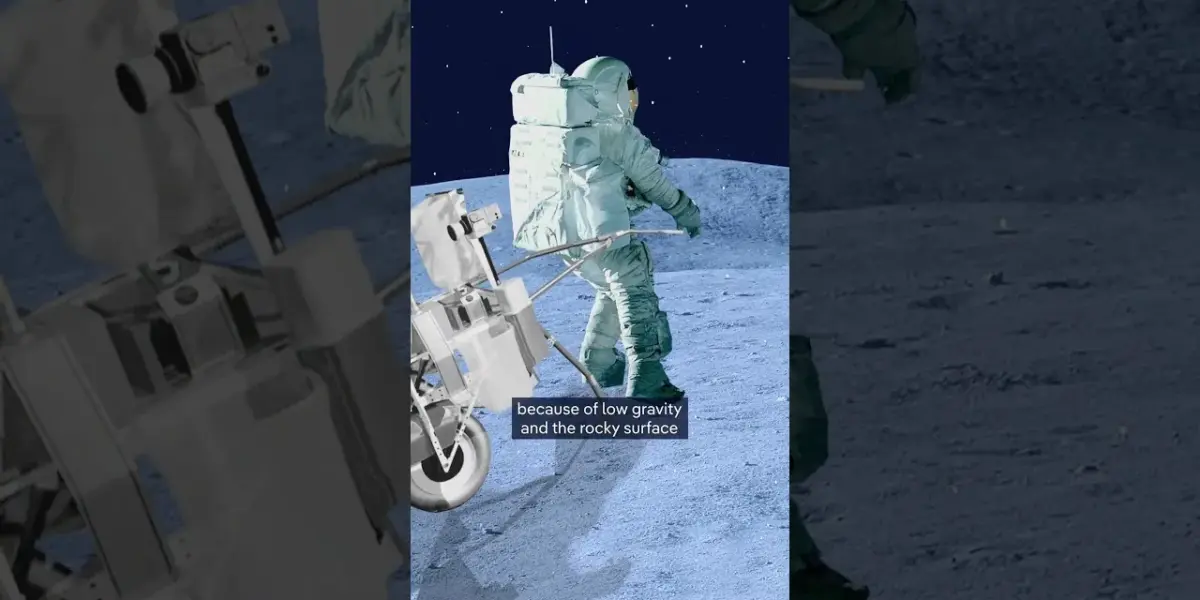
Walking uphill in heavy, stiff space suits presented a significant physical challenge. Each astronaut carried a bulky backpack, adding to the difficulty and altering their balance in the Moon’s low gravity.
Adding to the complexity, they were pulling a handcart filled with equipment. This cart was prone to tipping over on the uneven, rocky surface.
The constant struggle to maintain balance and forward momentum made the trek arduous. They were essentially navigating blindfolded, relying on a map that lacked the necessary detail for precise guidance.
Visibility and Navigation Challenges
A major obstacle was the astronauts’ perspective. From their vantage point, they could not see Cone Crater itself.
The crater’s shape and the surrounding lunar landscape hid it from view. Their navigation relied heavily on a simplified map, which proved insufficient for pinpointing their exact location relative to the crater’s rim.
This lack of clear visual confirmation and precise mapping created significant uncertainty. Mission control also had limited information to guide them effectively. The astronauts were making educated guesses about their position, trying to follow the map’s general directions.
Oxygen Depletion Forces a Decision
As the astronauts pushed onward, the ticking clock became a serious concern. Their oxygen supply was running lower than planned, a critical factor in any space mission. The physical exertion and the uncertainty of their location added to the pressure.
Faced with dwindling oxygen and the inability to confirm their proximity to the crater, Shepard and Mitchell made the difficult decision to turn back. They stopped at a large rock formation, believing they had reached the furthest practical point. Unbeknownst to them, the crater’s rim was only about 20 meters further ahead, a mere stone’s throw in lunar terms.
Discovery Years Later
The true distance to Cone Crater remained unknown for decades. It wasn’t until years later, with the advent of advanced technology, that the mission’s outcome became clearer. High-resolution images captured by NASA’s Lunar Reconnaissance Orbiter (LRO) provided a detailed, top-down view of the Apollo 14 landing site and the surrounding area.
These images allowed scientists to precisely map the astronauts’ traverse and compare it to the actual location of Cone Crater. The LRO data revealed the astonishing fact that Shepard and Mitchell had stopped just a short distance from their ultimate scientific prize. The visual evidence left no doubt: they were tantalizingly close to achieving their primary objective.
Broader Implications for Lunar Exploration
The Apollo 14 mission highlighted the immense challenges of human exploration on the Moon. Even with advanced technology for the time, factors like terrain, visibility, and navigation proved to be formidable hurdles. The experience provided valuable lessons for future lunar missions, emphasizing the need for more precise mapping and real-time positioning systems.
Understanding these limitations is crucial as humanity looks to return to the Moon. Future missions will benefit from improved navigation tools and a better understanding of the lunar surface. The story of Apollo 14’s near miss is a reminder of the complexities involved in venturing beyond Earth and the constant need for innovation in space exploration.
What’s Next for Lunar Exploration
The lessons learned from missions like Apollo 14 continue to inform current and future lunar endeavors. NASA’s Artemis program aims to establish a sustainable human presence on the Moon, requiring advanced navigation and landing capabilities. Future astronauts will have access to more sophisticated tools, including advanced mapping software and potentially even aerial reconnaissance drones, to overcome the challenges faced by their predecessors.
Source: Moonwalk: How Apollo astronauts missed their target by 20 meters | DW News (YouTube)

Related Articles

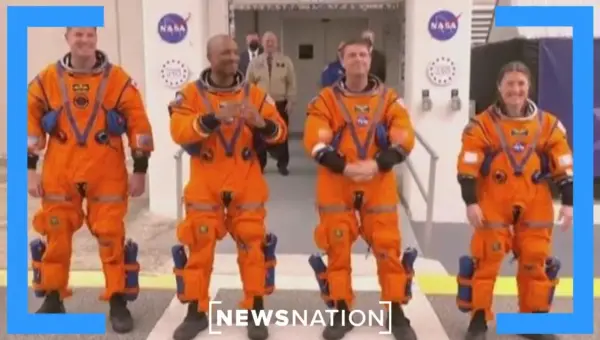
Artemis II Crew Blasts Off: A Giant Leap for Mars Dreams
The Artemis II mission has launched, sending four astronauts on a 10-day journey around the Moon. This historic flight is a critical test for future Mars exploration and aims to establish a long-term lunar presence. The crew, including the first African American and Canadian to orbit the Moon, faces challenges like extreme re-entry temperatures. Success here paves the way for landing humans on the Moon and eventually reaching Mars.

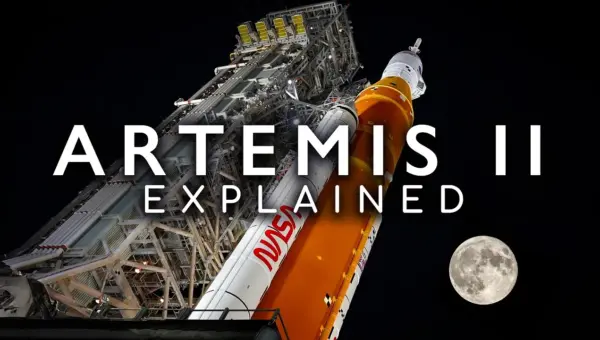
Artemis II Launch Delayed, Moon Landing Shifts to 2028
NASA's Artemis II mission, intended to send astronauts around the Moon, has been delayed to September 2025 due to technical issues with the SLS rocket. The program's first lunar landing, Artemis III, has been redefined as an Earth-orbit test, pushing the actual Moon landing to no earlier than 2026. Future missions targeting the lunar South Pole are now set for 2028.


Artemis II Astronauts Train for Risky Lunar Mission
The Artemis II crew is undergoing intensive training for their upcoming lunar fly-around mission. Astronauts are preparing for every possible scenario in space, a dangerous environment where system failures can occur. Ground crews will provide constant support, monitoring the spacecraft and communicating with the crew throughout the historic journey.