House Speaker Plans New DHS Funding Bill, Rejects Senate Deal
House Speaker Mike Johnson is proposing a new funding bill for the Department of Homeland Security, rejecting the Senate's current deal. The House aims to pass a "clean, simple, continuing resolution" to fund DHS agencies until May 22nd. This move seeks to ensure essential services continue without being tied to contentious policy debates.

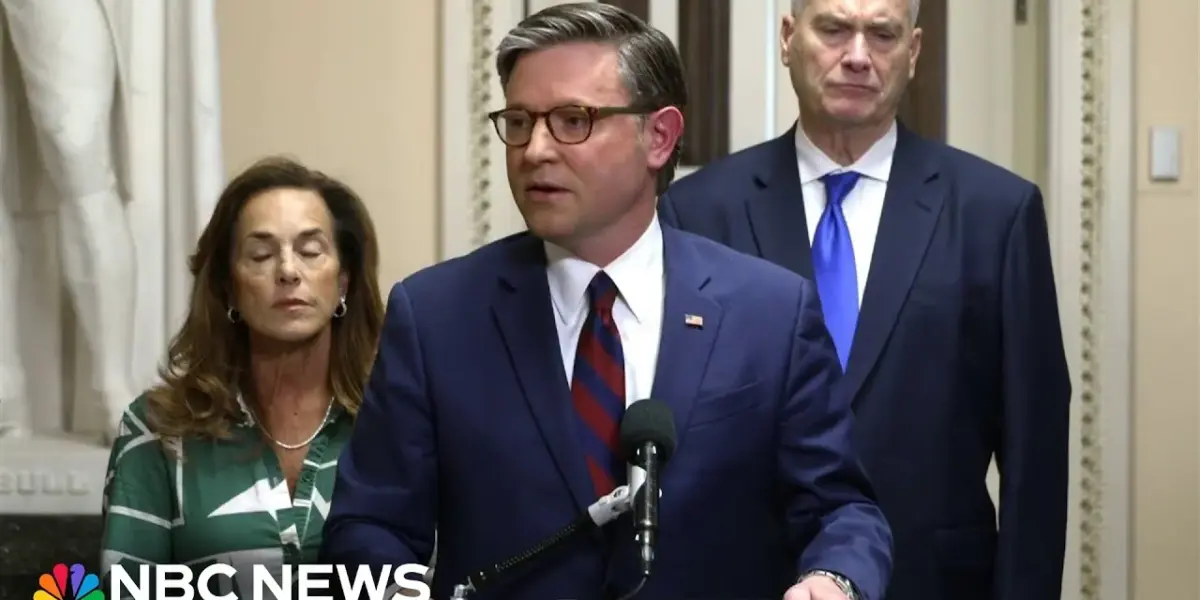
House Speaker Proposes Separate DHS Funding Bill
House Speaker Mike Johnson announced a new plan to fund the Department of Homeland Security (DHS), bypassing a deal previously reached in the Senate. The Speaker stated that the House will pass its own, simpler bill.
This new bill aims to keep the government running without controversial additions. It will extend current funding levels for the department and its agencies until May 22nd.
The decision comes after disagreements over how to handle border security measures. Speaker Johnson explained that the House cannot accept the Senate’s current proposal.
He believes it risks not properly funding critical safety agencies. “We’re not going to risk not funding the agencies that keep the American people safe,” Johnson stated.
Key Features of the House Proposal
The proposed legislation is described as a “clean, simple, continuing resolution.” This means it will extend existing funding without adding new policies or significant changes. The extension period is for several weeks, specifically until May 22nd. This timeframe is intended to provide enough time for further negotiations or to pass a more comprehensive funding package later.
This approach aims to ensure that all ten agencies within the Department of Homeland Security continue to operate at their current funding levels. These agencies include vital services like the Transportation Security Administration (TSA) and the Federal Emergency Management Agency (FEMA).
The Coast Guard is also part of this department and relies on consistent funding. Speaker Johnson emphasized that protecting these services is a primary duty of Congress.
Why the Senate Deal Was Rejected
Speaker Johnson strongly criticized the Senate’s proposal, calling it “ridiculousness.” He did not detail specific objections but made it clear that the House leadership would not agree to it. The core issue appears to be the inclusion of policy riders or other measures that the House Republicans found unacceptable.
By proposing a separate bill, the House aims to isolate the funding issue from broader political debates. This strategy seeks to avoid a government shutdown while still allowing House members to reject the Senate’s terms.
Johnson expressed hope that the Senate would quickly approve the House’s simpler bill. He suggested it could be passed in “record time” with unanimous consent, possibly as early as Monday.
Protecting Essential Services
The Department of Homeland Security is a massive organization, described as the third-largest department in the federal government. It oversees a wide array of agencies responsible for national security and public safety.
These include not only the TSA, which manages airport security and reduces passenger wait times, but also FEMA, which coordinates disaster relief. The Coast Guard’s role in maritime security and search and rescue is also critical.
Johnson stressed that ensuring these agencies are funded is non-negotiable. “This is not a game,” he declared, highlighting the seriousness of the situation.
He urged Democrats, both in the House and Senate, to support the clean funding bill. The goal is to prevent any disruption to the services these agencies provide to the American public.
Broader Context: Government Funding and Politics
Government funding bills often become battlegrounds for political disagreements. Congress must pass legislation to fund federal agencies, or they face a shutdown.
These shutdowns can disrupt services, furlough federal employees, and create economic uncertainty. Lawmakers frequently attach policy proposals, known as riders, to these essential funding bills.
In this instance, the Senate’s approach likely involved attaching border security policy changes to the DHS funding bill. House Republicans, particularly conservatives, have been pushing for stricter border enforcement measures.
However, the Senate’s proposed solutions may not have met their demands. Speaker Johnson’s move suggests a strategy to fund critical agencies while deferring contentious policy debates.
Looking Ahead
The House’s proposed clean continuing resolution now heads to the Senate for consideration. The Senate’s reaction will determine the next steps.
If they accept the House bill, essential DHS services will be funded through May 22nd. If they reject it, lawmakers will face renewed pressure to find a compromise or risk a partial government shutdown.
The coming days will be crucial in seeing if this bipartisan effort to separate funding from policy can succeed. The focus remains on ensuring the uninterrupted operation of agencies vital to American safety and security.
Source: 'This is not a game': Speaker Johnson to propose alternative to Senate DHS funding deal (YouTube)

Related Articles

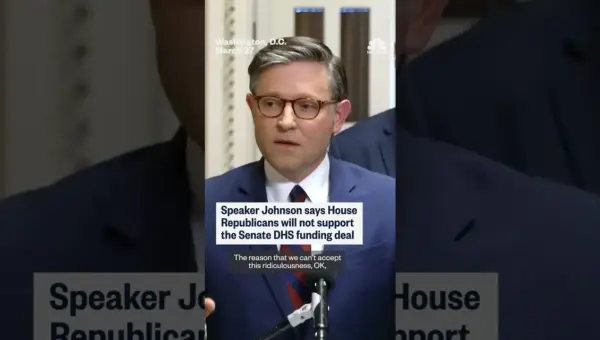
Johnson Rejects Senate DHS Funding, Pushes Clean Resolution
House Speaker Mike Johnson announced that House Republicans will reject the Senate's proposed Department of Homeland Security funding deal. Instead, the House will pursue a clean continuing resolution to extend current funding levels for critical security agencies until May 22nd. This move aims to ensure uninterrupted operations for 10 DHS agencies.


Congress Funds DHS, Iran Tensions Rise, Farmer Aid Looms
Congress has reached a deal to fund the Department of Homeland Security, though ICE funding remains separate. Meanwhile, escalating tensions with Iran see Israel intensifying strikes, while the U.S. faces farmer aid and anti-fraud task force initiatives. Concerns also rise over Chinese influence on U.S. campuses.


Trump Signs Order to Pay TSA Agents Amid Shutdown
President Donald Trump has announced an executive order to immediately pay TSA agents, who have been working without pay due to the ongoing government shutdown. In parallel, former Venezuelan leader Nicolás Maduro appeared in federal court facing multiple charges including narco-terrorism conspiracy.