Albania Erupts: Protesters Battle Police in Tirana Chaos
Albania's capital, Tirana, was gripped by violent anti-government protests as opposition supporters clashed with police. The demonstrators resorted to throwing fireworks and Molotov cocktails, escalating the conflict. This eruption highlights deep-seated public discontent and raises questions about political stability.

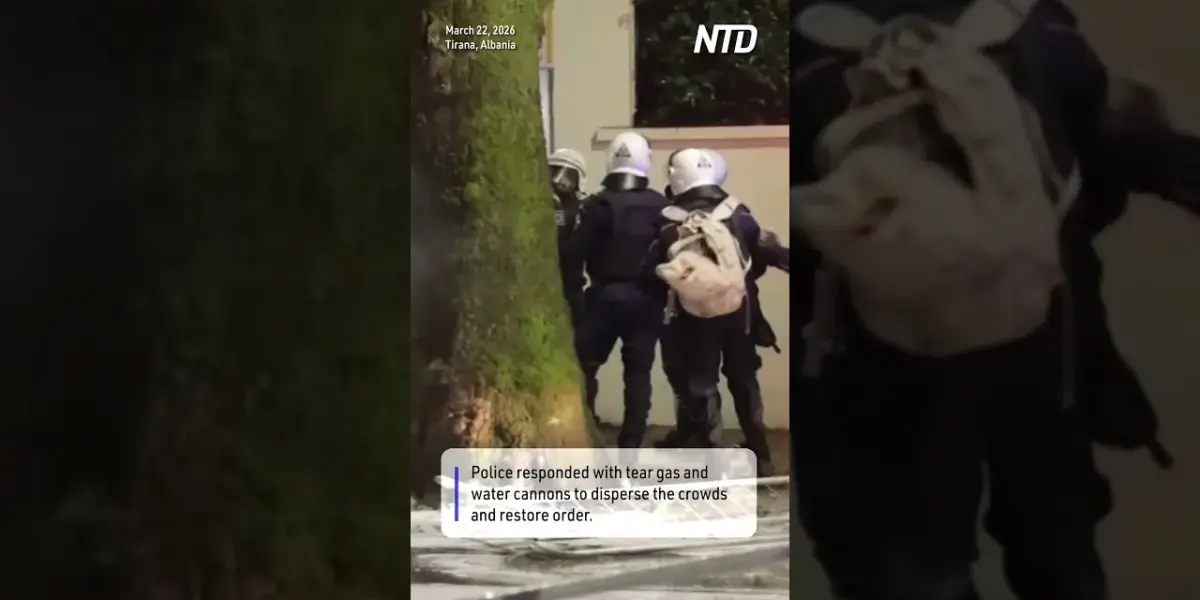
Albania Erupts: Protesters Battle Police in Tirana Chaos
Albania’s capital city, Tirana, became a scene of intense conflict on Sunday. Opposition supporters took to the streets for anti-government protests, and the situation quickly escalated. Protesters clashed violently with police forces, marking a serious moment of unrest in the country.
The demonstrations turned chaotic as participants began throwing fireworks and Molotov cocktails at law enforcement officers. This aggressive action by some protesters highlighted the deep anger and frustration felt by a segment of the Albanian population. The police responded to the escalating violence, leading to a direct confrontation in the heart of the city.
Roots of the Unrest
While the immediate cause of Sunday’s clashes may be tied to specific grievances, the underlying issues fueling such strong public opposition are often complex and long-standing. Protests in many countries can stem from a variety of concerns, including economic hardship, perceived corruption, or a lack of political representation. These factors can build up over time, leading to a boiling point where citizens feel compelled to express their discontent through public demonstrations.
Albania, like many nations transitioning through different political and economic phases, has faced its share of challenges. Historical context is crucial to understanding the current climate.
Following decades of communist rule that ended in the early 1990s, Albania has worked to establish democratic institutions and a market economy. This transition has not always been smooth, with periods of political instability and economic difficulty impacting citizens.
Escalation and Response
The use of fireworks and Molotov cocktails indicates a significant level of anger and a willingness by some to engage in destructive acts. These are not typical protest actions and suggest a breakdown in peaceful dialogue. Such tactics can provoke strong responses from authorities, aiming to restore order and prevent further damage or injury.
The events in Tirana reflect a pattern seen in various parts of the world where public dissatisfaction spills over into the streets. When people feel their voices are not being heard through official channels, they may resort to more drastic measures to draw attention to their cause. This can create a dangerous cycle, with increased confrontation leading to further division.
Why This Matters
The clashes in Albania are more than just a local incident; they are a signal of deeper societal issues. When citizens resort to violence against state representatives, it points to a breakdown in trust and communication between the government and the people. This lack of faith can have significant consequences for the stability and progress of a nation.
Such events can deter foreign investment, impact tourism, and create an atmosphere of uncertainty. For the citizens involved, it means a disruption to daily life and potential risks to their safety. It also raises questions about the methods used by both protesters and law enforcement to manage dissent and maintain public order.
Implications and Future Outlook
The immediate aftermath of such violent protests often involves increased security measures and political maneuvering. The government will likely face pressure to address the concerns that led to the demonstrations, while also needing to assert its authority. Opposition groups may use the events to gain further traction, or they may face a backlash depending on public perception of their tactics.
Looking ahead, the situation in Albania will depend on how its leaders and citizens choose to respond. Will there be an effort to de-escalate tensions and open channels for dialogue?
Or will the cycle of protest and confrontation continue? The path forward requires careful consideration of the underlying causes of discontent and a commitment to finding peaceful resolutions.
The events of Sunday serve as a clear reminder that political stability is not guaranteed. It is built on a foundation of responsive governance, economic opportunity, and the ability for citizens to voice their concerns without resorting to violence. The coming weeks and months will be critical in determining the direction Albania takes following this period of unrest.
Source: Clashes Break Out in Albania’s Capital as Opposition Supporters Protest (YouTube)

Related Articles

Trump’s $3 Gas Promise Fades as Reality Sets In
President Trump's promise of $3 a gallon gas is facing delays and shifting timelines. As international tensions and market realities set in, the administration is tempering expectations, raising questions about political messaging and economic control.


White House Ignores Crises for Trump’s 80th Birthday Bash
The White House's social media team focused on promoting Donald Trump's 80th birthday party instead of addressing failed US-Iran talks and rising prices. This decision raises questions about the administration's priorities and its use of government platforms.


Vance Defends Trump: Epstein Friendship Claim Is A Hoax
Senator JD Vance asserts that claims of Donald Trump being close friends with Jeffrey Epstein are a "hoax." Vance cited emails suggesting a mutual dislike and even Trump reporting Epstein to authorities, arguing this refutes the "best friend" narrative pushed by Democrats.