Germany Rushes Online Abuse Laws After Actress’s Deepfake Horror
Actress Coline Fernandez's accusation of decade-long deepfake abuse by her ex-husband has spurred Germany to accelerate legal reforms. The proposed laws aim to outlaw non-consensual sexualized images, including AI deepfakes, and increase penalties for offenders. Public protests demand faster, more effective protection for victims of online sexualized violence.

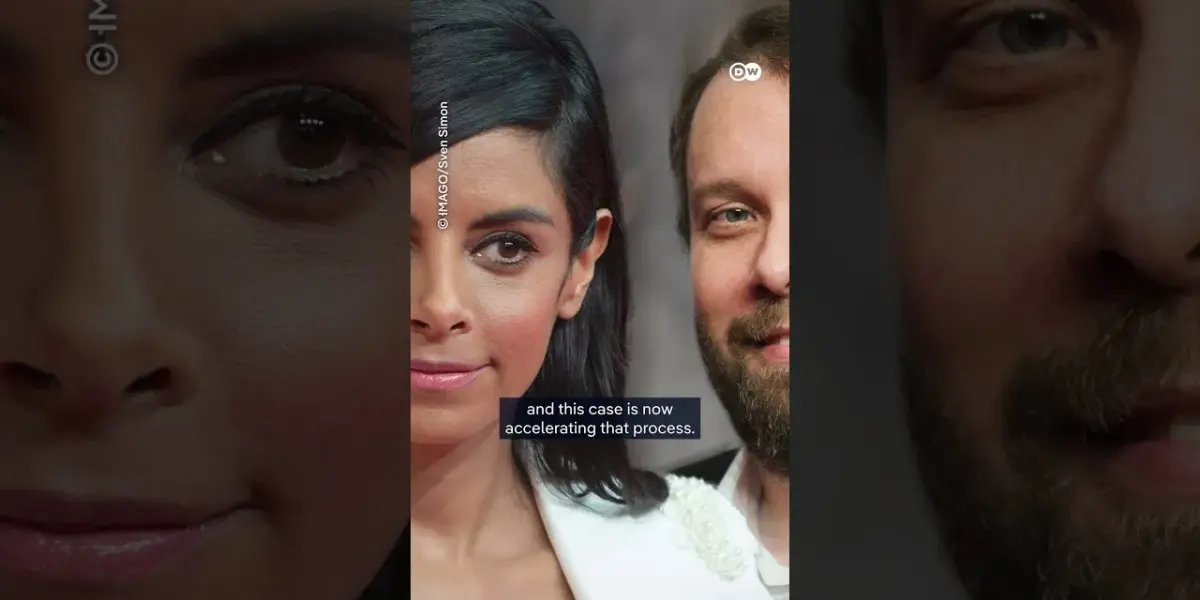
Germany Accelerates Online Abuse Laws After Deepfake Scandal
Shock and outrage have swept through Germany following the harrowing case of actress Coline Fernandez. She has accused her ex-husband of spreading sexually explicit deepfakes of her for over a decade.
This deeply personal ordeal has ignited a national debate about how Germany safeguards victims of online sexualized violence. The incident is now pushing lawmakers to speed up much-needed legal reforms.
The actress’s experience has brought a stark reality to light for many. She expressed her anger and frustration, stating, “We are angry. It simply can’t go on.
It must stop. Something urgently needs to happen. I want women to be better protected.” Her words echo the sentiments of countless individuals who feel unprotected against the growing threat of digital abuse.
Proposed Reforms Target Online Harassment
Germany’s Minister of Justice, Stefanie Hubich, has announced plans for significant legal reform. The goal is clear: offenders should no longer feel safe.
Instead, they must expect to be identified and face effective prosecution. This proactive stance signals a stronger commitment to holding perpetrators accountable for their actions online.
A draft bill, reported by the German media outlet Der Spiegel, outlines key measures. These include making the creation and distribution of non-consensual sexualized images illegal.
This explicitly covers AI-generated deepfakes, a rapidly advancing technology that poses new challenges. The proposed laws also aim for faster blocking of harmful online accounts and introduce prison sentences of up to two years for offenders.
Public Demands Urgent Action
Protests have erupted across Germany, with citizens demanding immediate and meaningful change. Demonstrators voiced their frustration, with one protester asking, “What exactly makes you angry? That it’s always women, that we are the victims, that we are still never heard, that we are not believed.” This highlights a pervasive feeling among victims that their experiences are often dismissed or not taken seriously.
The emotional toll of such abuse is immense. Many women share similar experiences. “Pretty much all of my friends have had some experience in some direction with men,” one woman shared.
As a mother of a son, she expressed a deep desire for a more progressive future. She hopes for a future that embraces a more advanced and respectful view of women.
The Growing Threat of Deepfakes
Deepfakes, which use artificial intelligence to create realistic but fake images or videos, present a significant challenge. They can be used to put words into someone’s mouth or place them in compromising situations without their consent. For victims like Coline Fernandez, these fabricated images can cause immense emotional distress and reputational damage, often lasting for years.
The technology behind deepfakes is becoming more accessible and sophisticated. This makes it easier for malicious actors to create and distribute harmful content.
The proposed German laws aim to address this by specifically outlawing such non-consensual sexualized imagery. This is a crucial step in adapting legal frameworks to the realities of modern technology.
A Call for Better Protection
The current legal situation in Germany, like in many countries, has struggled to keep pace with the rapid evolution of digital abuse. While laws against online harassment exist, they are often difficult to enforce, especially when perpetrators are anonymous or located in different jurisdictions. The Fernandez case has shown the limitations of existing protections.
Advocates argue that stronger laws are needed to deter offenders and provide victims with quicker recourse. Faster takedown procedures for harmful content and clearer legal pathways for prosecution are essential. The proposed reforms seek to provide these much-needed improvements, offering a glimmer of hope for victims.
What’s Next for Online Safety Laws
The German government’s commitment to reform is a significant development. The proposed legislation is expected to move through the legislative process swiftly, driven by public outcry and the urgency of the situation. The coming months will be critical in determining the final shape of these new laws and how effectively they will protect individuals from digital sexualized abuse.
The successful implementation of these reforms could set a precedent for other nations grappling with similar issues. Germany’s actions signal a strong intent to combat online harms and ensure that victims receive the justice and protection they deserve. The focus now shifts to the legislative bodies to enact these vital changes.
Source: How does Germany protect victims of digital sexualized abuse? | DW News (YouTube)

Related Articles


AI Fuels Russian Disinformation Campaigns
Artificial intelligence is making it easier for Russia to create and spread fake videos online. These AI-generated videos can quickly go viral, making it hard to tell what is real. This technology is a new tool in Russia's long-standing strategy of using disinformation in warfare.

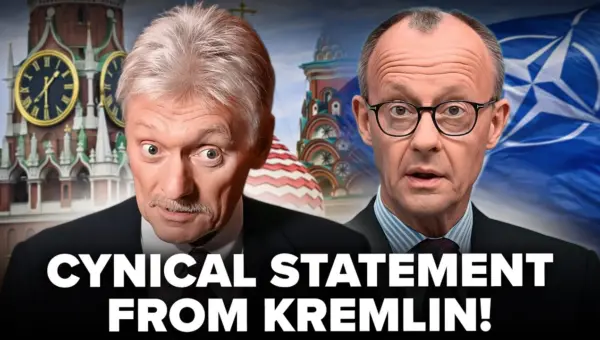
Germany, Ukraine Deepen Defense Ties, Boost Air Power
Ukraine and Germany have signed a major defense pact, boosting air defense systems and joint drone production. This strategic partnership aims to enhance European security amidst ongoing Russian strikes on Ukrainian cities. Diplomatic talks continue between Russia and China, while the U.S. reports progress in Iran negotiations.
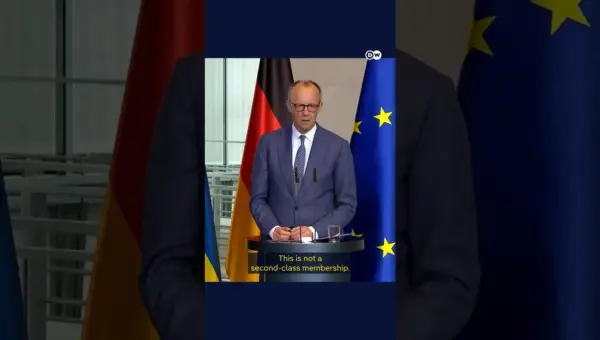
Germany Taps Ukraine Drone Tech in New Military Pact
Germany and Ukraine have signed a new strategic partnership focused on joint drone production and military system development. The agreement aims to bolster Ukraine's defense capabilities and integrate its battlefield-tested expertise into European security efforts.