Democrats Face Voter ID Vote Dilemma
Ten Democratic lawmakers are facing a crucial vote on voter identification laws. The debate centers on requiring proof of citizenship and real IDs for voting and mail-in ballots. This issue highlights the ongoing tension between election security and voter access.

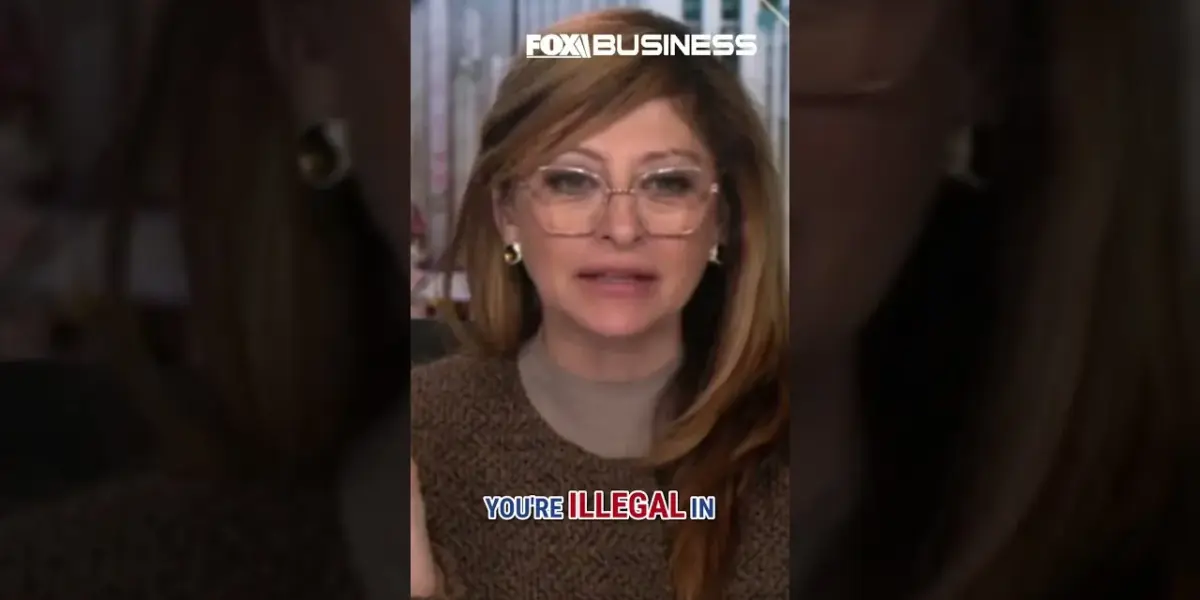
Democrats Divided on Voter ID Laws
A key vote looms in Congress over voter identification requirements, leaving ten Democratic lawmakers in a difficult position. The central issue is whether to support some form of voter ID laws, a measure that has historically divided the two major parties. This debate centers on ensuring election integrity while also addressing concerns about voter access.
The core of the disagreement revolves around what constitutes acceptable identification for voting. Some propose requiring proof of citizenship to register and then a valid ID when casting a ballot. This approach aims to create a clear process from start to finish for every voter.
The Voter ID Debate Explained
Voter ID laws generally require voters to present some form of identification before they can cast a ballot. Proponents argue these laws help prevent voter fraud and increase public confidence in election results. They believe that requiring an ID is a common-sense step, similar to showing identification for many other activities.
Opponents, however, worry that strict ID requirements can disproportionately affect certain groups of voters. These can include younger people, the elderly, low-income individuals, and minority groups, who may have more difficulty obtaining the required forms of identification. They argue such laws can act as a barrier to voting rather than a safeguard.
Mail-in Ballots and Identification
The discussion also extends to mail-in ballots, especially following their increased use in recent elections. There is a push to ensure that mail-in ballots also require some form of real identification to maintain security. This aspect of the debate highlights the desire for consistent security measures across all voting methods.
The principle of “trust, but verify” is often cited by supporters of voter ID. They believe that while the electoral system should be trusted, reasonable verification steps are necessary. This approach seeks to balance the need for secure elections with the fundamental right to vote.
Potential Political Fallout
The ten Democratic lawmakers face pressure from both sides of the aisle. Voting for stricter voter ID laws could alienate some within their own party and voter advocacy groups. Conversely, voting against such measures might lead to criticism from those concerned about election security.
This situation presents a significant challenge for the Democratic party leadership. They must find a way to navigate these differing viewpoints within their caucus. The outcome of this vote could have implications for future election laws and voter access across the country.
Market Impact
While this is primarily a political and legislative issue, significant changes to voting laws can indirectly influence market sentiment. Increased confidence in election outcomes can contribute to overall economic stability. Conversely, prolonged political uncertainty or disputes over election integrity could create headwinds for markets.
Specific sectors are unlikely to be directly impacted unless legislation leads to broad changes in consumer behavior or regulatory environments. However, the broader implications for democratic processes and governance can affect investor confidence in the long term. Stability and predictability are key factors that markets generally favor.
What Investors Should Know
Investors should view this as a developing political story with potential, albeit indirect, long-term implications for market stability. The focus on election integrity is a recurring theme that can influence policy debates. Understanding the different perspectives on voter ID laws is crucial for grasping the broader political landscape.
The outcome will likely depend on the ability of lawmakers to find common ground. It highlights the ongoing tension between security and access in democratic processes. Keep an eye on legislative developments as they could signal shifts in political priorities.
Source: Voter ID DEMANDS: Democrats face a BIG dilemma #shorts (YouTube)

Related Articles
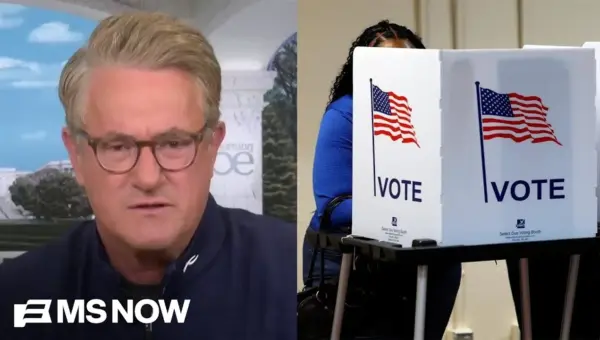
Joe Scarborough Slams GOP’s SAVE Act as Voting Obstacle
Joe Scarborough has fiercely criticized the Republican-backed SAVE Act, labeling it a manufactured crisis designed to suppress votes. He argues the bill creates unnecessary hurdles for eligible voters rather than addressing real election security concerns. The legislation has ignited a debate over voter ID laws and their potential impact on democratic participation.


Dean Withers Calls Trump’s SAVE Act “Ludicrous” for Voters
TikTok commentator Dean Withers described former President Trump's SAVE Act as "ludicrous," arguing it demands proof of citizenship, not just ID, creating barriers for voters. The proposed law could disproportionately affect certain groups and potentially suppress turnout ahead of the midterm elections.


Trump’s Core Voters Flee: A Stunning Political Reversal
Donald Trump's support among white, non-college-educated voters has dramatically fallen from a 36-point lead to a negative 4-point rating. This marks an unprecedented situation where he is reportedly underwater with every demographic group.