Joe Scarborough Slams GOP’s SAVE Act as Voting Obstacle
Joe Scarborough has fiercely criticized the Republican-backed SAVE Act, labeling it a manufactured crisis designed to suppress votes. He argues the bill creates unnecessary hurdles for eligible voters rather than addressing real election security concerns. The legislation has ignited a debate over voter ID laws and their potential impact on democratic participation.

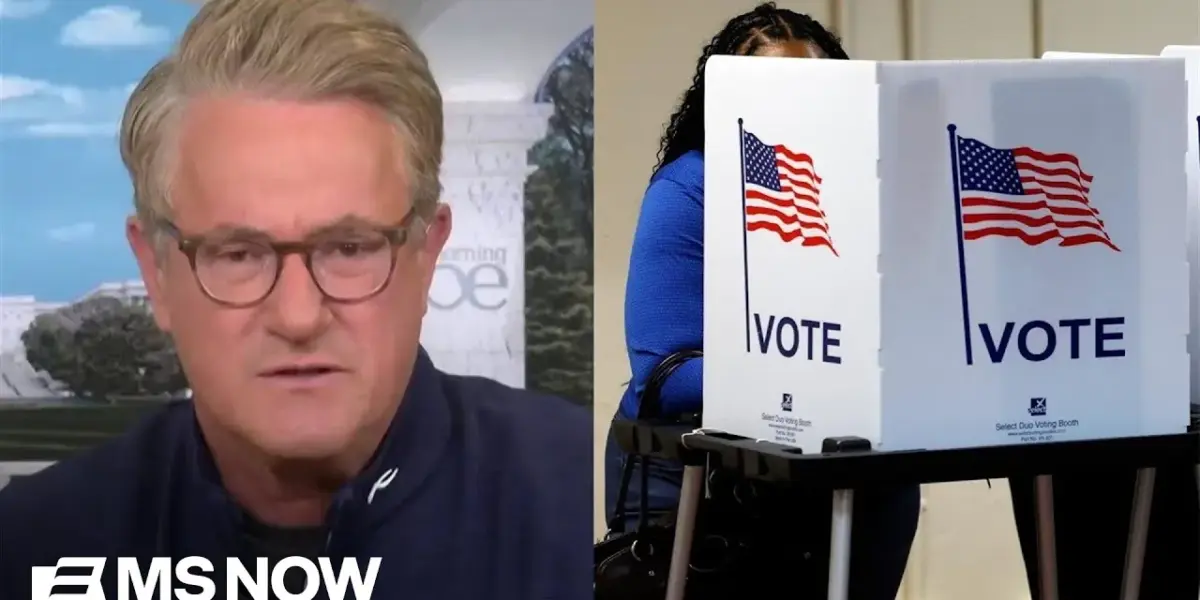
Scarborough Denounces SAVE Act as Manufactured Crisis
Talk show host Joe Scarborough strongly criticized the Republican party’s proposed SAVE Act, calling it a politically motivated attempt to create a problem that doesn’t exist. He argued on his show that the legislation is designed to make it harder for certain groups of people to vote, rather than address any genuine issues with election integrity.
“This is a political party creating a crisis that does not exist,” Scarborough stated, directly addressing the core of his criticism. He believes the bill’s true intention is to suppress voter turnout, particularly among demographics that tend to vote for Democratic candidates. This accusation places the SAVE Act at the center of a heated debate about voting rights and election security.
What is the SAVE Act?
The SAVE Act, or Secure Access for Every Vote Act, is presented by its Republican proponents as a measure to enhance election security and prevent fraud. Supporters claim it aims to standardize voter identification requirements and streamline the voting process. They argue these changes are necessary to restore public confidence in election outcomes.
However, critics like Scarborough see a different purpose. They contend that the proposed identification requirements are overly burdensome and would disproportionately affect minority voters, young people, and the elderly. These groups may face greater challenges in obtaining the specific forms of identification the act would mandate, effectively creating barriers to participation.
Concerns Over Voter ID Laws
The debate over voter ID laws is a long-standing issue in American politics. Proponents argue that requiring photo identification at the polls is a common-sense measure akin to showing ID to board a plane or buy alcohol. They believe it helps ensure that only eligible citizens cast ballots and reduces the risk of impersonation fraud.
Opponents, on the other hand, point to a lack of widespread evidence of voter impersonation fraud. They argue that the real impact of strict voter ID laws is disenfranchisement.
Many eligible voters, particularly those in rural areas or with limited resources, may not possess the required forms of identification. The process of obtaining these IDs can be costly and time-consuming, acting as a de facto poll tax.
Broader Implications for Democracy
Scarborough’s strong condemnation highlights the broader implications of such legislation for the health of American democracy. If laws are perceived as intentionally making it harder for citizens to exercise their right to vote, it can erode trust in the electoral process. This erosion of trust can lead to decreased civic engagement and political polarization.
The framing of the SAVE Act as a manufactured crisis by Scarborough suggests a deep division in how election security and voting access are viewed. One side emphasizes the need for stringent controls to prevent potential fraud, while the other prioritizes ensuring that all eligible citizens can easily cast their vote without undue obstacles.
The Political Divide on Election Integrity
The conflict over the SAVE Act reflects a larger partisan battle over election integrity. Republicans often express concerns about voter fraud and advocate for stricter voting rules.
Democrats, conversely, tend to focus on expanding voting access and combating voter suppression. This fundamental difference in priorities shapes the legislative proposals put forth by each party.
MS NOW, as a source for news and opinion, presents this debate as a critical issue for voters to consider. The platform aims to provide context for such political clashes, encouraging viewers to understand the arguments from all sides. The discussion around the SAVE Act is thus part of a larger conversation about the future of voting in the United States.
Looking Ahead
The fate of the SAVE Act and similar legislation will depend on ongoing political negotiations and public opinion. As the next election cycle approaches, debates over voting access and election security are likely to intensify. Voters will be watching closely to see how these issues are addressed and what impact they have on their ability to participate in the democratic process.
Source: Joe: 'they want to stop you from voting!' (YouTube)

Related Articles

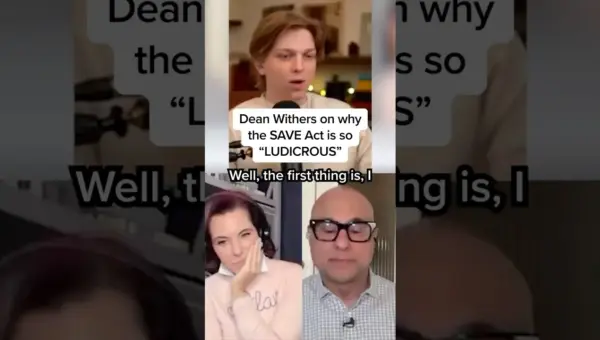
Dean Withers Calls Trump’s SAVE Act “Ludicrous” for Voters
TikTok commentator Dean Withers described former President Trump's SAVE Act as "ludicrous," arguing it demands proof of citizenship, not just ID, creating barriers for voters. The proposed law could disproportionately affect certain groups and potentially suppress turnout ahead of the midterm elections.
Trump Faces Lawsuit Over Election Integrity Unit
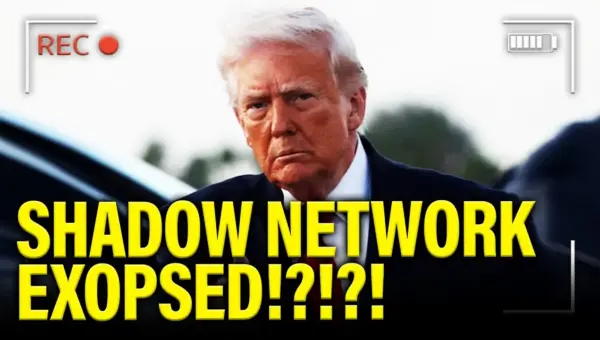
A new lawsuit targets a Trump-era group called 'Team America,' accused of undermining voting rights. Reporting reveals election deniers in key government roles, while legal action seeks transparency on their connections and actions.

Trump’s Unpredictable Style Shakes Even Loyal Supporters
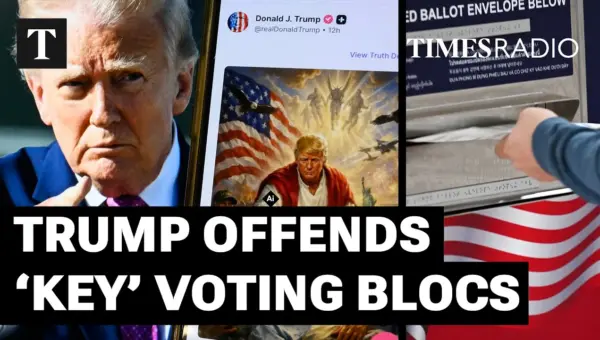
Donald Trump's unpredictable communication style, marked by controversial AI images and sharp criticisms, is unsettling even his staunchest supporters. This erratic behavior creates instability in the political environment, raising questions about its impact on upcoming elections and potential checks on his power.