Iran’s Military Hit Hard, Analysts Debate Threat Level
Devastating strikes have crippled Iran's missile production and stockpiles, but a debate continues over the country's immediate threat level. Israel is intensifying targeted operations against Iranian leaders, while economic warfare targeting oil exports, like at Kharg Island, is being considered.

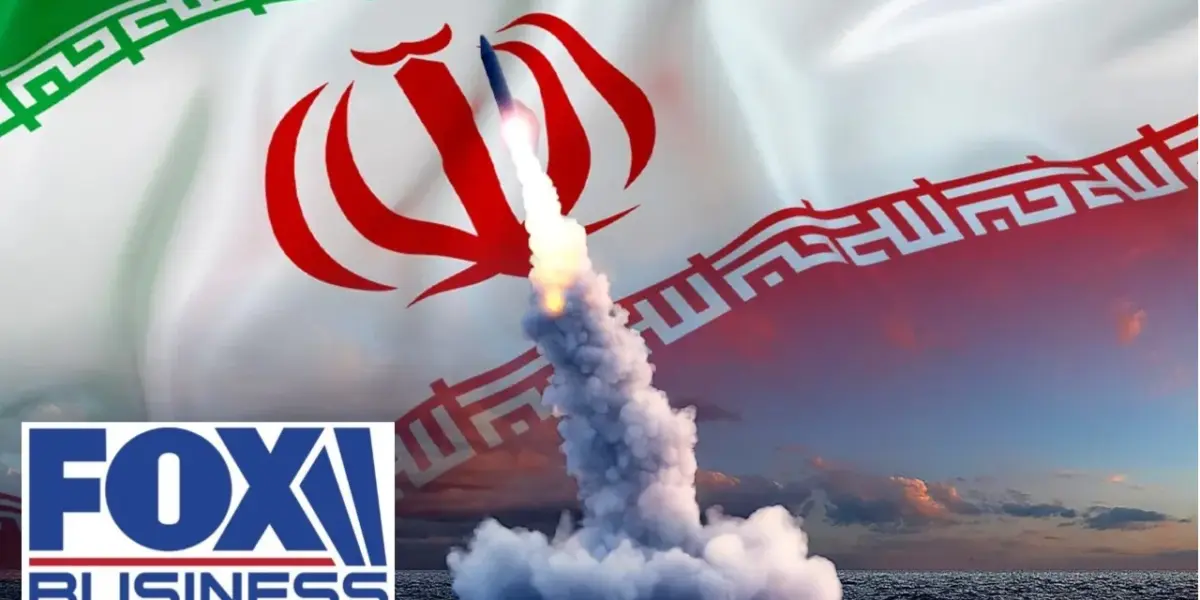
Massive Strikes Cripple Iran’s Missile Power
Recent devastating strikes have significantly damaged Iran’s missile production facilities, stockpiles, and launch capabilities. This aggressive action, described by some as a “total decapitation” of Iran’s military infrastructure, aims to dismantle the country’s ability to develop and deploy advanced weaponry.
These assessments are crucial as intelligence previously suggested Iran could develop viable Intercontinental Ballistic Missiles (ICBMs) by 2035 if it pursued that path. The full impact of these operations on Iran’s military capacity will be determined in the coming weeks and months.
Conflicting Views on Iran’s Threat
Amidst these military actions, a debate has emerged regarding the immediate threat posed by Iran. The head of the National Counterterrorism Center recently resigned, stating Iran did not represent an imminent threat to the United States.
However, intelligence reports and veteran perspectives suggest a different reality. These viewpoints indicate that Iran continues its nuclear ambitions and its desire to build ballistic missiles capable of reaching American troops and allies in the Middle East. This creates a clear disagreement on the current danger Iran presents.
A Veteran’s Perspective on the Threat
U.S. Navy SEAL veteran Mike, speaking on the matter, expressed his disagreement with the assessment that Iran is not an imminent threat. He stated that Iran has been an existential threat for over 47 years, citing the loss of American lives as evidence.
Mike believes that even if one disagrees with the reasons for military action, a commander should not abandon their troops. He suggested that the recent resignation created a media sensation, but the underlying issues with Iran’s actions remain significant.
Israel’s Targeted Operations
Israel has also intensified its actions, vowing to continue targeting Iran’s regime and leaders. Reports indicate Israel has eliminated top intelligence ministers and security chiefs in recent days.
This strategy appears to be a direct effort to dismantle Iran’s leadership and internal security apparatus. The goal is to pressure the regime and potentially force its collapse.
Economic Warfare: Targeting Oil Exports
Beyond direct military strikes, there is discussion about targeting Iran’s economic lifelines. Some, like Senator Lindsey Graham, have suggested targeting Iran’s oil export hub as a decisive move to end the conflict.
Iran relies heavily on oil and gas exports for about 90% of its revenue. Taking aim at this source could cripple its economy and its ability to fund its military and regional activities.
Kharg Island: The ‘Cash Register’
Kharg Island, a major oil export terminal, has been identified as a key target for economic warfare. Its strategic importance lies in its role as Iran’s primary oil export hub.
By disrupting operations at Kharg Island, the aim is to cut off approximately 90% of Iran’s oil exports. This move is seen as a logical next step in the campaign to weaken the Iranian regime financially and militarily.
Market Impact
The ongoing conflict and significant military actions against Iran’s infrastructure could lead to increased volatility in global energy markets. Disruptions to oil exports from Iran, or the Strait of Hormuz, could impact crude oil prices, potentially leading to higher prices for consumers worldwide.
Investors in the energy sector may see fluctuations as the situation develops. Geopolitical tensions often create uncertainty, which can affect stock prices and commodity markets. Defense contractors could potentially see increased interest due to heightened global security concerns.
What Investors Should Know
Investors should monitor developments in the Middle East closely. Understanding the potential impact on oil supply and prices is crucial, especially for those invested in energy stocks or related industries. The focus on Iran’s missile capabilities and nuclear ambitions also highlights ongoing geopolitical risks that can influence broader market sentiment.
The economic warfare aspect, particularly targeting oil exports, could have significant ripple effects. Investors should consider how these actions might affect global trade and economic stability. Keeping informed about intelligence assessments and official statements from governments involved will be key to navigating this complex situation.
Looking Ahead
The effectiveness of the strikes on Iran’s military infrastructure and the potential economic measures will be critical in shaping future events. The ongoing debate about Iran’s threat level will continue to influence policy decisions.
Focus will remain on Iran’s response, its ability to rebuild its military capabilities, and the international community’s next steps. The situation highlights the complex interplay between military action, economic pressure, and geopolitical stability.
Source: ‘TOTAL DECAPITATION’: Ex-Navy SEAL details destruction of Iran’s military (YouTube)

Related Articles


Fed Holds Rates Steady Amid Global Uncertainty, Inflation Fears
The Federal Reserve announced today it is holding interest rates steady for the second consecutive meeting. This decision comes amid rising global uncertainty, particularly due to the war in the Middle East and its impact on oil prices. The Fed also raised its inflation forecast, indicating expectations of higher consumer prices.


North Korea Eyes Iran Attack: A Nuclear Deterrent Boost
An attack on Iran may be reinforcing North Korea's belief that nuclear weapons are essential for its survival. The perceived failure of allies to fully support Iran, combined with South Korea's preemptive strike capabilities, strengthens Pyongyang's resolve to maintain its arsenal. This highlights the challenges in future denuclearization efforts.


Israel Strikes Key Iran Leaders, Boosts Regional Security
Israel has eliminated key Iranian militant leaders, including Lar Johnny, a potential successor to the Ayatollah, and Solommani, head of the repressive Beiji militia. The operation, based on extensive intelligence, also killed hundreds of militia members. This significant strike aims to disrupt militant operations and enhance regional security.