Trump May Allow Chinese Ships Through Strait of Hormuz
Former Trump official Elliot Abrams suggests President Trump may allow Chinese ships through the Strait of Hormuz. This comes as the U.S. naval blockade of Iran's ports faces questions about its effectiveness and evolving strategy. Potential U.S.-Iran negotiations are also on the horizon, focusing on Iran's nuclear program.

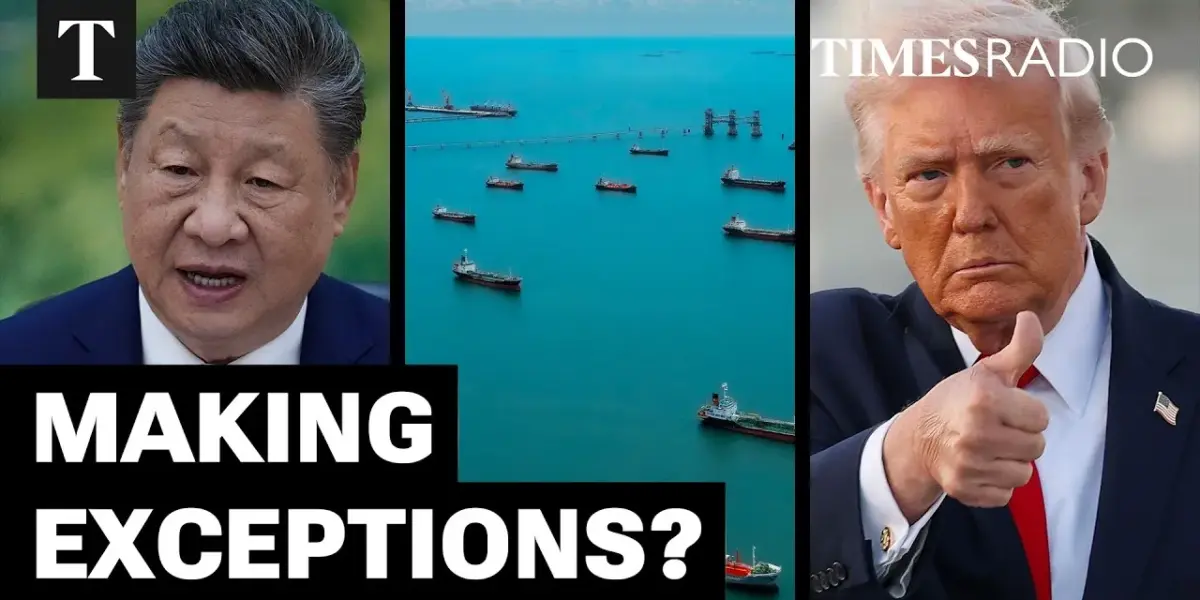
Trump Administration Considers Allowing Chinese Ships Through Strait of Hormuz Amidst Shifting Blockade Plans
In a significant development concerning international maritime traffic and U.S.-Iran relations, former Trump administration official Elliot Abrams suggested that President Trump might be open to allowing Chinese vessels passage through the Strait of Hormuz. This comes as the U.S. Implements a naval blockade aimed at Iran’s ports, a strategy that appears to be evolving from its initial conception.
Conflicting Reports on Naval Blockade Effectiveness
Abrams, who served as the former Special Representative to Iran and Deputy National Security Advisor under President Trump, expressed confusion regarding the current state of the naval blockade. “It is not clear to me that the blockade is even fully in effect,” Abrams stated.
He noted conflicting reports, with some suggesting that a dozen ships may have passed through, including potentially Chinese vessels. The initial idea behind the blockade was to prevent Iran from using the Strait of Hormuz for its own imports and exports while denying passage to other nations.
The U.S. Central Command has announced that over 3,500 sailors and marines are participating in the blockade of Iran’s ports. However, the exact nature and effectiveness of this blockade remain subjects of discussion. Abrams pointed out that the intention is for the blockade to prevent Iran’s ability to use the Strait of Hormuz.
Yet, the U.S. Naval presence is reportedly outside the Persian Gulf, not directly within the narrow waterway itself. The approach seems to be to stop and board ships suspected of violating terms outside the strait.
Potential U.S.-China Diplomacy Influences Strait of Hormuz Decision
The possibility of allowing Chinese ships through the Strait of Hormuz is linked to President Trump’s upcoming trip to China and his desire to maintain a relationship with Chinese President Xi Jinping. Abrams commented, “It isn’t inconceivable to me that he would agree to let a few Chinese ships by at least at this point.” This suggests a potential diplomatic consideration influencing military actions in a strategically vital waterway.
The Strait of Hormuz is a critical chokepoint for global oil transport, with roughly 30% of the world’s seaborne oil trade passing through it. Any disruption or control over this passage can have significant global economic repercussions. The U.S. Naval presence aims to ensure freedom of navigation and deter Iranian aggression, but the potential for selective passage raises questions about the strategy’s consistency and objectives.
Prospects for U.S.-Iran Negotiations
Amidst the naval developments, there are indications that talks between the U.S. And Iran could resume soon. President Trump himself has suggested that discussions might restart within the next two days.
Abrams believes that following an initial round of talks, a second round is likely, as both sides appear keen to avoid a return to full-scale conflict. However, finding common ground for a compromise remains a significant challenge.
A key point of contention in potential negotiations is Iran’s uranium enrichment program. Reports suggest the U.S. Has proposed a 20-year moratorium on all enrichment, while Iran has offered to suspend enrichment for five years.
Abrams sees potential for compromise here, noting that a five-year suspension would be an improvement over the 2015 Obama-era deal, which allowed Iran to enrich uranium. Other areas for potential compromise include Iran’s stockpile of highly enriched uranium and its support for regional militant groups and ballistic missile programs.
Concerns Over Deal Impact and Iranian People
While a deal could lead to a weaker Iran with a stalled nuclear program, concerns remain about the broader implications. Abrams voiced his primary fear: if sanctions are lifted in exchange for concessions, it could enrich the current Iranian regime, potentially prolonging its rule. This would be seen as a betrayal by the Iranian people who have protested and suffered under the current government.
British Chancellor Rachel Reeves has criticized the current situation, expressing frustration over soaring oil prices and economic damage attributed to the conflict. She accused President Trump of entering the conflict without a clear plan or exit strategy. Abrams acknowledged that the planning behind the current actions is unclear, noting the absence of a national address from the President explaining the goals.
Looking Ahead: Diplomacy and Regional Stability
The coming days will be crucial in determining the path forward for U.S.-Iran relations and maritime security in the Strait of Hormuz. Continued diplomatic engagement, alongside the ongoing naval presence, will shape the regional security landscape.
The effectiveness of the blockade, the outcome of any renewed negotiations, and the administration’s approach to its relationship with China will be key factors to monitor. The potential for a diplomatic resolution that addresses both nuclear concerns and regional stability, while also considering the aspirations of the Iranian people, remains a complex challenge.
Source: Trump Could Green Light China Ships Through Strait Of Hormuz | Trump's Former Special Envoy To Iran (YouTube)

Related Articles

Trump: Iran Exit Will Trigger Fast Gas Price Drop
Former President Donald Trump believes that withdrawing U.S. involvement from Iran will cause gas prices to fall rapidly. He stated that this action would ease pressure on global energy markets, impacting fuel costs for Americans. The comments come as gas prices have risen above $4 per gallon due to supply disruptions.

US Military Crushes Iran’s Global Power Projection
The US military has significantly weakened Iran's global power projection capabilities through Operation Epic Fury. Admiral Brad Cooper reported major successes in dismantling Iran's drone, missile, and naval forces, while maintaining vigilance.
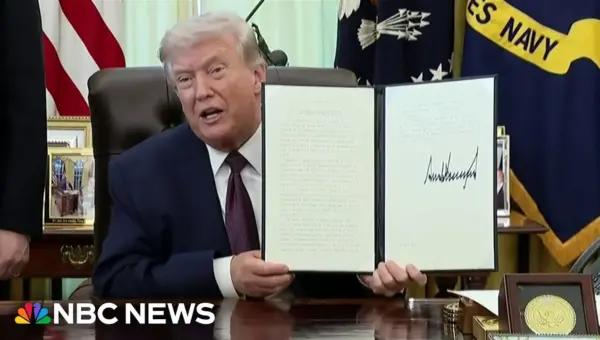
Trump Weighs Birthright Citizenship, Mail-In Voting EO
President Trump signaled his intent to attend Supreme Court arguments on birthright citizenship, a move considered highly unusual for a sitting president. Simultaneously, he signed an executive order aiming to alter mail-in ballot procedures through the Postal Service, an action expected to face legal challenges. The order targets voter verification for mail-in ballots, reflecting ongoing concerns about election integrity.