Israel, Lebanon Engage in Direct U.S.-Mediated Talks
Israel and Lebanon have held direct talks mediated by the United States, aiming to ease border tensions. Discussions focused on security concerns, particularly the influence of Hezbollah. While the U.S. hailed the dialogue, skepticism remains regarding past negotiation outcomes.

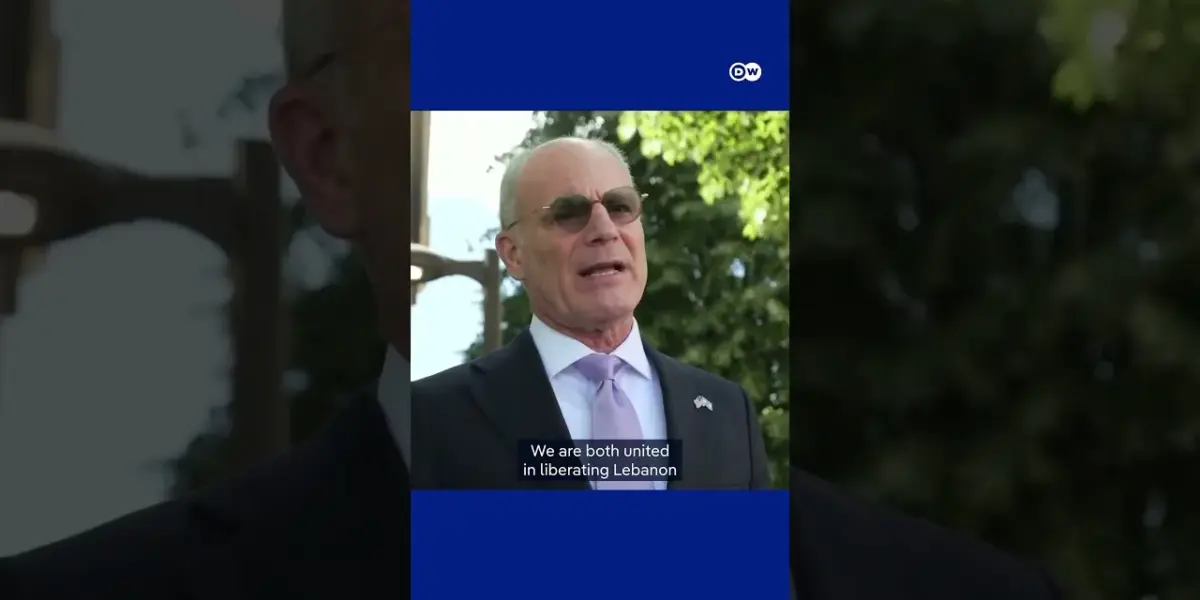
Direct Talks Held Between Israel and Lebanon
In a significant development, Israel and Lebanon have engaged in direct negotiations, facilitated by the United States. These talks mark a rare moment of direct engagement between the two nations, which have a long history of conflict and no formal diplomatic ties. The primary focus of these discussions was to de-escalate tensions and address security concerns along their shared border.
U.S. Role in Facilitating Dialogue
The United States played a crucial role in bringing Israeli and Lebanese officials together for these direct talks. U.S. officials emphasized the importance of dialogue in finding solutions to the ongoing security challenges. The aim was to create a stable environment and prevent further escalation of hostilities. The U.S. has long sought to mediate disputes in the region, and this initiative highlights their continued diplomatic efforts.
Key Issues and Sticking Points
A central issue discussed was the presence of Hezbollah on Lebanon’s southern border with Israel. Israeli officials have repeatedly cited Hezbollah’s military capabilities and cross-border actions as a major security threat. The transcript suggests a viewpoint that any Israeli occupation of Lebanese territory is used by Hezbollah as a pretext to maintain its armed resistance. Israel, in turn, views Hezbollah’s rocket fire into Israel as a direct threat that necessitates military action. This creates a cycle of conflict that both sides are looking to break.
“We discovered today that we’re on the same side of the equation. That’s the most positive thing we could have come away with. We are both united in liberating Lebanon from occupation power dominated by Hezbollah.”
This quote, though attributed to an Israeli perspective in the context of the transcript, highlights the complex dynamics. It suggests a shared interest, from the Israeli viewpoint, in reducing Hezbollah’s influence, while also pointing to the deep divisions over how to achieve this. The idea of liberating Lebanon from what is perceived as Hezbollah’s dominance is a key element from the Israeli side. However, the transcript also hints at skepticism from the Lebanese side regarding the effectiveness of such negotiations, with one sentiment expressed questioning past successes: “What have we seen? How long have we been doing this? Have we ever seen negotiations for Lebanon succeed in anything?”
Hezbollah’s Role and Pretexts for Conflict
The transcript points to Hezbollah’s influence as a major factor in the ongoing tensions. It suggests that Hezbollah uses Israeli actions, such as occupying Lebanese territory, as justification for its continued armed stance. Conversely, when Hezbollah launches rockets into Israel, even after promising not to, Israel is said to use this as a pretext for large-scale military operations. This creates a dangerous feedback loop where actions and reactions fuel further conflict.
Lebanese Hopes and Skepticism
For Lebanon, the hope is that these negotiations will yield positive results. However, there is also a palpable sense of skepticism, rooted in past experiences. The question raised, “Have we ever seen negotiations for Lebanon succeed in anything?”, reflects a deep-seated doubt about the potential for lasting peace through such dialogues. The desire for a positive outcome is present, but it is tempered by a history of failed attempts and unresolved issues.
Looking Ahead
The success of these direct talks will depend on the ability of both Israel and Lebanon to find common ground on security matters and to address the underlying issues that fuel the conflict. The U.S. commitment to facilitating dialogue offers a potential pathway forward, but sustained efforts and a willingness to compromise will be essential. Future developments will likely focus on any concrete agreements reached regarding border security and the role of non-state actors in the region.
Source: Israel, Lebanon hold direct talks in US | DW News (YouTube)

Related Articles
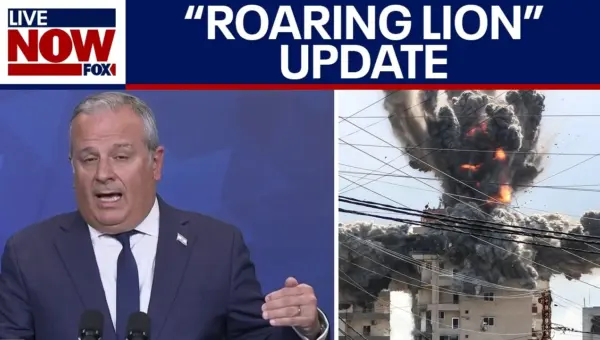
Israel, Lebanon Launch Historic US-Mediated Dialogue
Israel and Lebanon have begun a historic US-mediated dialogue, marking the first direct negotiations between the nations since 1993. The talks aim to disarm Hezbollah and establish lasting peace, despite ongoing rocket fire into northern Israel. Israeli officials emphasized that Lebanon and Israel are now on the same side, opposing Hezbollah and Iranian influence.

US Blockades Strait of Hormuz, Shifting Global Oil Tensions
The United States has initiated a naval blockade of the Strait of Hormuz, aiming to cut off Iran's oil exports and pressure Tehran back to negotiations. This move escalates regional tensions and is expected to significantly impact global oil prices, particularly affecting major importers like China. The strategy involves naval assets positioned to intercept vessels, while Iran has responded with accusations of piracy and threats of regional escalation.


Iran-US Tensions Rise Amid Strait of Hormuz Blockade
The Strait of Hormuz is now under a dual blockade by Iran and the U.S., escalating regional tensions. Meanwhile, former Congressman Eric Swalwell faces a new investigation, and an Oklahoma principal is hailed as a hero for stopping a school shooter. Severe storms continue to impact the Midwest.