US Navy Blocks Ships, Oil Prices Soar Amid Iran Tensions
The U.S. Navy is enforcing a blockade of ships from Iranian ports in the Strait of Hormuz, leading to a surge in oil prices above $100 a barrel. This action follows failed talks with Iran and signals increased U.S. pressure. Meanwhile, lawmakers are grappling with a critical funding battle for the Department of Homeland Security.

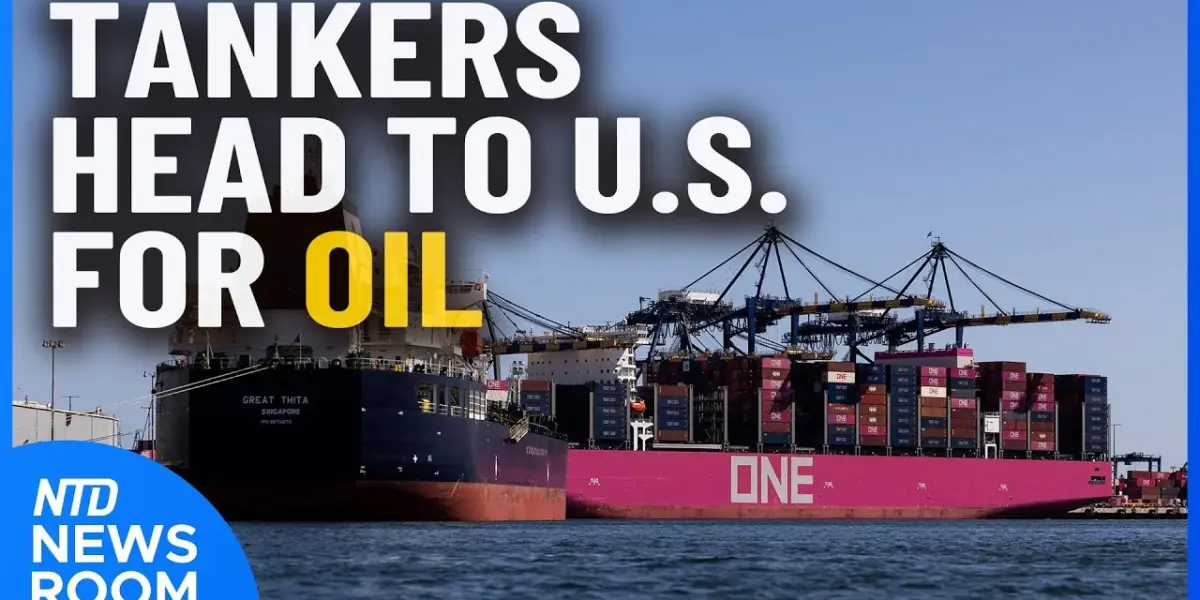
US Navy Blocks Ships, Oil Prices Soar Amid Iran Tensions
The United States Navy is taking a strong stance in the Strait of Hormuz. They are stopping ships from leaving Iranian ports. This action comes after talks between the U.S. and Iran failed to reach an agreement. President Donald Trump has increased pressure on Iran, and this naval blockade is part of that strategy.
The situation has quickly affected global markets. Oil prices jumped significantly, reaching over $100 a barrel. This rise shows how sensitive the oil market is to tensions in the Middle East. The Strait of Hormuz is a critical waterway for oil transport, making any disruption there a major concern for the world economy.
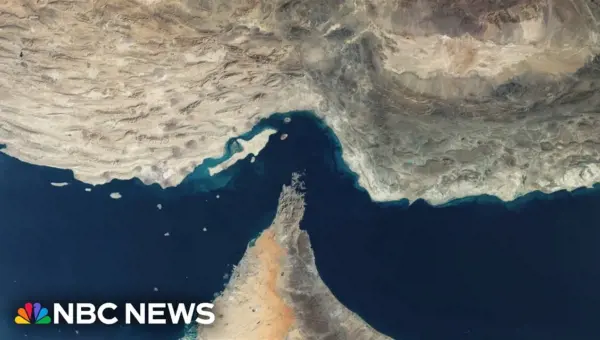
Background: The Strait of Hormuz and Iran’s Role
The Strait of Hormuz is a narrow channel that connects the Persian Gulf to the open ocean. About 30% of the world’s oil passes through this strait every day. Because it’s so important, any conflict or tension in this region can have a big impact on oil prices and supply worldwide. Iran has previously threatened to block ships in the strait, making it a constant point of concern.
Recent events have escalated these concerns. The U.S. military’s decision to enforce a blockade signals a more assertive approach. This follows failed diplomatic efforts, suggesting a shift towards economic and military pressure as the primary tools to influence Iran’s actions.
Market Reaction and Economic Impact
The immediate market reaction was a sharp increase in oil prices. When the U.S. ramped up pressure on Iran, oil topped $100 a barrel. This price surge reflects the fear of potential supply disruptions. For consumers, higher oil prices mean more expensive gasoline and other goods, as transportation costs increase.
This also affects businesses that rely on oil. Industries from airlines to manufacturing can feel the pinch of rising energy costs. The global economy is closely watching these developments, as instability in oil markets can slow down economic growth.
Domestic Political Front: Homeland Security Funding
While international events grab headlines, domestic issues remain critical. Lawmakers are back to debating funding for the Department of Homeland Security. This is a challenging issue, with disagreements on how much funding to provide and how it should be used. The House of Representatives is facing a difficult vote to see if they can pass a bill to partially fund the department.
Funding for homeland security is vital for national safety. It covers everything from border security to counter-terrorism efforts. A prolonged funding battle can create uncertainty and potentially affect these crucial operations. The outcome of these domestic debates is as important for the country’s stability as the international tensions.
Why This Matters
The events in the Strait of Hormuz and the ongoing funding debate in Washington highlight interconnected global and domestic challenges. The U.S. Navy’s actions directly impact global oil markets, affecting economies worldwide and the wallets of everyday people. This demonstrates how geopolitical events can have tangible, immediate consequences far beyond the immediate region.
Furthermore, the domestic political struggle over homeland security funding shows the challenges of governance. Passing essential legislation requires compromise and agreement, which can be difficult to achieve. The ability of the U.S. to manage both foreign policy crises and domestic priorities effectively is crucial for its own stability and its role on the world stage.
Implications and Future Outlook
The increased pressure on Iran could lead to further escalation or force Iran back to the negotiating table. The success of this strategy will likely depend on sustained international cooperation and Iran’s response. If tensions continue to rise, oil prices could remain high, impacting global economic recovery.
Domestically, the resolution of the Department of Homeland Security funding battle will determine the operational capacity of a key government agency. A failure to secure adequate funding could lead to reduced services or operational inefficiencies. The coming weeks will be crucial in seeing how these complex situations unfold, both internationally and within the United States.
Source: Tankers Head to U.S. for Oil; American Navy Turns Away 2 China-Bound Ships | NTD Newsroom (April 13) (YouTube)

Related Articles

US Blocks Iranian Ports Amid Tensions; Stocks Rally
Tensions rise as the US implements a blockade on Iranian ports, drawing strong criticism from China and accusations of piracy from Iran. Global markets react with fluctuating oil prices and a resilient stock market. Meanwhile, domestic politics sees resignations amidst misconduct allegations and ongoing debates over government funding and war powers.


Iran’s Secret Subs Threaten Strait of Hormuz
Iran has reportedly deployed its secret Ghadir-class submarines into the Strait of Hormuz, raising fears of attacks on shipping. The U.S. has vowed to sink these vessels if they pose a threat. This move escalates regional tensions amid stalled nuclear talks and ongoing conflicts.
Markets Defy War Fears as Oil Prices Fluctuate
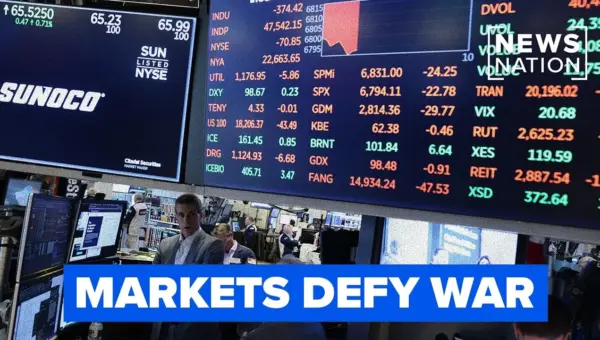
Wall Street rallied and erased Iran war losses as oil prices fluctuated near $100 a barrel. Despite market gains, Americans face higher gas prices, with a U.S. blockade of the Strait of Hormuz potentially worsening inflation. The Producer Price Index report is closely watched for future inflation signals.