Congress Battles Over Military Power in Middle East
Democrats are attempting to limit President Trump's military authority in the Middle East by forcing a vote on the War Powers Act. This procedural move faces Republican opposition and highlights divisions even within the Democratic party regarding foreign policy and presidential power.

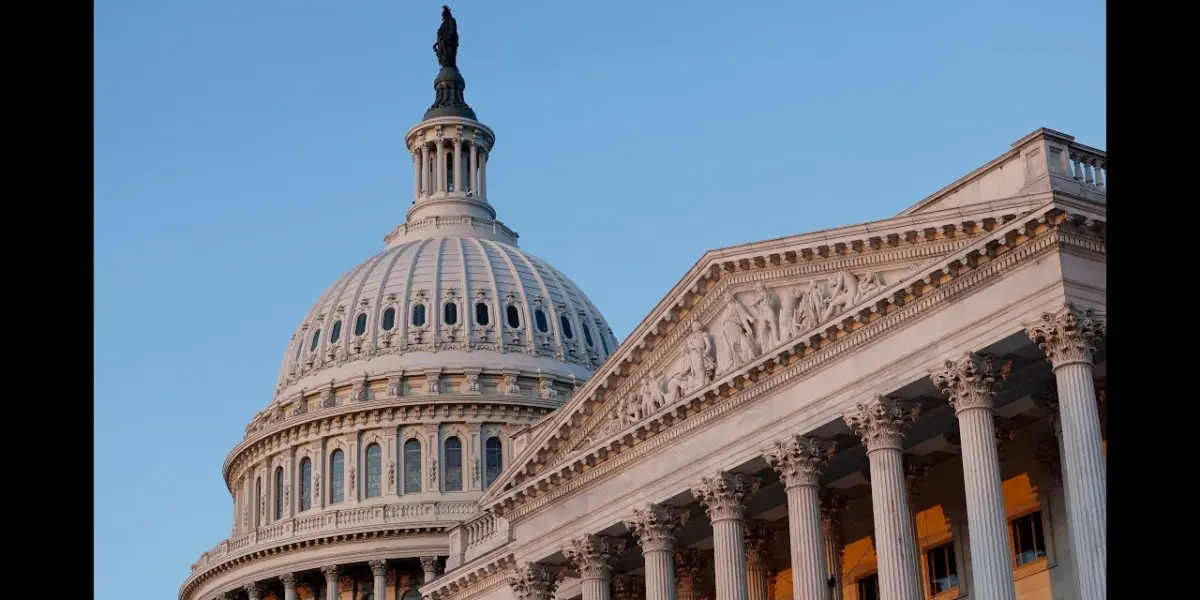
Congress Debates Limits on Presidential War Powers
Democrats in Congress are once again trying to put limits on President Trump’s ability to take military action in the Middle East. This effort comes as the U.S. Has worked out a two-week ceasefire deal with Iran. However, some Democrats feel this deal isn’t enough.
They plan to use a special process to force a vote on a measure called the War Powers Act. This act would require military actions in Iran to stop immediately unless Congress gives the President formal permission.
A Procedural Maneuver on Capitol Hill
Because Congress is currently out of session, Democrats want to use a process called unanimous consent. This allows a bill to pass without a formal vote if no one objects. However, Republicans can easily block this.
House Minority Leader Hakeim Jeffries has stated that Congressman Glenn Ivy will force this vote during a pro-forma session. These sessions are brief, mostly for show, and allow lawmakers to meet constitutional requirements when they are away from Washington D.C.
Concerns Over Empowering Enemies
This move by Democrats has raised concerns from both Republicans and some Democrats. House Speaker Mike Johnson has previously argued that such actions could empower U.S. Enemies and weaken American forces. He believes it takes away the commander-in-chief’s ability to protect national security.
This isn’t the first time Democrats have tried to pass the War Powers Act regarding military actions. Their past attempts, even going back to when President Trump ordered the capture of Nicholas Maduro in Venezuela, have not succeeded in either the House or the Senate.
Internal Democratic Disagreement
Interestingly, some Democrats have even opposed these efforts. The last time Democrats pushed the War Powers Act concerning Iran, four House Democrats voted against it. In the Senate, one Democrat, Senator John Fetterman, also opposed it.
Senator Fetterman has been very vocal about his views on the conflict with Iran. He has called Iran’s actions a “war crime” and supported President Trump’s efforts to hold Iran accountable, believing they have been successful so far.
Looking Ahead
Senator Fetterman has again said he will oppose the Democrats’ War Powers Act in the Senate. Minority Leader Chuck Schumer plans to bring the measure to the Senate floor next week.
Meanwhile, the House pro-forma session is scheduled for this morning. It is expected that Republicans will block the vote, but the outcome remains to be seen.
Why This Matters
This ongoing debate highlights a fundamental tension in American foreign policy: the balance of power between the President and Congress when it comes to military engagement. The Constitution gives Congress the power to declare war, but presidents have often taken military action without a formal declaration. The War Powers Act of 1973 was an attempt to reassert congressional authority after the Vietnam War.
It requires the President to notify Congress within 48 hours of deploying armed forces and limits the duration of deployments without congressional approval. The current push by Democrats reflects a desire to ensure Congress has a say in prolonged military engagements, especially in complex geopolitical situations like the Middle East. The disagreement among Democrats themselves shows that this issue is not simply a partisan one, but a matter of differing opinions on national security strategy and the role of Congress in foreign affairs.
Historical Context
The use of the War Powers Act has a long and often contentious history. Since its passage, presidents from both parties have frequently bypassed its notification requirements or viewed its limitations as an infringement on executive authority.
Attempts to pass stronger versions of the act or to enforce it more strictly have often stalled in Congress or been challenged in the courts. The current situation echoes past debates where Congress has sought to rein in presidential power in foreign conflicts, particularly when those conflicts are perceived as open-ended or lacking clear objectives and congressional backing.
Implications and Future Outlook
The outcome of these congressional maneuvers could have significant implications for how future military actions are authorized and overseen. If Democrats succeed, it could set a precedent for greater congressional involvement in presidential decisions regarding military force. Conversely, if Republicans successfully block the measure, it would maintain the status quo, where presidential authority in foreign military operations remains largely unchecked by Congress.
The divisions within the Democratic party also suggest that any future legislation might need bipartisan support to be effective. As geopolitical tensions continue to rise, the debate over war powers is likely to remain a critical issue, shaping the relationship between the executive and legislative branches and influencing America’s role on the global stage.
Source: Democrats to Try to Block Trump’s Operation Epic Fury in Congress (YouTube)

Related Articles

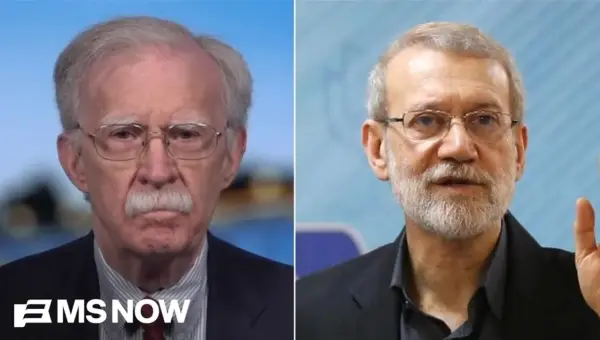
Bolton Slams Trump’s Iran Policy as ‘Snake-Like’
John Bolton, former National Security Advisor, has strongly criticized former President Trump's Iran policy as "snake-like" and lacking a clear strategy. Bolton stated that Trump's decisions were often impulsive, undermining U.S. credibility and creating instability in the Middle East. He called for a more consistent and strategically grounded approach to foreign policy.


Israel Strikes Beirut Building, Killing Top Hamas Official
An Israeli airstrike in Beirut killed senior Hamas official Saleh al-Arouri, a key figure in the militant group. The strike, which leveled a building in the Lebanese capital, has raised fears of a wider regional conflict. Hamas has vowed retaliation, and Hezbollah has warned of consequences.

Israel Strikes Key Iran Leaders, Boosts Regional Security
Israel has eliminated key Iranian militant leaders, including Lar Johnny, a potential successor to the Ayatollah, and Solommani, head of the repressive Beiji militia. The operation, based on extensive intelligence, also killed hundreds of militia members. This significant strike aims to disrupt militant operations and enhance regional security.