Starship V3 Takes Flight: SpaceX’s Ambitious Future Unveiled
SpaceX's Starship V3 hardware has begun testing, marking a significant step forward. The company is also expanding its infrastructure, acquiring xAI, and planning a colossal constellation of up to one million satellites, signaling a new era in space exploration and AI development.

Starship V3 Ignites Progress: SpaceX Pushes Boundaries
SpaceX has entered a new era of development with the highly anticipated testing of its third-generation Starship hardware. This week marked a significant leap forward, with the successful deployment and initial testing of Booster 19, the first V3 Super Heavy booster, signaling robust progress towards future orbital flights. The company’s relentless pursuit of its ambitious goals is evident not only in Starship’s advancements but also in a series of other strategic moves and mission updates that underscore a transformative period for space exploration.
Booster 19: A Glimpse of V3’s Potential
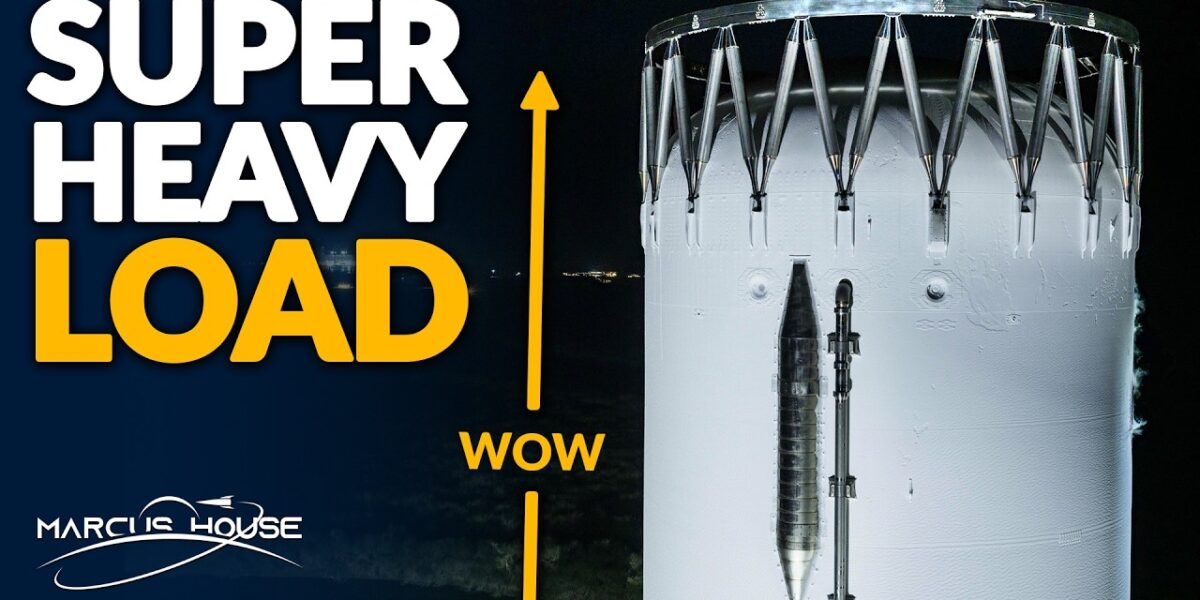
The spotlight this week has been on Booster 19, SpaceX’s inaugural V3 Super Heavy booster. Following a familiar yet precise routine, the booster was moved into Megabay 1 for integration with its thrust simulator. After a brief period of temporary storage, Booster 19 was transported to the Massey’s test site, a location that has seen significant upgrades to accommodate the new hardware.
The intricate details of the V3 aft section, including distinct quick disconnect ports, showcase the iterative design improvements over the V2 models. The initial testing campaign, observed via NSF Live Cameras, began with methane tank venting and progressed to a groundbreaking full cryogenic test.
This involved filling the liquid oxygen tank to approximately five rings in height and likely topping off the methane tank and common dome, a critical step that Booster 19 successfully navigated, surpassing the performance of previous test articles like Booster 18. The successful cryogenic testing, even under the shadow of past incidents, represents a major victory and paves the way for imminent flight tests.
Starship Production Accelerates
Beyond the V3 booster, the Starfactory continues its relentless pace of production. Work has commenced on Booster 20, with its upper liquid oxygen tank sections and common dome being assembled. Simultaneously, Ship 40, the V3 counterpart to Booster 20, has also begun construction.
Observational data reveals new ablative designs around catch pins and the presence of COPVs (Composite Overwrapped Pressure Vessels) within the payload bay, alongside the integration of docking ports similar to Ship 39. The forward dome section for Ship 40 has also been integrated, demonstrating SpaceX’s rapid stacking and assembly capabilities.
Infrastructure Expansion and Ground Systems
The expansive Starbase facility is undergoing significant infrastructure development. New security trailers equipped with Starlink antennas and cameras have been sighted, and site preparation, including the installation of silt fencing for groundwater and debris management, is actively underway. This expansion is crucial for the future of Starship operations, which will require extensive launch and processing facilities.
At the launch pads, testing of detonation suppression systems at Pad 2 has progressed, incorporating nitrogen gas alongside water to create a vapor cloud, a vital safety measure for future launches. Pad 1 is also seeing rapid upgrades, with the installation of a large concrete and steel reinforced pile cap, designed to accommodate additional tanks.
The Air Separation Unit, a massive component standing approximately 48 meters tall and weighing 272 tons, has been delivered and installed. This unit is critical for producing liquid oxygen and nitrogen, essential propellants for Starship’s Raptor engines, and may also extract argon, a byproduct with potential uses for welding and Starlink thrusters.
NASA’s Artemis II Faces Delays
While SpaceX pushes forward, NASA’s Artemis II mission has encountered setbacks. A critical wet dress rehearsal for the Space Launch System (SLS) rocket at Pad 39B was halted due to a liquid hydrogen leak near the tail service mast umbilical, a recurring issue from Artemis I. Despite troubleshooting and managing the leak, the countdown was ultimately stopped just minutes before completion due to a spike in the leak rate.
Minor issues with the Orion spacecraft’s hatch pressurization system and potential weather-related anomalies affected the rehearsal. These challenges have led to a revised launch target for Artemis II in March, pushing the crew’s quarantine period to align with the new schedule.
SpaceX’s Bold Vision: xAI and a Million Satellites
In a move that has sparked considerable discussion, SpaceX has officially acquired xAI, Elon Musk’s artificial intelligence company. This acquisition, coupled with SpaceX’s existing Starlink constellation, points towards an audacious future involving space-based data centers. The company has filed an FCC application proposing a massive constellation of up to one million satellites orbiting between 500 and 2000 kilometers.
These satellites would serve as orbital data centers, leveraging constant solar power and mitigating the environmental and grid impacts of terrestrial data centers. This initiative, if realized, would represent an unprecedented demand on Starship’s launch cadence, with SpaceX envisioning launches occurring hourly, capable of delivering millions of tons of payload to orbit annually. This bold vision positions SpaceX at the forefront of AI development and signals a significant step towards a Kardashev Level II civilization, capable of harnessing the full energy output of a star.
Falcon 9 Updates and Pad Redeployments
The Falcon 9 program continues its operational cadence, albeit with minor disruptions. The Starlink Group 17-32 mission, which also carried Starship heat shield tiles for experimental purposes, experienced an off-nominal condition with its second stage during deorbit burn preparations. The stage was safely passivated, preventing it from becoming space debris.
Following an investigation into this issue, SpaceX is preparing to resume Falcon 9 flights. Meanwhile, at Launch Complex-39A, the crew access arm, a fixture for historic human spaceflight missions like Demo-2 and various Axiom flights, is being removed to prioritize Falcon Heavy and Starship launches. Crew Dragon missions are expected to be consolidated at SLC-40 moving forward.
Looking Ahead: The Future of Space Exploration
The rapid advancements in Starship technology, coupled with SpaceX’s expansion into AI infrastructure and NASA’s ongoing lunar ambitions, paint a picture of a rapidly accelerating future in space. The successful testing of Starship V3 hardware, the ambitious plans for orbital data centers, and the continued development of launch infrastructure all point towards humanity’s growing capacity to operate beyond Earth.
While challenges remain, such as the delays in the Artemis II mission and the complexities of managing a million-satellite constellation, the momentum is undeniable. The coming years promise to be a period of unprecedented growth and discovery, as we continue to push the boundaries of what is possible in the cosmos.
Source: SpaceX’s Starship Version 3 Testing is Epic! Why? (YouTube)

Related Articles


S&P 500 Hits Highs Amid War Fears
The S&P 500 has unexpectedly reached all-time highs despite global conflicts and economic worries. Meanwhile, the crypto market faces regulatory delays, and AI's impact remains a mixed bag of innovation and public concern.


AI Finds Thousands of Crypto Security Flaws
A new AI model, Mythos, has discovered thousands of critical security flaws in software, posing potential risks to cryptocurrency platforms. The threats are more likely to target centralized exchanges and applications rather than the core blockchain technology itself.

Artemis II Astronauts Set New Human Distance Record
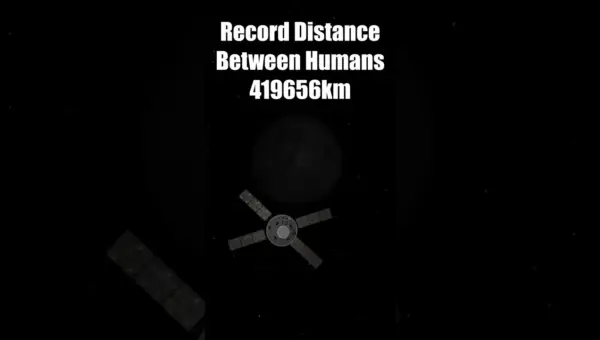
The Artemis II mission set a new human distance record, reaching 413,145 km from Earth. The mission also established a record for the greatest distance between two groups of humans, with astronauts on China's Tiangong space station being 419,656 km away from the Artemis II crew.