Inside a Nuclear Plant’s Refueling: A Rare Glimpse
A rare look inside the Browns Ferry Nuclear Plant reveals the complex and highly coordinated process of refueling a nuclear reactor. Witnessing the transfer of spent fuel assemblies and understanding the rigorous safety protocols offers a new perspective on this vital energy source.

Inside a Nuclear Plant’s Refueling: A Rare Glimpse
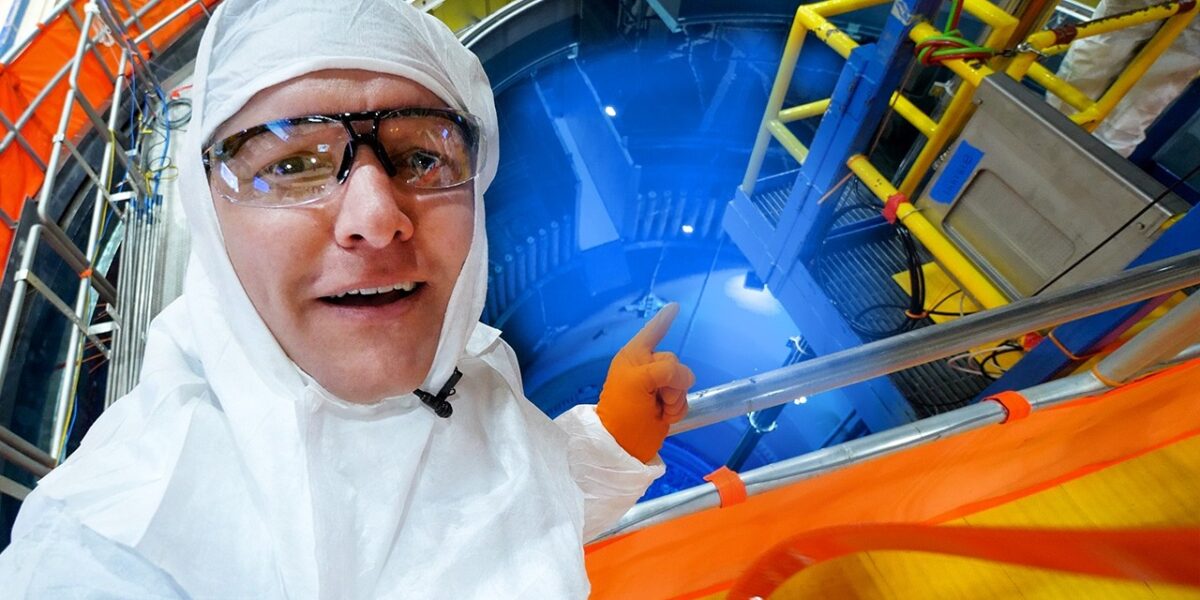
The hum of machinery, the precise choreography of highly trained professionals, and the intricate dance of nuclear fuel – this is the unseen world of a nuclear power plant during its most critical maintenance period: refueling. In an unprecedented access, the Smarter Every Day team, led by Destin Sandlin, ventured into the heart of the Browns Ferry Nuclear Plant in Alabama to witness firsthand the complex process of replacing spent nuclear fuel with fresh assemblies. This immersive experience demystified the technology and underscored the rigorous safety protocols that govern this vital energy sector.
A Plant Undergoing Transformation
Browns Ferry Nuclear Plant, operated by the Tennessee Valley Authority (TVA), is one of the largest nuclear facilities in the United States, housing three boiling water reactors (BWRs) under a single roof. The visit coincided with a refueling outage for Unit 2, a period that occurs roughly every two years for each reactor. During an outage, a plant is temporarily taken offline to allow for essential maintenance, inspections, and, crucially, the replacement of nuclear fuel.
The process of preparing for such an event is extensive, involving months of planning and coordination. For visitors like Destin, access requires rigorous training and strict adherence to safety procedures.
This includes obtaining specialized equipment, such as dosimeters – devices that meticulously track an individual’s exposure to ionizing radiation. The plant’s safety culture is palpable, with rules governing even simple actions like climbing stairs, all aimed at ensuring the well-being of personnel and the integrity of operations.
The Heart of the Matter: Nuclear Fuel
At the core of nuclear power generation are the fuel assemblies. These are bundles of precisely engineered fuel rods, each containing uranium dioxide pellets.
These pellets are the source of the energy, undergoing nuclear fission when bombarded by neutrons. This fission process releases a tremendous amount of heat, which is then used to generate electricity.
The Browns Ferry plant utilizes ATRIUM-11 fuel assemblies, proof of the ongoing advancements in nuclear fuel technology. During a refueling outage, approximately one-third of the reactor core’s fuel is replaced.
This spent fuel, while still radioactive, is carefully removed and stored in a spent fuel pool, a heavily shielded area designed to safely cool and contain it. The plant can operate for up to two years on a single core of nuclear fuel, a remarkable feat of energy density compared to fossil fuels, which require constant resupply.
Witnessing the Refueling Operation
The highlight of the visit was observing the actual fuel transfer process. The reactor pressure vessel head is removed, and the reactor core is flooded with water, bringing the water level up to that of the spent fuel pool. This water serves multiple purposes: it acts as a coolant, a radiation shield, and a medium for handling the fuel assemblies.
Shield blocks are removed, and a specialized crane, equipped with a grapple, carefully lifts a spent fuel assembly from the core. The crane then maneuvers the assembly over to the spent fuel pool and lowers it into its designated storage location.
The visual spectacle of this operation includes the ethereal blue glow of Cherenkov radiation, a phenomenon that occurs when charged particles travel through a dielectric medium (in this case, water) faster than the phase velocity of light in that medium. This distinctive glow is a visible indicator of the intense energy present within the reactor.
Boiling Water Reactors vs. Pressurized Water Reactors
Browns Ferry operates Boiling Water Reactors (BWRs), a design distinct from the more common Pressurized Water Reactors (PWRs). In a BWR, water is allowed to boil directly within the reactor vessel, producing steam that drives the turbines.
This design operates at approximately 1,000 pounds per square inch (PSI), with steam temperatures around 550-570 degrees Fahrenheit. The key characteristic is the intentional boiling within the vessel, creating a large steam pocket.
In contrast, PWRs maintain water under much higher pressure (around 2,000 PSI) to prevent boiling within the reactor vessel. While some nucleate boiling (tiny bubbles forming and collapsing on fuel surfaces) occurs, mass boiling is avoided.
The heat from the primary coolant loop is then transferred to a secondary loop to generate steam. Understanding these differences is crucial to appreciating the engineering nuances of nuclear power generation.
Safety: The Paramount Concern
Throughout the visit, the emphasis on safety was unwavering. From the stringent security checks, including biometric scans, to the detailed radiation monitoring and the training on foreign material exclusion, every aspect of the operation is designed to mitigate risk.
Personnel are equipped with dosimeters and undergo regular training to ensure they understand radiation limits and safety protocols. The concept of a ‘boring’ nuclear plant – one that operates steadily and predictably – is the ultimate goal, reflecting a culture of vigilance and continuous improvement.
The Future of Nuclear Energy
This deep dive into nuclear refueling highlights the maturity and sophistication of current nuclear technology. As the world grapples with climate change and the increasing demand for clean energy, nuclear power remains a critical component of the global energy mix. Future videos in this series promise to explore radioactive material handling, advanced nuclear technologies, and the ongoing challenge of nuclear waste management.
The experience at Browns Ferry not only demystified nuclear power for the Smarter Every Day audience but also underscored the dedication and expertise of the individuals who ensure its safe and reliable operation. It’s a powerful reminder that even the most complex technologies are managed by human ingenuity and a commitment to safety, making nuclear power a compelling, albeit often misunderstood, energy solution for the future.
Source: Refueling a NUCLEAR REACTOR – Smarter Every Day 311 (YouTube)

Related Articles


AI Fuels Unprecedented Energy Demand: A New Investment Boom
The rapid expansion of artificial intelligence is creating an unprecedented surge in electricity demand, straining existing grids and sparking a new investment boom in the energy sector. From utilities to nuclear power and grid infrastructure, significant capital is flowing into support AI's insatiable energy appetite.


EBR-1: The Dawn of Nuclear Power Generation
Explore EBR-1, the world's first nuclear power plant in Idaho, which pioneered electricity generation using controlled nuclear fission and the breeding of plutonium. Discover the science behind this historic achievement and its impact on modern energy.


Nuclear Plant Workers: Radiation Fears Are Unfounded
Nuclear plant workers are emphasizing the stringent safety protocols and minimal radiation exposure they experience daily. Advanced training and adherence to the ALARA principle, focusing on shielding, distance, and time, ensure worker safety against radiation and contamination.