Nuclear Plant Workers: Radiation Fears Are Unfounded
Nuclear plant workers are emphasizing the stringent safety protocols and minimal radiation exposure they experience daily. Advanced training and adherence to the ALARA principle, focusing on shielding, distance, and time, ensure worker safety against radiation and contamination.

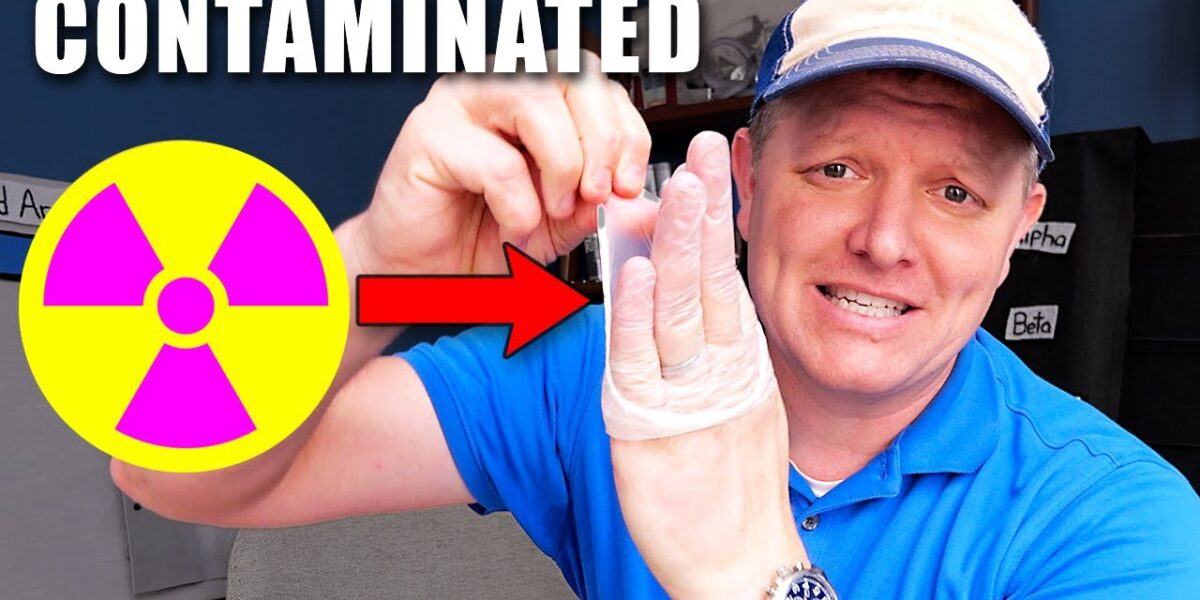
Nuclear Workers Champion Safety Amidst Public Misconceptions
At a time when the term “nuclear” often evokes images of catastrophic accidents and weaponized destruction, the reality of safety within nuclear power plants is being brought to light by the very individuals who work there daily. Contrary to widespread public perception, experienced nuclear plant workers express profound confidence in the safety protocols surrounding their profession, emphasizing that their occupational radiation exposure is exceptionally low and that fears are often fueled by a lack of understanding rather than scientific fact.
This sentiment was a central theme during a deep dive into nuclear power operations, as documented by the popular science channel Smarter Every Day. The series aims to demystify nuclear energy by going behind the scenes and speaking directly with the experts.
In a recent installment, the focus shifted to the critical topic of radiation and the stringent measures in place to protect workers. The consensus among seasoned professionals is clear: nuclear power would likely be a far more prevalent energy source today if the public had a better grasp of the rigorous safety standards and the minimal actual risks involved.
Understanding Radiation: A Four-Part Shielding Strategy
A key element in dispelling fears is understanding the nature of radiation itself. During extensive training required for access to an active nuclear facility, the fundamental types of radiation were explained, alongside the sophisticated methods used to control them. This training, which included hours of computer-based modules and a rigorous exam, underscored the comprehensive approach to safety.
The four primary types of radiation encountered are:
- Alpha Radiation: These are relatively large particles, akin to a helium nucleus. While they carry significant energy, their penetration power is minimal; a sheet of paper is sufficient to stop them. This makes them a concern primarily if inhaled or ingested.
- Beta Radiation: Smaller and faster than alpha particles, beta radiation (electrons or positrons) can pass through paper but are effectively stopped by a few millimeters of plastic. This is why safety glasses, made of polycarbonate, are a common sight in nuclear facilities – they provide a crucial layer of protection against beta particles, particularly for the eyes.
- Gamma Radiation: Unlike alpha and beta, gamma radiation is not a particle but a high-frequency electromagnetic wave, more energetic than X-rays. It can easily penetrate paper and plastic, requiring dense materials like lead for effective shielding. The lead aprons used in dental X-rays are a familiar example of this principle.
- Neutron Radiation: These particles, produced during nuclear fission, are highly energetic and can pass through paper, plastic, and even lead. They are typically best shielded by materials rich in hydrogen, such as water or concrete, as hydrogen atoms effectively slow them down through interaction.
Nuclear power plants meticulously manage these radiation types by establishing “Radiologically Controlled Areas” (RCAs). Within these zones, specific shielding is employed based on the dominant radiation types present, ensuring that exposure levels remain well within safe limits.
Radiation vs. Contamination: A Crucial Distinction
A common source of confusion is the difference between radiation and contamination. While radiation is energy emitted from unstable atoms, contamination refers to the presence of radioactive material itself on surfaces or within the environment. An analogy used to illustrate this difference involved the smell of dog waste: the smell (radiation) can be detected from a distance, but one is only truly “contaminated” and spreading it if they step in it.
Nuclear workers utilize specialized equipment, such as Digital Alarming Dosimeters (DADs) and Dosimeters of Legal Record (DLRs), to monitor their exposure. DADs provide real-time readings of radiation rates, while DLRs track cumulative exposure over time. These tools are integral to the “As Low As Reasonably Achievable” (ALARA) program, a cornerstone of nuclear safety.
The ALARA Principle: Shielding, Distance, and Time
The ALARA principle guides workers in minimizing their radiation exposure through three primary strategies:
- Shielding: Utilizing materials like lead or concrete to block radiation.
- Distance: Maintaining a safe distance from radiation sources, as radiation intensity decreases significantly with distance.
- Time: Limiting the duration of exposure in areas with radiation.
These strategies are applied rigorously, with strict dose limits set by regulatory bodies like the Nuclear Regulatory Commission (NRC). For instance, the NRC’s limit for occupational exposure is 5,000 millirem per year, but many plants, including Browns Ferry, set their internal limits much lower, often around 2,000 millirem annually.
To put this into perspective, the threshold for observable biological effects from radiation is approximately 50,000 millirem. A single chest X-ray, by comparison, is about 10 millirem.
Workers are also trained on Radiological Work Permits (RWPs), which detail the specific radiological risks associated with a task, the required precautions, and the permissible dose limits. These permits are essential for anyone entering an RCA.
A New Era of Understanding
The training and direct experience gained within the nuclear plant have profoundly shifted the perspective of those involved. The rigorous training, the advanced technology for monitoring and control, and the deep understanding of radiation physics have fostered a sense of security and confidence. Workers like Bill Ball, who has decades of experience starting in the Navy’s nuclear program, and Phillip, known affectionately as “Neutron,” expressed that the public’s fear is largely misplaced and stems from a lack of education about the robust safety measures in place.
“I wish the whole public knew how safe what we really did was, considering how dangerous what we’re dealing with is,” shared one worker. “A lot of people come to me and ask, ‘Is nuclear dangerous?’ I’m like, the people that I know, they retire, they die of other natural causes, not related. It’s not cancer.”
The insights gained from this immersive experience highlight a critical need for better public education regarding nuclear power. By demystifying the science and showcasing the stringent safety protocols, the industry can begin to counter decades of fear and misinformation, enabling a more informed public discourse about the role of nuclear energy in a sustainable future.
Source: I Went Into a Nuclear Plant and It Changed How I Think About Radiation – Smarter Every Day 309 (YouTube)

Related Articles


AI Fuels Unprecedented Energy Demand: A New Investment Boom
The rapid expansion of artificial intelligence is creating an unprecedented surge in electricity demand, straining existing grids and sparking a new investment boom in the energy sector. From utilities to nuclear power and grid infrastructure, significant capital is flowing into support AI's insatiable energy appetite.

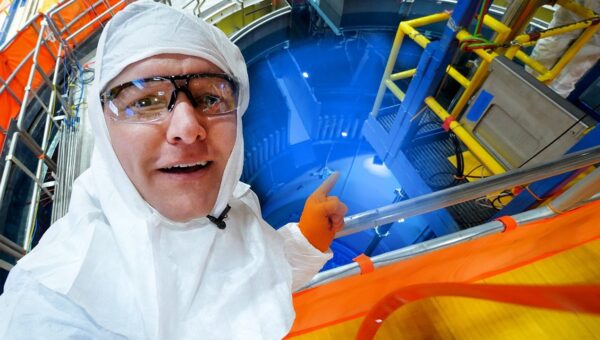
Inside a Nuclear Plant’s Refueling: A Rare Glimpse
A rare look inside the Browns Ferry Nuclear Plant reveals the complex and highly coordinated process of refueling a nuclear reactor. Witnessing the transfer of spent fuel assemblies and understanding the rigorous safety protocols offers a new perspective on this vital energy source.
EBR-1: The Dawn of Nuclear Power Generation
Explore EBR-1, the world's first nuclear power plant in Idaho, which pioneered electricity generation using controlled nuclear fission and the breeding of plutonium. Discover the science behind this historic achievement and its impact on modern energy.