Trump Granddaughter’s Lavish Shopping Trip Sparks Outrage
A recent YouTube video by Kai Trump, showcasing a lavish shopping trip to the expensive Arowan grocery store with Secret Service protection, has sparked widespread outrage. The incident highlights a perceived disconnect between the Trump family's lifestyle and the economic struggles faced by many Americans, fueling criticism about privilege and the use of public resources.

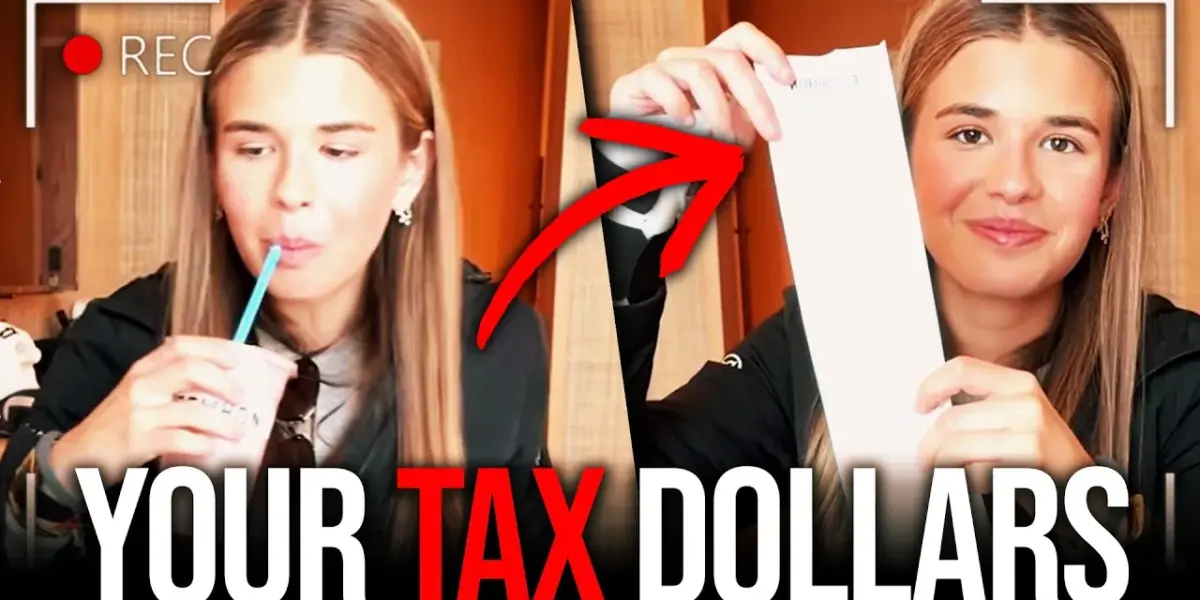
A Glimpse of Privilege: Kai Trump’s Viral Arowan Excursion
The digital world is abuzz, and not in a way that reflects well on the Trump family. Kai Trump, granddaughter of former President Donald Trump, has found herself at the center of a public relations storm following the release of a YouTube video.
The video, initially titled “I brought my secret service to Arowan,” showcases a shopping trip to what is described as the world’s most expensive grocery store, Arowan, located in Los Angeles. The premise itself – a shopping spree accompanied by taxpayer-funded Secret Service protection – has ignited a firestorm of criticism, highlighting a perceived disconnect between the Trump family’s lifestyle and the economic realities faced by many Americans.
The ‘Golden Age’ vs. Everyday Struggles
The timing of Kai Trump’s extravagant outing is particularly pointed, occurring against a backdrop of economic anxieties. The transcript references rising prices, a consequence attributed by some to Donald Trump’s past policies, including tariffs and the price of oil, which subsequently affects gas prices. The video points to a challenging job market, with recent college graduates struggling to secure employment after submitting hundreds of applications.
This economic unease is starkly contrasted with the opulence displayed in Kai Trump’s video. A poll cited in the transcript indicates that a significant majority of Americans disapprove of Donald Trump’s handling of the economy, a core issue that propelled him to the presidency.
The narrative presented is that while the Trump family may be experiencing a “golden age” of personal enrichment, many Americans are grappling with financial hardship, struggling to afford basic necessities like groceries and back-to-school supplies for their children. The transcript notes that a substantial percentage of parents are considering taking on debt or sacrificing essentials to provide for their children’s education, a sentiment that makes Kai Trump’s $28 smoothies and $500 grocery hauls at Arowan appear tone-deaf.
A History of Entitlement?
This incident is not viewed in isolation. The transcript draws parallels to past controversies involving the Trump administration and the use of Secret Service resources. It is alleged that during Donald Trump’s presidency, the Secret Service was charged exorbitant rates to stay at Trump properties, effectively turning presidential protection into a source of personal profit for the former president.
This history fuels the public’s indignation, as taxpayers are perceived to be footing the bill not only for security but also for what many see as frivolous personal excursions. The act of documenting such an outing and sharing it publicly, especially with a title that initially flaunted the presence of Secret Service agents, is seen as a profound lack of awareness.
Public Backlash and ‘Reading the Room’
The public reaction, as captured by the comments cited in the transcript, has been overwhelmingly negative. Remarks ranged from calls to “eat the rich” and suggestions that Kai Trump’s grandfather is “in the files” (implying legal trouble) to observations about her achieving the “highest aspirational position” as a “mid-tier influencer.” The sentiment of disconnect is palpable, with comments like “Let them eat cake,” “my taxes are funding this instead of school lunches,” and “Thanks for showing us a grocery store none of us will ever shop at.” The phrase “read the damn room” appears multiple times, encapsulating the feeling that the Trump family is out of touch with the struggles of ordinary Americans. The criticism extends to Kai Trump’s perceived lack of political awareness, as evidenced by her comments on the Logan Paul podcast.
Her assertion that she “stays out of politics completely” and her depiction of political discourse as a binary of “radical left” and “radical right,” with herself positioned as being “in the middle,” has been met with skepticism. Critics argue that this stance, particularly given her family’s political involvement, is disingenuous and fails to acknowledge the complexities and urgent issues facing the nation.
Military Hardware and Tone-Deaf Selfies
Adding to the controversy, Kai Trump also recently went viral for posting a TikTok video featuring what appeared to be multiple U.S. military helicopters in the background. This occurred against the backdrop of ongoing military actions and conflicts, including the war in Iran. Viewers found the juxtaposition of selfies with military hardware, especially given the human cost of such conflicts, to be deeply insensitive and tone-deaf.
The transcript explicitly questions whether people are overreacting, concluding that they are not, given the gravity of events like the casualties of war. The act of making light of or casually posing with instruments of war, particularly when the family’s patriarch is associated with foreign policy decisions, is seen as a significant misstep.
The ‘DEI Golfer’ Controversy
Further fueling the narrative of privilege and questionable merit, the transcript touches upon Kai Trump’s participation in an LPGA tournament. Despite reportedly receiving a sponsor invite, she finished last out of 108 competitors.
This has led to accusations of being a “DEI golfer,” a reference to Diversity, Equity, and Inclusion initiatives, implying that her spot in the tournament was based on her family name rather than her golfing prowess. The transcript suggests that such instances contribute to a broader perception of the Trump family benefiting from their connections and name recognition, while others struggle to gain opportunities based on merit.
Why This Matters
The public reaction to Kai Trump’s Arowan shopping trip and other related incidents is more than just a fleeting social media trend. It represents a significant challenge to the Trump family’s public image and their ability to connect with a broad electorate. In politics, perception is reality, and the image of privilege and detachment can be a significant liability, especially when juxtaposed with widespread economic hardship.
The incidents highlight critical questions about the use of public resources, the ethical responsibilities of public figures and their families, and the widening chasm between the elite and the working class. The contrast between the opulent lifestyle of some and the daily struggles of many can fuel resentment and undermine trust in institutions and leadership.
Implications, Trends, and Future Outlook
The implications of these controversies are far-reaching. For the Trump family, these incidents highlight the need for greater sensitivity and awareness of public perception. As Kai Trump and other younger members of the family navigate public life, their actions will be scrutinized through the lens of their family’s political legacy and the economic climate.
The trend of social media amplifying both privilege and public backlash is likely to continue. Platforms like TikTok and YouTube, while offering avenues for personal branding, also serve as powerful tools for accountability. In the future, we can expect continued scrutiny of the public appearances and financial dealings of political families.
The demand for authenticity and a demonstrated understanding of everyday struggles will likely increase. The narrative of a “golden age” for the elite versus hardship for the masses is a potent one that can shape electoral outcomes and public sentiment. The Trump family, whether intentionally or not, has provided ample material for this narrative, and it will be a significant challenge for them to counter it effectively.
Historical Context
The concept of public perception regarding the wealth and privilege of political families is not new. Throughout history, leaders and their families have faced criticism for perceived extravagance or a lack of empathy for the common people. From the French monarchy’s perceived indifference leading up to the French Revolution to more recent instances of political figures facing backlash for lavish spending or perceived elitism, the tension between power, wealth, and the populace is a recurring theme.
In the United States, while the ideal is often one of relatability and service, the reality has frequently involved individuals from privileged backgrounds entering public service. The Trump family’s unique position, with a business empire and a reality TV past, has amplified this dynamic. The use of Secret Service protection for personal errands or the showcasing of extreme wealth in a time of economic uncertainty taps into a long-standing sensitivity about fairness and the equitable use of public resources.
Source: Kai Trump Accidentally EXPOSES ENTIRE TRUMP FAMILY (YouTube)

Related Articles

Gunfire Erupts Near White House; Terrorist’s Family Detained
Gunfire near the White House prompted a swift response from the Secret Service, with no injuries reported. The incident coincided with federal action against relatives of an Iranian terrorist, highlighting ongoing security concerns and immigration policy.

Epstein Files & Box Office Flops Haunt Melania Trump’s Image
The documentary director's ties to the Jeffrey Epstein files and the film's box office failure have put Melania Trump under intense scrutiny. Her recent public speaking and UN role also draw criticism, painting a complex picture of her public life and the Trump family's transactional dynamics.

Job Cuts Surge Amidst Record Stock Market Highs
Job cuts have surged to 1.2 million in 2025, the worst since the Great Financial Crisis, yet the S&P 500 reaches record highs. This article explores the widening gap between the AI-driven corporate economy and the struggling consumer, highlighting the critical need for asset ownership in preserving wealth.