Iran Tensions Send Oil Prices Soaring, Threatening Global Economy
Oil prices have surged over $100 a barrel amid escalating tensions in the Strait of Hormuz, threatening widespread economic disruption. Americans can expect higher gas prices, with broader implications for food, transportation, and manufacturing costs.

Global Oil Prices Surge Amidst Hormuz Strait Tensions
Global oil prices have surged past the $100 per barrel mark, reaching their highest levels since July 2022, in response to escalating tensions in the Strait of Hormuz. This critical waterway, responsible for transporting one-fifth of the world’s daily oil supply, is experiencing a near standstill as Iran issues threats against vessels associated with the United States and Israel. The dramatic spike in crude oil prices is already casting a shadow over financial markets, with Dow futures indicating a significant drop of over 900 points ahead of Monday’s opening bell.
Americans Brace for Impact at the Gas Pump and Beyond
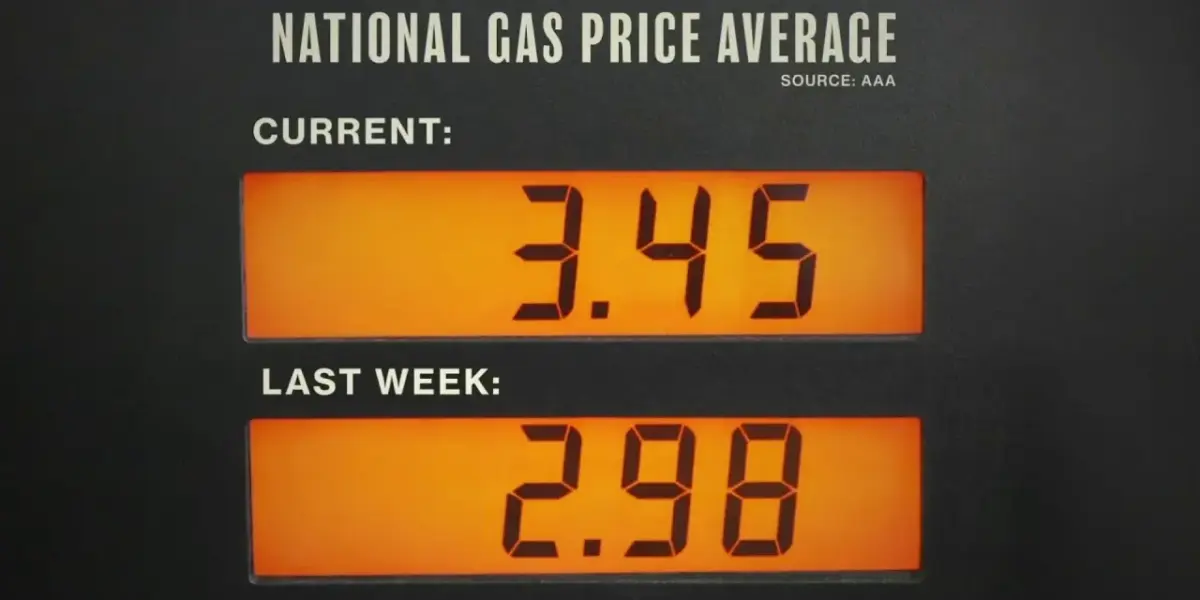
The repercussions of this geopolitical instability are expected to hit American consumers directly, particularly at the gas pump. The national average for a gallon of gasoline has already climbed to $3.45, marking a substantial increase of 47 cents in just one week. Certain regions are experiencing even more severe price hikes, with California already seeing averages exceeding $5 per gallon, and some individual stations charging upwards of $8.
However, the impact extends far beyond fuel costs. A sustained surge in oil prices has the potential to trigger a broader inflationary spiral, driving up the costs of essential goods such as food, transportation services, and manufactured products. This economic ripple effect could complicate the Federal Reserve’s efforts to manage inflation, potentially leading to sustained higher interest rates.
The Domino Effect: From Strait of Hormuz to Household Budgets
The Strait of Hormuz, a narrow chasm between the Persian Gulf and the Gulf of Oman, is a vital chokepoint for global energy trade. Its strategic importance is significant, as any disruption here sends immediate shockwaves through the international oil market. The current threats issued by Iran have effectively paralyzed traffic in the strait, creating a supply-side shock that is rapidly translating into higher prices for crude oil.
This immediate price increase is the first domino to fall. The subsequent dominoes are those that affect everyday consumers and businesses:
- Transportation Costs: Higher fuel prices directly increase the cost of shipping goods, impacting everything from logistics companies to individual delivery services.
- Food Prices: The agricultural sector relies heavily on fuel for farming equipment and transportation. Increased energy costs will inevitably be passed on to consumers in the form of higher grocery bills.
- Manufacturing and Production: Many industries utilize oil and its derivatives in their production processes. Rising oil prices can lead to increased manufacturing costs, potentially impacting the price of a wide array of consumer goods.
- Inflationary Pressures: The cumulative effect of these rising costs can contribute to broader inflation, eroding purchasing power and impacting overall economic stability.
Geopolitical Factors and Market Volatility
The situation in the Strait of Hormuz is a clear reminder of the delicate balance between global energy security and geopolitical stability. The threats from Iran are not occurring in a vacuum but are part of a complex and often volatile regional dynamic. Analysts are closely monitoring the situation to assess the likelihood of actual military action and the potential for broader conflict.
The market’s reaction, characterized by a sharp sell-off in futures, highlights the inherent uncertainty and risk associated with such geopolitical flashpoints. Investors are pricing in the potential for prolonged supply disruptions, which could further exacerbate inflationary pressures and hinder global economic recovery.
Federal Reserve’s Tightrope Walk
The escalating oil prices and the potential for sustained inflation present a significant challenge for central banks worldwide, particularly the U.S. Federal Reserve. The Fed has been working to bring inflation under control, and higher energy costs could derail these efforts.
If inflation proves persistent due to these supply-side shocks, the Fed may be compelled to maintain higher interest rates for an extended period. This would have significant implications for borrowing costs for consumers and businesses, potentially slowing down economic growth and investment.
Looking Ahead: What to Watch Next
The coming days and weeks will be critical in determining the trajectory of oil prices and their broader economic impact. Investors, policymakers, and consumers will be closely watching for any de-escalation or further escalation of tensions in the Strait of Hormuz. Developments regarding potential military actions, diplomatic efforts to ease the crisis, and the actual flow of oil through the strait will be key indicators.
The response from major oil-producing nations and the effectiveness of any strategic reserve releases will also play a key role in stabilizing the market. The sustained impact on inflation and the Federal Reserve’s subsequent policy decisions will be paramount for the global economic outlook.
Source: War with Iran has the potential to disrupt more than just gas prices (YouTube)

Related Articles


Trump’s Iran Standoff Exposes Weakness, Kash Patel Lawsuit Falters
President Trump's foreign policy in Iran faces scrutiny amidst claims of unpredictable actions and hindered diplomacy. Meanwhile, Kash Patel's defamation lawsuit against The Atlantic encounters significant legal hurdles, raising questions about public figures and the media.
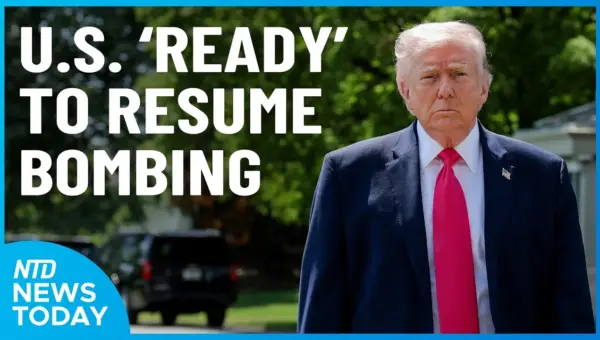
US Readies Military Might for Iran; Fed Nominee Faces Scrutiny
President Trump signals readiness to bomb Iran if deal talks fail, amidst naval blockades and potential Chinese involvement. Meanwhile, Federal Reserve nominee Kevin Warsh faces a key Senate hearing, discussing economic policy and independence. The military also shifts its vaccine policy, and investigations into Medicare fraud and the Southern Poverty Law Center continue.

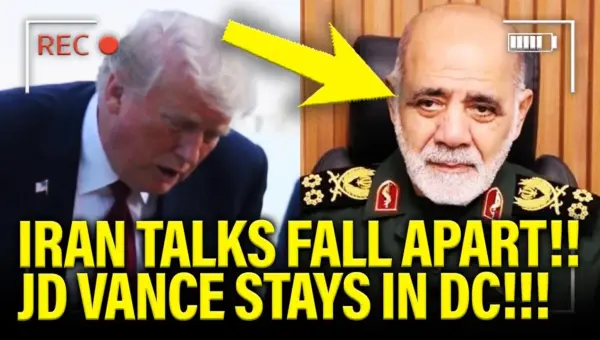
Trump’s Iran Standoff: Talks Collapse Amidst Threats
U.S.-Iran talks have collapsed amid a continued naval blockade, with Iran refusing to negotiate under threat. President Trump expects renewed conflict, while Iran warns of retaliation. Conflicting reports and aggressive rhetoric create a volatile situation with global implications.