Ex-MI6 Chief Slams “Scapegoat” Tactics in Mandelson Vetting Scandal
Former MI6 chief Sir Richard Dearlove has criticized the handling of Peter Mandelson's vetting process, suggesting Sir Oliver Robbins was made a scapegoat. Dearlove argued that national security concerns should have prevented the appointment, and Robbins should have refused to compromise.

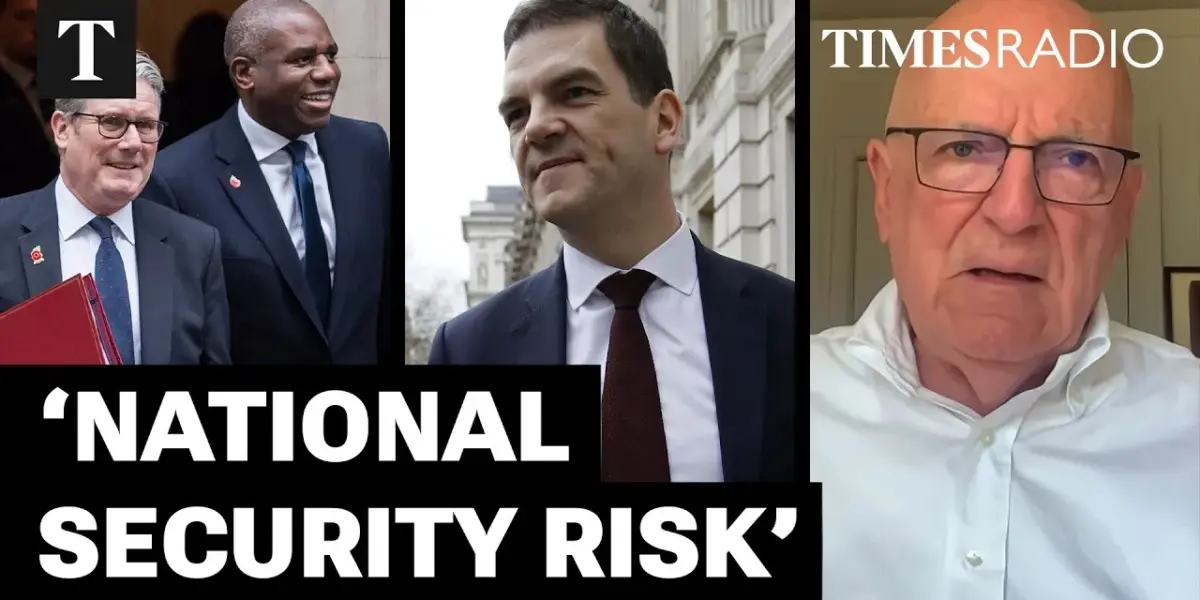
Ex-Diplomat Accused of Botching Vetting Process
Sir Oliver Robbins, former head of the diplomatic service, is under scrutiny for his role in the security vetting of Peter Mandelson. Robbins is accused of failing to inform the Prime Minister about significant red flags raised during Mandelson’s vetting process. Despite these concerns, Robbins eventually approved Mandelson for an ambassadorship, a move already announced by the Prime Minister.
This situation has led to accusations that Robbins was made a political scapegoat to shield the Prime Minister from blame. A scapegoat, in ancient rituals, was an animal burdened with the community’s sins and cast out, not expected to retaliate. The article questions whether Robbins fits this description, especially given his subsequent testimony.
Robbins’ Testimony Reveals Pressure from Downing Street
In his testimony to the Foreign Affairs Committee, Robbins suggested that the Prime Minister’s team exerted significant pressure on him to approve Mandelson’s appointment. He also mentioned an objection he raised when the Prime Minister’s team proposed appointing Matthew Doyle, the PM’s press secretary, as an ambassador.
Robbins reportedly stated that appointing someone without the necessary qualifications would be wrong, especially when experienced diplomats were facing layoffs. While he didn’t use the term “cronyism,” his testimony implied such practices were at play. Doyle was later removed from his party role due to past associations with a pedophile.
Mandelson’s Past Casts Shadow on Ambassadorship
Peter Mandelson himself became a controversial figure due to past associations that were revealed. This revelation led to him being removed from his position. The article suggests that the Prime Minister made a significant error in judgment by offering Robbins as a scapegoat, hoping to protect his own reputation.
The Prime Minister, who often presented himself as a leader of integrity, found himself portrayed as prioritizing political appointments over national security. The focus seemed to be on getting Mandelson into the U.S. embassy and placing his close ally, Doyle, into another ambassadorship, regardless of qualifications.
Questioning the Vetting Process and National Security
Sir Richard Dearlove, former head of MI6, offered his perspective on the events. He believes the primary fault lies with Downing Street for announcing the appointment without making it conditional on successful vetting. Dearlove stated that they must have been aware of Mandelson’s reputation and potential issues.
While supporting Robbins to some extent, Dearlove disagreed on one crucial point. He argued that in matters of national security, there should be no benefit of the doubt. He felt Robbins should have refused to find a compromise, even under pressure, and simply stated that Mandelson had failed his vetting and the appointment must be canceled.
“In cases of national security… You don’t give benefit of doubt.” – Sir Richard Dearlove, Former Head of MI6
MI6 Chief’s Stance on Compromise and Risk Mitigation
Dearlove questioned how one could possibly give someone with Mandelson’s record access to sensitive information, referring to the classification level “Strap Three.” He noted that Mandelson’s past directorship of a Russian company also raised concerns.
Dearlove viewed Mandelson as someone with a significant integrity problem from the start, despite his political standing. He believed the risk to national security was clear and apparent early on, making the appointment completely inappropriate and destined to cause trouble.
Robbins’ “Honorable” Actions and Political Scapegoating
Regarding Robbins being made a scapegoat, Dearlove agreed that it appeared to be the case. He described Robbins’ behavior as honorable and sensible, acting as a civil servant would. Dearlove understood Robbins’ attempt to find a compromise for a politically sensitive problem.
He suggested that he might have acted differently, being more outspoken and direct. Dearlove indicated he would have confronted the Foreign Secretary directly, stating that Mandelson failed his vetting and the appointment could not proceed. He found the idea of “mitigating risk” in such a situation impractical.
Concerns Over Political Appointments in Diplomacy
The discussion also touched upon the proposal to appoint Matthew Doyle as an ambassador. Dearlove acknowledged that governments sometimes appoint political figures to ambassadorships. However, he felt the timing was wrong, especially as Robbins was managing reforms within the senior civil service.
Appointing an unqualified and controversial figure while experienced diplomats were being let go would have created significant difficulties for Robbins. While such political appointments have had mixed success in the past, Doyle’s controversial background made the situation particularly sensitive. Dearlove felt Robbins handled this particular issue quite well.
Future of the Prime Minister Amidst Scandal
When asked if the Prime Minister should resign, Dearlove expressed hesitation given the ongoing international crisis. He suggested that changing leadership at such a moment might not yield a better outcome.
Dearlove believes this issue should be considered alongside the Prime Minister’s overall reputation and upcoming elections. He feels the situation has not yet fully matured to a point where a definitive judgment can be made, but a judgment will eventually be reached.
Source: Sir Olly Robbins Should Have Told Someone About Mandelson’s Vetting | Former Head Of MI6 (YouTube)

Related Articles
Memo Reveals Secret Push for UFO Czar in Trump White House
A leaked memo from Luis Elizondo to President Trump reveals a proposal for a White House 'UFO Czar' to manage emerging technologies and UAP. The document highlights concerns over drones and the need for better government coordination. Despite bureaucratic hurdles, some within the government are reportedly taking these issues seriously.
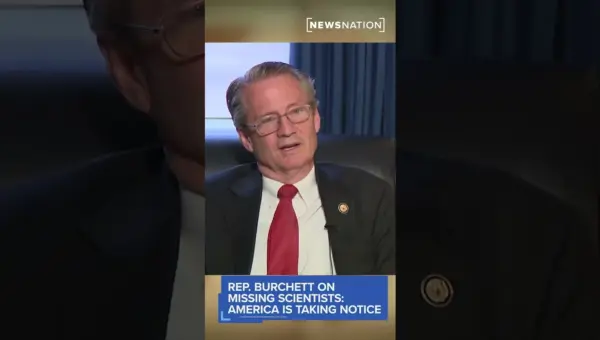
Missing Scientists Spark National Concern Over Secrets
The unexplained disappearances of scientists with high-level clearances are drawing national attention. Representative Tim Burchett notes that the public is finally noticing these concerning patterns. The secrecy surrounding their work makes the situation even more complex.

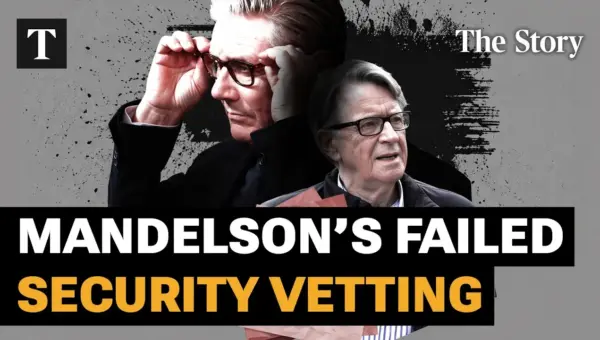
Starmer Accuses Foreign Office of Cover-Up in Mandelson Vetting Scandal
Prime Minister Keir Starmer has accused parts of the Foreign Office of a cover-up, claiming they deliberately withheld information about Lord Mandelson's failed security vetting for the US ambassador role. Starmer stated he was unaware of the failed vetting when assuring Parliament that due process was followed, calling the lack of disclosure "unforgivable."