Ukraine Strikes Russian Warship, Offers Drone Tech Amid Global Tensions
Ukraine has struck a Russian warship and is offering its drone interceptor technology globally, positioning itself as a key player in Middle East defense. This comes as global powers navigate complex geopolitical tensions involving Russia, Iran, and the U.S., with Ukraine seeking to leverage its military advancements for future security guarantees.

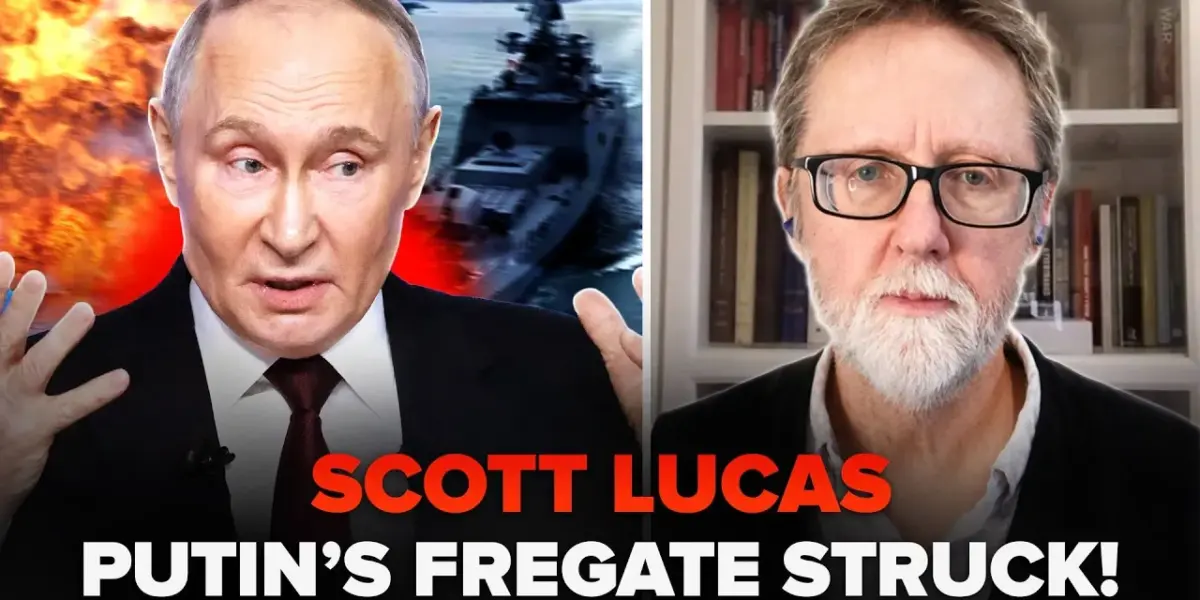
Ukraine Hits Russian Frigate, Strengthens Global Drone Defense Efforts
In a significant development on the international stage, Ukrainian forces have successfully struck the Russian frigate Admiral Essen, rendering it incapable of launching cruise missiles. This attack, occurring on March 2nd, comes amid a broader trend of Ukrainian naval and port strikes against Russia and a burgeoning role for Ukraine in global drone defense technology. Concurrently, Ukraine is positioning itself to offer military expertise and drone interceptor technology to counter Iranian threats in the Middle East, a move that could reshape its global standing and influence.
Expanding Ukrainian Offensive Capabilities
The strike on the Admiral Essen is part of a larger pattern of Ukrainian actions targeting Russia’s naval assets. Professor Scott Lucas of the University College Dublin’s Clinton Institute noted the increasing frequency of such attacks, stating, “I think you’re seeing increasing action against both Russian warships and also those Russian ships of the shadow fleet…
It just shows another vulnerability of the Russians.” This offensive capability has been a remarkable turnaround for Ukraine, which in 2022 faced Russian naval superiority in the Black Sea. By 2024, over a third of Russia’s Black Sea fleet had reportedly been damaged or put out of service, proof of Ukraine’s resilience and adaptive military strategy.
Beyond naval targets, Ukrainian forces have also attacked the port of Novorossiysk in southwest Russia, reportedly damaging three warships or support ships. While not officially claimed by Ukraine, a Russian liquefied natural gas carrier was also reportedly hit by an explosion off the coast of Libya. These actions underscore Ukraine’s ability to project power beyond its immediate conflict zone, challenging Russia’s maritime operations and its ability to evade sanctions through its so-called “shadow fleet.”
Ukraine’s Drone Interceptor Diplomacy
In parallel with its military actions, Ukraine is stepping onto the global diplomatic and technological stage. President Volodymyr Zelensky announced that Ukraine would dispatch military experts to the Middle East to assist in countering Iranian drones and missiles. This initiative is reportedly being considered by the United States and several Gulf countries, who are exploring the purchase of Ukrainian interceptor drones as a more cost-effective alternative to U.S.-made Patriot missile systems.
Professor Lucas highlighted Ukraine’s emerging position as a market leader in specific military technologies due to its necessity for survival: “The fact that you’ve had to develop that military technology to survive means you are… A market leader in terms of areas such as drone interceptors.” He elaborated on the potential benefits for Ukraine, suggesting a strategic play for political goodwill and future security guarantees: “They’re not only showing Europe…
They’re showing the Americans, look, we have military technology which is of use to you. Now, don’t you think you should be defending our security against Russia for the future?”
The Double-Edged Sword of Middle East Conflict
However, this newfound leverage comes with significant challenges. The deployment of U.S. Patriot missiles to defend Israel and potentially Gulf States raises concerns about the availability of these critical air defense systems for Ukraine itself. Professor Lucas expressed a degree of pessimism regarding Ukraine potentially receiving air defense supplies in return, noting that, “the fundamental here is that those Patriot missiles which could be used to defend Ukraine against the Russian attacks are being used to defend Israel or possibly to defend the Gulf States.” This situation could exacerbate Ukraine’s own potential shortages of air defense munitions, a vulnerability Russia might seek to exploit.
The reliance on U.S. military aid, particularly air defense systems, remains a critical factor. If Patriot systems are diverted, the burden on European allies to strengthen Ukraine’s defenses will increase. “Europe’s going to have to step up the support for Ukraine because the US has tied itself down with the choice to go in and wage war on Iran,” Lucas observed.
Peace Talks Delayed Amid Geopolitical Realignment
Adding another layer of complexity, scheduled peace talks between Russia, Ukraine, and the U.S. have been postponed. While security concerns were cited for the delay of a meeting in Abu Dhabi, Professor Lucas suggested that underlying issues of a lack of progress and Russia’s intransigence are also significant factors. Russia has previously indicated a reluctance to engage in talks unless its demands are met, particularly regarding Ukraine’s neutrality.
The role of U.S. Envoys, who have historically handled both Ukraine-Russia and Iran-related diplomacy, further complicates matters. The current U.S. Engagement in conflict with Iran raises questions about the availability and impartiality of mediators. Ukraine, while officially advocating for peace talks, has historically viewed them as a means to gain political advantage by appearing willing to negotiate while Russia remains unwilling to compromise, rather than as a path to a definitive settlement of the Russian invasion.
NATO’s United Front on Defensive Measures
In response to Iranian actions, a notable shift has occurred within European alliances. NATO Secretary General Jens Stoltenberg suggested that pressure on Iran could weaken its support for Russia’s war in Ukraine. While the extent of Russia’s continued reliance on Iranian drone supplies versus its own production capabilities remains an open question, the political implications of the Iranian regime’s potential downfall are significant for Russia.
Several European nations, including Greece, the UK, France, and Spain, have deployed ships and air defenses to protect Cyprus. The Netherlands and Italy are also considering aid to strengthen European defense against potential air attacks.
This unified stance on defensive measures, even among countries with differing views on offensive actions against Iran, appears to stem from Iran’s escalating actions, including drone attacks on a British airbase in Cyprus and missile launches towards Turkey. These provocations have compelled NATO allies to unite in defensive postures, ensuring the security of member states and strategic partners.
Iranian Miscalculations and Shifting Alliances
Professor Lucas posited that Iran’s recent actions, such as attacks on Gulf states and the drone strike on Cyprus, might represent strategic miscalculations. While intended to pressure the U.S. and its allies, these actions have inadvertently strengthened European unity on defensive measures and potentially alienated key regional players. The attack on Cyprus, in particular, is seen as a mistake that solidified NATO’s resolve to defend its allies.
The broader context of the U.S. military’s preparedness for a prolonged conflict with Iran is also under scrutiny. Reports suggest the U.S. Central command requested additional intelligence officers, indicating a potential for a protracted engagement.
The effectiveness of a U.S. Strategy relying on demonstrating power without a clear plan for post-conflict stability, especially with public opposition to ground troop involvement, remains a critical question. The potential for internal dissent within the U.S., particularly if a quick victory is not achieved, could further complicate President Trump’s political standing ahead of elections.
Israel’s Role and the Path Forward
The influence of Israel, particularly Prime Minister Netanyahu’s government, in shaping U.S. policy towards Iran is a subject of intense debate. While some, like California Governor Gavin Newsom, have suggested Netanyahu pushed the U.S. Into conflict, Professor Lucas offers a more nuanced view. He argues that both the Trump administration and Israel had independent motivations for escalating tensions with Iran, including the desire to eliminate Iran’s nuclear program and ballistic missile capabilities, alongside Netanyahu’s own political and legal challenges.
Ultimately, the current geopolitical landscape is marked by a complex interplay of military actions, diplomatic maneuvering, and evolving technological capabilities. Ukraine’s ability to leverage its military innovations for diplomatic gain, coupled with the shifting alliances and potential missteps of global powers, suggests a period of continued volatility and strategic recalibration in the weeks and months ahead.
Source: 💥PUTIN’S fleet HIT! Ukraine to INTERCEPT Iranian drones — Tehran PANICS @WorldatStake24 (YouTube)

Related Articles
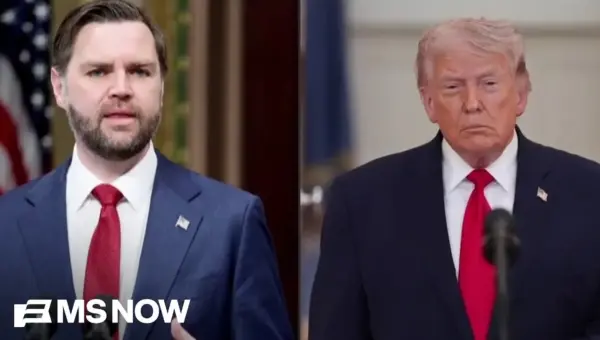
US Navy Seizes Iranian Ship Amid Strained Relations
The U.S. Navy has seized an Iranian cargo ship in the Gulf of Oman after the vessel allegedly attempted to pass an American blockade. President Trump announced the seizure, stating U.S. Marines now have custody of the ship. This incident occurs amid reports of upcoming U.S.-Iran talks, which Iran has reportedly denied participating in.

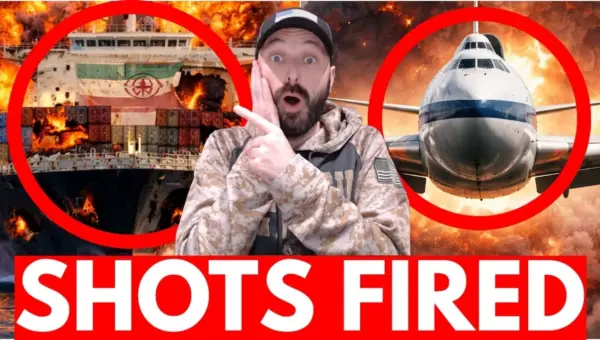
US Navy Strikes Iranian Ship, Escalating Tensions
The US Navy has taken direct action against an Iranian cargo ship attempting to breach a blockade in the Gulf of Oman. The USS Sprunce fired upon and disabled the vessel, with US Marines subsequently boarding and securing it. This incident escalates regional tensions, with Iran reportedly viewing US military movements as signs of an impending invasion.


US, Iran Near Fragile Peace Talks Amid Tensions
The United States is sending a delegation to Islamabad for peace talks with Iran as a ceasefire nears expiration. While Iran demands trust and rejects U.S. negotiation tactics, experts remain skeptical about immediate progress. Key sticking points include Iran's enriched uranium stockpile and its missile capabilities, while both nations face significant economic pressures.