Fetterman’s Iran Vote Sparks Outrage, Calls for Resignation
Senator John Fetterman's vote against a War Powers Resolution concerning Iran has ignited a firestorm, drawing accusations of betraying progressive ideals and leading to calls for his resignation. The decision highlights ongoing tensions between executive and legislative powers in foreign policy.

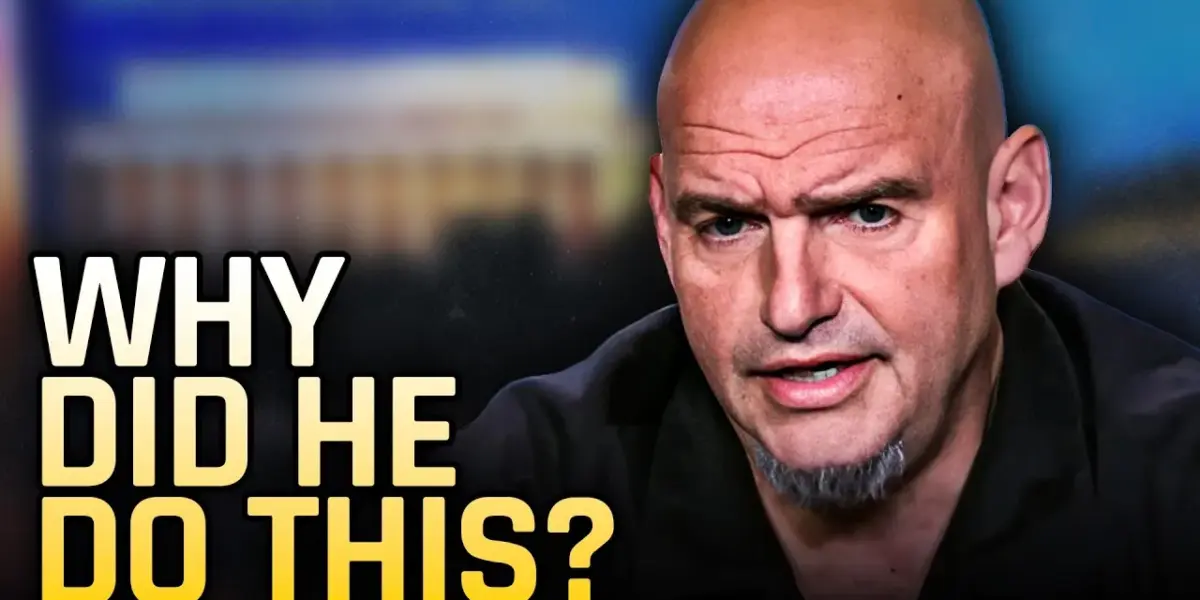
Fetterman’s Iran Vote Sparks Outrage, Calls for Resignation
In a move that has ignited fierce debate and drawn sharp criticism, Democratic Senator John Fetterman has found himself at the center of a political firestorm following his vote to block a War Powers Resolution concerning Iran. This decision, which saw Fetterman align with nearly all Senate Republicans, has led to accusations of betrayal of his progressive base and even calls for his resignation.
The Vote and Its Context
The resolution in question aimed to prevent the sitting President, in this case, Donald Trump, from taking further military action against Iran without congressional approval. Such a measure seeks to reassert Congress’s constitutional authority over matters of war and peace, a power that has been increasingly diluted over decades. The vote, which ultimately failed 47 to 53, saw a surprising bipartisan division, with the vast majority of Republicans voting against the resolution, while most Democrats supported it.
The lone Republican to co-sponsor the resolution was Senator Rand Paul, a figure known for his libertarian leanings and consistent skepticism of foreign military intervention. While the speaker acknowledges Paul’s stance on avoiding military quagmires, they are quick to dismiss his broader political alignment, characterizing him as a “suckup horrible Republican” on most other issues. Despite this, Paul’s co-sponsorship highlights a rare point of agreement across the ideological spectrum regarding the necessity of congressional oversight in foreign policy.
Fetterman’s Deviation and the Criticism
Senator Fetterman’s vote against the resolution has been framed by critics as a stark departure from the progressive platform he campaigned on. The speaker argues that Fetterman presented himself as a candidate with “hardcore progressive ideals” during his campaign, only to shift towards a more moderate, even Republican-aligned, stance once in office. This perceived shift has led to accusations of deception, with the speaker drawing an analogy to false advertising in a business context.
“The product you are selling is yourself. And you went out there and you lied to every one of those voters about who you were going to be, who you are, what you would do,” the speaker states, demanding a “refund in the form of your resignation.”
The criticism extends to comparing Fetterman unfavorably to other senators who have shifted their political positions, likening him to Joe Manchin, but suggesting Fetterman might be “even a little worse.” This strong language highlights the depth of disappointment and anger among those who felt represented by his initial campaign rhetoric.
The Broader Implications for War Powers
The failure of the War Powers Resolution has significant implications for the balance of power between the executive and legislative branches. Historically, Congress has struggled to reclaim its constitutional prerogative to declare war and authorize military force.
The War Powers Resolution of 1973 was an attempt to reassert this authority, requiring the President to notify Congress within 48 hours of committing armed forces to military action and limiting the duration of such deployment without congressional authorization. However, its effectiveness has been debated, with presidents often finding ways to circumvent its intent.
The current political climate, marked by heightened tensions with Iran, makes this debate particularly salient. By blocking the resolution, the Senate has effectively granted the executive branch more latitude in its actions towards Iran, a decision that critics argue increases the risk of escalation and unintended conflict. The speaker’s assertion that Fetterman “just endangered the entire world” reflects a deep-seated concern about the potential for unchecked presidential power to lead the nation into costly and potentially devastating wars.
A Shifting Political Landscape
Senator Fetterman’s political evolution, or perceived shift, is part of a larger trend in American politics where the lines between parties and ideologies can blur, especially in the Senate. The pressure to compromise, to build coalitions, and to navigate complex foreign policy issues can lead elected officials to make decisions that may not perfectly align with their initial campaign promises. For voters, this can create a sense of disillusionment and a feeling that their voices are not being heard.
The speaker’s call for resignation, while forceful, highlights a broader question about accountability and representation. When a politician’s actions in office diverge significantly from their electoral promises, what recourse do voters have? The analogy to false advertising, while perhaps hyperbolic, speaks to a genuine concern about the integrity of the political process and the trust between constituents and their representatives.
Why This Matters
This incident is a critical moment for understanding the current state of American foreign policy and the role of Congress in it. It raises fundamental questions about:
- Executive vs. Legislative Power: The ongoing struggle to define the boundaries of presidential authority in foreign affairs.
- Party Discipline and Ideological Purity: The pressures on senators to conform to party lines or to adapt their views based on perceived political realities.
- Voter Trust and Accountability: The expectations voters have of their representatives and the mechanisms for holding them accountable when those expectations are unmet.
- The Risks of Escalation: The potential consequences of unchecked executive action in volatile geopolitical situations.
The vote on the War Powers Resolution, and Fetterman’s role in it, is a clear reminder that foreign policy decisions made in Washington have far-reaching consequences, both domestically and internationally. The debate over his vote highlights the deep divisions that exist regarding America’s role in the world and the proper checks and balances needed to ensure responsible foreign policy.
Future Outlook
The future outlook for War Powers Resolutions in the Senate remains uncertain. The continued reliance on broad authorizations for the use of military force and the executive branch’s assertion of inherent powers often overshadows efforts to reassert congressional control. However, events like this, which generate significant public attention and criticism, can sometimes lead to renewed calls for reform and greater congressional assertiveness.
For Senator Fetterman, this vote will likely remain a defining moment of his early tenure, shaping perceptions of his political alignment and his commitment to the ideals he espoused on the campaign trail. The outcome of such debates will continue to influence the trajectory of American foreign policy and the health of its democratic institutions.
Source: John Fetterman Just Endangered The Entire World (YouTube)

Related Articles
Poll: Trump Approval Drops Amid Iran War Concerns
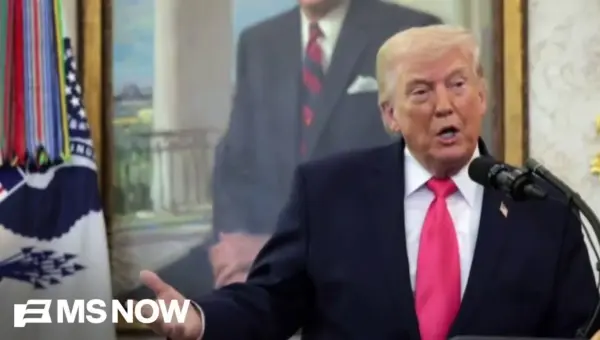
New polling indicates President Trump's approval rating has fallen to 37 percent as a significant majority of Americans disapprove of his handling of the war in Iran. The economy remains the top concern for voters, though confusion persists regarding the rationale behind the conflict with Iran. This lack of public support contrasts with historical doctrines for engaging in military action.

US Seizes Ship, Puts Iran Talks and Ceasefire on Knife’s Edge
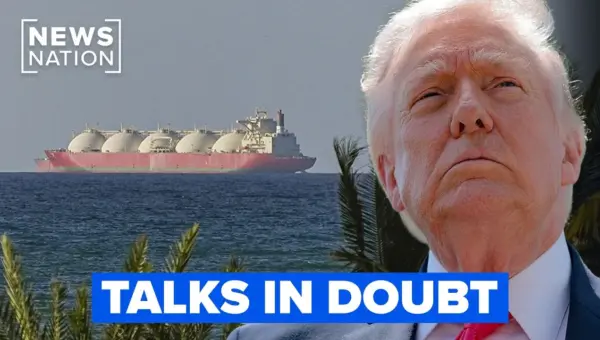
The U.S. seized an Iranian cargo ship, threatening to derail planned peace talks and a crucial ceasefire. Iran has vowed retaliation, while the U.S. warns of military action if diplomacy fails. This incident raises global concerns about Middle East stability and trade.


Iran Tensions Flare as US Seizes Ship; Polls Show Trump Approval Drop
Tensions between the U.S. and Iran escalated this weekend as American forces seized an Iranian-flagged cargo ship. The incident adds new uncertainty to upcoming peace talks and comes as President Trump's approval rating drops to a new low. Meanwhile, a tragic mass shooting in Louisiana left eight children dead, and unseasonably cold weather brought snow and frost to parts of the U.S.