Iran’s Oil Networks: Revolution’s Shadowy Financial Roots
The 1978 Iranian Revolution saw oil strikes and targeted assassinations cripple production, paving the way for figures like Ali Shamkhani to rise within new power structures. This historical context highlights the intricate link between energy resources, political upheaval, and the formation of influential financial networks.


Iran’s Oil Networks: Revolution’s Shadowy Financial Roots
The tumultuous events surrounding the 1978 Iranian Revolution, particularly the critical oil strikes and subsequent violence, offer a stark illustration of how energy resources can become central to political upheaval and the formation of powerful financial networks. The period saw the rise of figures like Ali Shamkhani, whose early involvement with clandestine groups during the revolution laid the groundwork for his later influence within Iran’s complex economic and political landscape.
The Revolution and the Oil Strike
The revolution, which began as a broad coalition against corruption and foreign influence, quickly pivoted to leverage control over the nation’s vital oil production. As the movement gained momentum, an oil strike was announced, with threats of severe repercussions for any defiance. This strategic move brought the country’s primary revenue source to a standstill, significantly impacting both domestic stability and international relations.
“When there is trouble in Iran, that is trouble for the United States. And there is big trouble in Iran now.”
The intensity of the revolutionary fervor was underscored by acts of violence targeting those perceived as obstructing the strike. Reports from the time detail instances of abuse against Americans and the throwing of stones.
More ominously, lists were posted in mosques naming individuals targeted for assassination due to their role in breaking the strikes. This atmosphere of intimidation and targeted violence culminated in the assassinations of key figures in the oil sector.
Assassinations and Economic Paralysis
Paul Grim, a 56-year-old American oil executive, was ambushed and killed en route to work. Simultaneously, an Iranian executive from Grim’s company was also assassinated nearby. These targeted killings, carried out by assailants with machine guns, had an immediate and devastating effect.
Oil production in Iran came to a complete halt following these events. Forty days later, the political revolution succeeded, leading to the departure of the Shah and the return of Ayatollah Khomeini from exile, ushering in the era of the Islamic Republic of Iran.
The Rise of Clandestine Groups
While the precise perpetrators of these assassinations remain a subject of historical debate, the group credited by some with carrying out these murders is Mansuroon, an Islamist guerrilla organization. This clandestine group played a role in overthrowing the monarchy in the revolution’s final days.
Their effectiveness and willingness to act decisively endeared them to Ayatollah Khomeini, who reportedly came to rely on them. Members of Mansuroon, including Ali Shamkhani, formed part of Khomeini’s entourage and security detail upon his return to Tehran, highlighting their strategic importance in the new regime.
Ali Shamkhani’s Trajectory
Ali Shamkhani, a figure now recognized for his significant role in Iran’s financial and political networks, emerged from humble beginnings. His father was a low-level merchant, and Shamkhani himself hailed from a less affluent part of the city.
At the age of 23 during the revolution, he rapidly ascended the political ladder. His involvement with groups like Mansuroon provided him with critical experience and connections that would shape his future influence within the oil sector and beyond.
Market Impact and Investor Considerations
The events of 1978-79 serve as a potent reminder of the geopolitical risks inherent in energy-rich nations. The deliberate use of oil as a political weapon, through strikes and the targeting of industry professionals, demonstrates the vulnerability of global energy markets to political instability. For investors, understanding these historical precedents is crucial for assessing the long-term risk associated with investments in regions prone to political turmoil.
The formation of powerful networks, often intertwined with clandestine operations and political factions, can significantly influence economic policy and resource allocation. Figures like Shamkhani, whose early career was forged in the crucible of revolution and violence, often rise to positions of considerable power, shaping national economic strategies. Investors must consider how political connections and historical affiliations might influence the operational environment and profitability of companies operating within or connected to such economies.
The long-term implications include the potential for sustained volatility in oil prices and supply disruptions stemming from geopolitical tensions. While the direct violence of the revolution may be a historical event, the underlying dynamics of political control over energy resources and the networks that emerge from such periods continue to be relevant. Investors should remain vigilant, conduct thorough due diligence on geopolitical risks, and diversify their portfolios to mitigate exposure to countries where energy resources are highly politicized.
Source: Iran Oil Tycoon’s Hidden Financial Networks (YouTube)

Related Articles
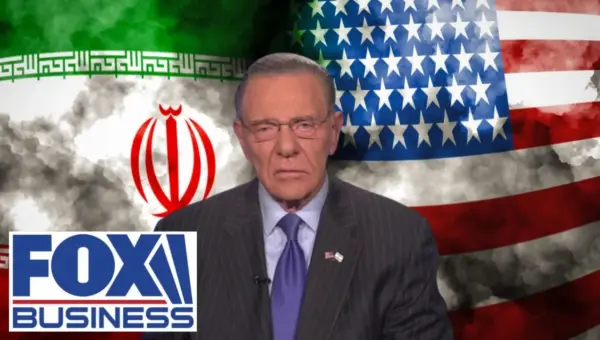
Iran Blockade Hits Oil Exports, Shifts Mideast Power Dynamics
A U.S. blockade is now in effect, stopping Iran's oil exports and significantly impacting its economy. This move aims to pressure the Iranian regime amidst stalled negotiations. The blockade has led to a slight drop in oil prices, suggesting market anticipation of eased supply concerns, though geopolitical risks remain.
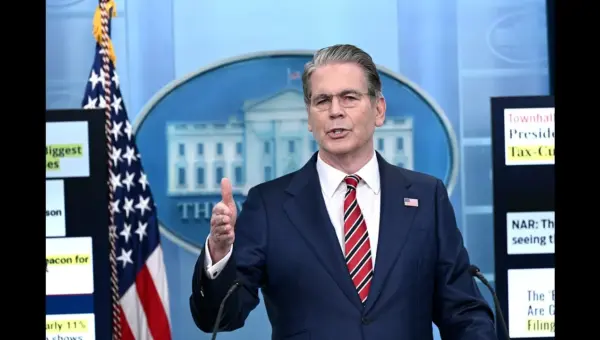
US Threatens China Banks Over Iran Business Deal
The US is warning Chinese banks against doing business with Iran, threatening "secondary sanctions" if Iranian money flows through their accounts. This move is part of the US "maximum pressure" campaign on Tehran. The strategy aims to isolate Iran economically, with China's oil purchases previously serving as a key lifeline.
Oil Prices Drop 11% As Trump’s Iran Strategy Succeeds
Oil prices plummeted 11% to $82 a barrel, defying predictions of a surge to $200. This market shift followed President Trump's successful strategy to reopen the Strait of Hormuz. Major stock indices like the S&P 500 and Nasdaq also reached record highs amid the positive developments.