Trump Ally Repeats Election Lies to Keep His Job
Kash Patel's continued promotion of 2020 election fraud claims is viewed by critics as a desperate tactic to keep his job. This strategy highlights the ongoing impact of misinformation on public trust in democratic processes. The persistence of these debunked theories raises concerns for future elections.

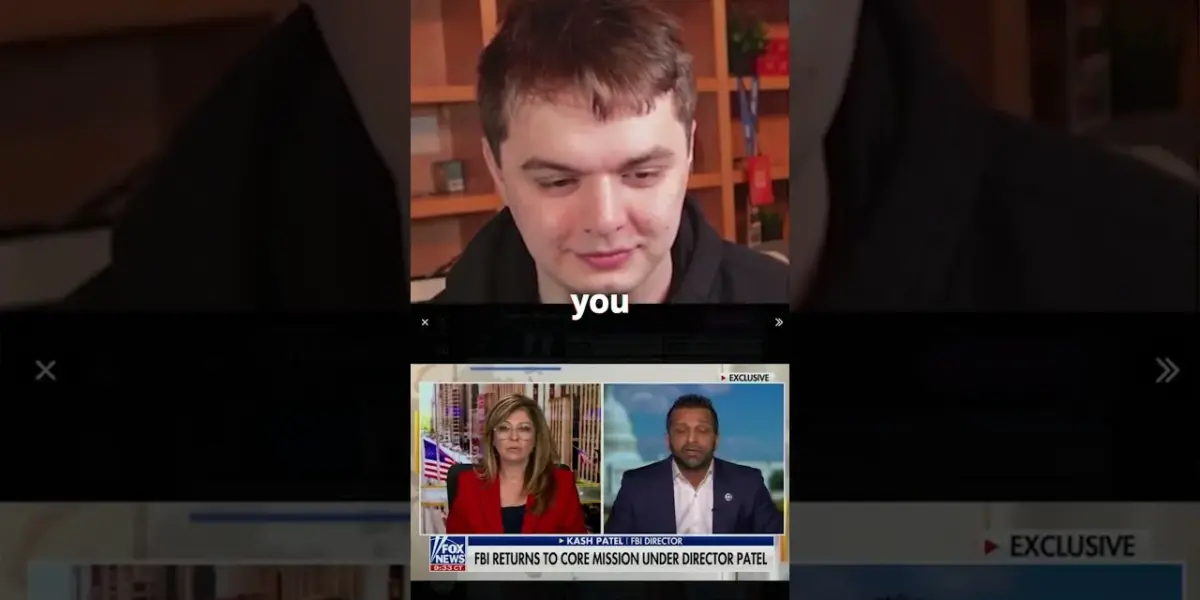
Trump Ally Repeats Election Lies to Keep His Job
Kash Patel, a former aide to President Trump, continues to promote claims that the 2020 election was rigged. This persistent focus on debunked election theories appears to be a strategy to protect his own position and appeal to former President Trump.
Patel has been a vocal supporter of Trump’s claims, even stating he was involved in efforts to expose alleged corruption during Trump’s first term. He mentions leading an effort with Congressman Trey Gowdy regarding FISA abuses. Patel feels that criticism from the media means he is on the right track, comparing it to a military tactic of continuing to attack a target.
Accusations of Deception and Desperation
Critics, like the speaker in the video, view Patel’s actions as desperate attempts to save his job. They suggest he knows he is likely to be fired and is trying to win favor by echoing Trump’s election fraud claims. This tactic is seen as dishonest and harmful to public trust.
The speaker points out the effort required to maintain a positive public image. They contrast this with Patel’s alleged behavior, suggesting he is twisting facts to uphold his image. This is seen as a way to please Trump, even if it means spreading falsehoods.
The Lingering Shadow of Election Claims
The repeated assertion that the 2020 election was stolen has become a central theme for some political figures. These claims, despite being widely disproven by courts, audits, and election officials, continue to be a talking point. This persistence has created a divide among voters and raised concerns about the health of democratic processes.
Historically, challenges to election results are not new in American politics. However, the scale and nature of the claims following the 2020 election, and their continued promotion by prominent figures, represent a significant departure. This has led to ongoing debates about election integrity and the responsibilities of public officials.
Why This Matters
The promotion of unsubstantiated election fraud claims has real-world consequences. It erodes public confidence in democratic institutions, making it harder to accept election outcomes. This can lead to political instability and a reluctance to engage in constructive policy debates.
When public figures repeatedly spread misinformation, it can influence public opinion and potentially incite actions based on false premises. For individuals like Patel, their statements carry weight and can be seen as endorsements of these unproven theories, impacting the broader political discourse.
Implications and Future Outlook
The strategy of doubling down on election lies suggests a belief that appealing to a specific base is more important than adhering to factual accuracy. This approach could encourage similar tactics from other political actors seeking to gain or maintain influence.
The ongoing focus on the 2020 election raises questions about how future elections will be perceived and accepted. It highlights the challenge of combating misinformation and the need for clear, consistent communication from trusted sources about election processes.
Historical Context and Background
Claims of election fraud have surfaced throughout American history, often following close or contentious elections. These challenges have typically been addressed through legal and established political channels.
However, the post-2020 era has seen a sustained effort to question the legitimacy of the election results. This has involved numerous lawsuits, public statements, and investigations, most of which have found no evidence of widespread fraud that would alter the outcome. The persistence of these claims, even after official refutations, marks a notable shift in political rhetoric.
The Path Forward
The current situation calls for a renewed commitment to factual reporting and critical thinking. Voters must be able to discern credible information from misinformation, especially when it comes to the fundamental processes of democracy.
As political figures continue to navigate these issues, the focus on verifiable facts will be crucial. The public’s ability to trust election results depends on the integrity of the information they receive and the actions of those in positions of power. The next election cycle will likely test these dynamics further.
Upcoming election integrity reviews will continue to be closely watched for their findings and impact.
Source: Kash Patel Pushes Election Lies to Save His Job #politics #fyp #new (YouTube)

Related Articles
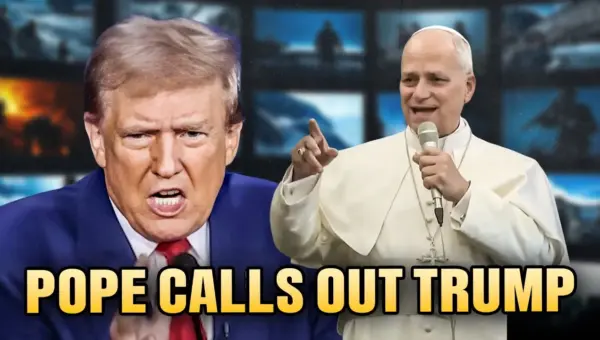
Trump’s War on Migrant Kids Follows Pope Spat
President Trump's administration cut $11 million in funding to a Catholic charity helping migrant children after a dispute with Pope Leo. This move leaves thousands of children without support and follows concerning threats against the Pope's family by his supporters.
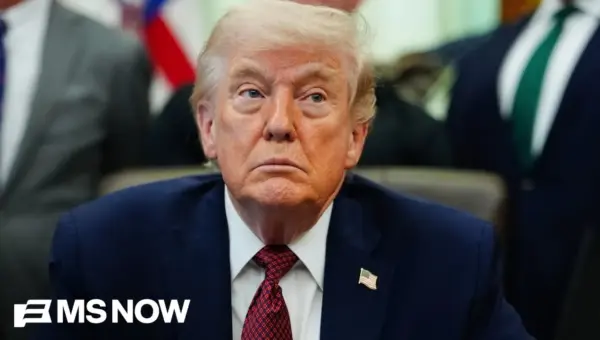
Trump Threatens Iran: “Knock Out Every Power Plant”
President Trump posted a stark warning on Truth Social, threatening to "knock out every single power plant and every single bridge in Iran" if a "fair and reasonable deal" is not accepted. Congressman Derek Tran called the threats "war crimes" and expressed deep skepticism about the administration's strategy and credibility, urging Congressional action.
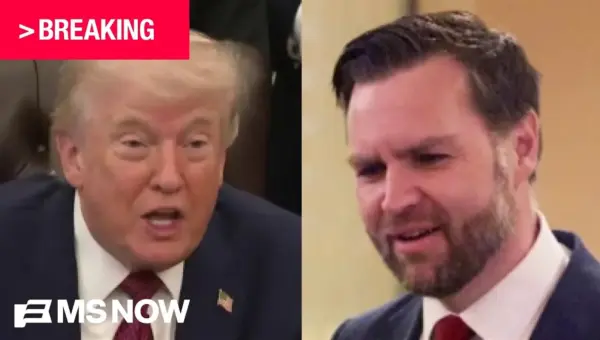
Trump Threatens Iran, Sends Kushner to Pakistan for Peace Talks
President Trump has issued a stark warning to Iran, threatening to destroy its infrastructure if a deal is not accepted, while sending negotiators Steve Wyckoff and Jared Kushner to Pakistan for peace talks. The absence of Vice President J.D. Vance from the delegation has raised questions about the potential for a successful agreement. Reports also suggest China has been providing satellite imagery to Iran, complicating the diplomatic landscape.