US Threatens Iran: “Knock Out Power Plants, Bridges”
The U.S. has threatened to strike Iran's power plants and bridges if diplomatic talks fail, following IRGC attacks on commercial shipping in the Strait of Hormuz. Iran remains defiant, asserting control over the vital waterway amidst an ongoing U.S. naval blockade.

US Warns Iran of Strikes on Infrastructure
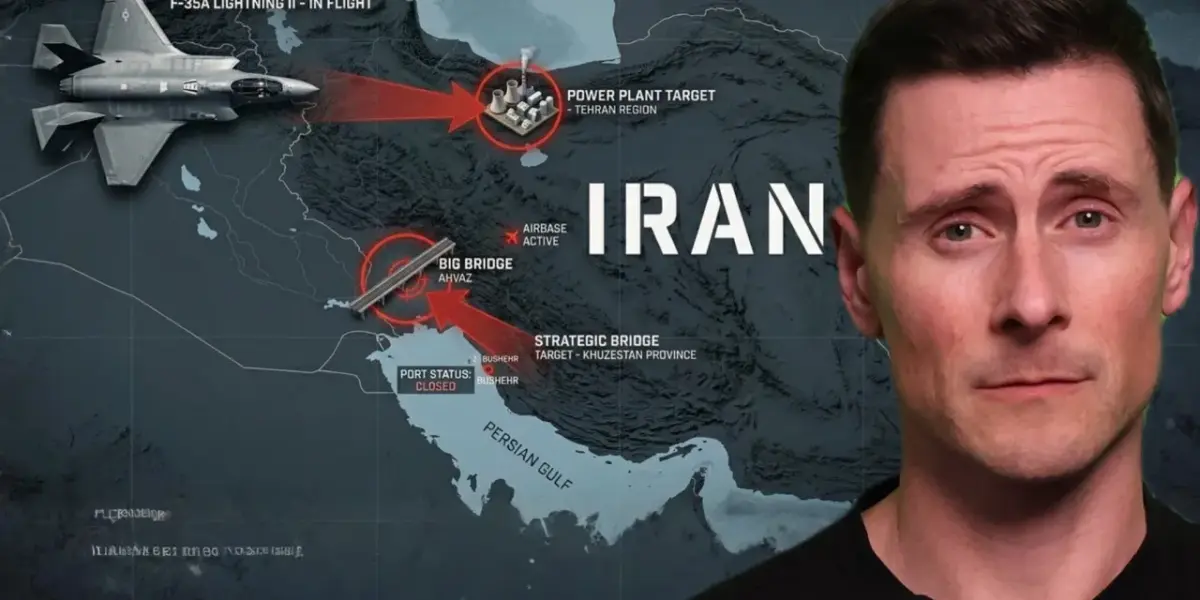
The United States has issued a stark warning to Iran, threatening to strike every power plant and bridge in the country if Tehran does not agree to a fair deal amid escalating tensions. This threat comes after Iran’s Islamic Revolutionary Guard Corps (IRGC) fired on commercial vessels in the Strait of Hormuz, a critical global oil transit route. President Trump stated that Iran’s actions, including firing on ships linked to the UK and France, were a violation of a ceasefire agreement.
The IRGC has claimed full control over the Strait of Hormuz, warning that the situation will remain unchanged until the U.S. lifts its naval blockade of Iranian ports. This blockade, according to President Trump, has already effectively closed the strait, costing Iran an estimated $500 million per day while the U.S. loses nothing. Ships are reportedly heading to U.S. ports in Texas, Louisiana, and Alaska to load cargo, benefiting from the disruption caused by the IRGC’s actions.
Strait of Hormuz Tensions Escalate
In the past 24 hours, IRGC gunboats fired on at least three tankers and container vessels attempting to pass through the Strait of Hormuz. These vessels were reportedly linked to Gulf partners, with some reports suggesting UK and French connections, though exact origins remain unclear.
The IRGC’s actions forced the ships to reverse course, causing immediate disruption to global energy supplies. This incident occurred shortly after Iran had hinted at reopening the waterway, suggesting a pattern of using the strait as leverage against the U.S. naval blockade.
The U.S. Navy maintains a strong presence in the region, with carrier strike groups, Arleigh Burke-class guided-missile destroyers, and advanced drones positioned to respond. These destroyers, considered the backbone of the surface fleet, are equipped with vertical launch systems (VLCs) holding air defense and strike missiles, along with 5-inch guns and helicopters. This naval power is intended to provide overwhelming precision in response to any further aggression.
Iran’s Defiant Stance and Strategic Context
Despite the U.S. pressure, Iran’s rhetoric remains defiant. An IRGC spokesman claimed Iran’s drone strikes were aimed at “US and Zionist criminals.” Iran’s security chief suggested that the U.S. could not even secure its own forces in the Gulf, referencing past ballistic missile attacks on aircraft in the region. Iran’s military leadership, including Supreme Leader Majaba Kmeni, has boasted about their navy’s capabilities and their strategy of asymmetric warfare.
One Iranian official, Galabath, stated that while Iran is outmatched in resources, their strategy and preparation have forced adversaries back. He criticized U.S. strategic decisions and claimed the U.S. misunderstands the Iranian people, citing the willingness to use human shields. Galabath also accused Israel of acting as Washington’s agent and influencing U.S. decisions with misleading information.
U.S. Military Capabilities and Potential Response
The U.S. military is prepared to respond with precision strikes targeting infrastructure that sustains Iran’s military operations. This includes power plants and bridges directly linked to the IRGC’s war machine. Such targeted strikes would aim to cripple Iran’s ability to threaten shipping and launch missiles, impacting command bunkers, logistics hubs, and ammunition depots, particularly around the Strait of Hormuz.
The U.S. Navy employs advanced systems like the Aegis combat system on its Arleigh Burke-class destroyers, which act as a radar blanket over key areas. This system can detect drones, both airborne and sea-skimming, as well as submarines.
Carrier-based aircraft, including F-18s and F-35s, operate in conjunction with these systems, providing surveillance and strike capabilities. Advanced drones, such as the RQ-4 Global Hawk and potentially sea-skimming drones like the Squire, are likely being deployed to monitor the region.
Strategic Implications and Negotiations
The U.S. strategy appears to be one of measured pressure, using the naval blockade to contain Iran’s energy exports while signaling a willingness for surgical strikes on military-supporting infrastructure. This approach offers Iran an “off-ramp” to de-escalate through negotiations without losing face. The U.S. aims to protect global energy flows and ensure the Strait of Hormuz can be reopened safely.
However, the likelihood of successful negotiations appears slim, with Iran’s definition of a “fair deal” likely involving a return to previous operational freedom. If negotiations fail, the U.S. military, including Marine Expeditionary Units and specialized drone systems like the Loitering Munitions, could be deployed for amphibious operations and strikes on IRGC assets. The coming hours are expected to further shape the standoff and the potential for renewed conflict.
Source: U.S. Military Is Preparing to UNLEASH On Iran's Bridges And Power Plants (YouTube)

Related Articles


Trump Threatens Iran: “Knock Out Every Power Plant”
President Trump posted a stark warning on Truth Social, threatening to "knock out every single power plant and every single bridge in Iran" if a "fair and reasonable deal" is not accepted. Congressman Derek Tran called the threats "war crimes" and expressed deep skepticism about the administration's strategy and credibility, urging Congressional action.

US-Iran Talks Stall Amid Strait of Hormuz Tensions
U.S.-Iran negotiations are faltering amidst rising tensions in the Strait of Hormuz, with Iran indicating it's not ready for new talks. The country has demonstrated an ability to disrupt global trade with limited military assets, raising questions about the credibility of U.S. administration statements on the conflict's progress.
US Navy Seizes Iranian Tanker, Escalating Maritime Tensions
U.S. naval forces have seized an Iranian-linked tanker attempting to breach a blockade near the Strait of Hormuz. The operation underscores U.S. resolve to enforce maritime control and pressure Iran over its nuclear program. Iran has rejected new nuclear talks, citing the blockade, while the U.S. continues its interdiction efforts.