Trump’s Iran Diplomacy Crumbles Amidst Global Humiliation
Headlines reveal a significant breakdown in US-Iran diplomacy, with former President Trump's announcements being denied by Iran and military advisors reportedly excluding him from key operations due to erratic behavior. This has led to a loss of global credibility and raised questions about US foreign policy effectiveness.

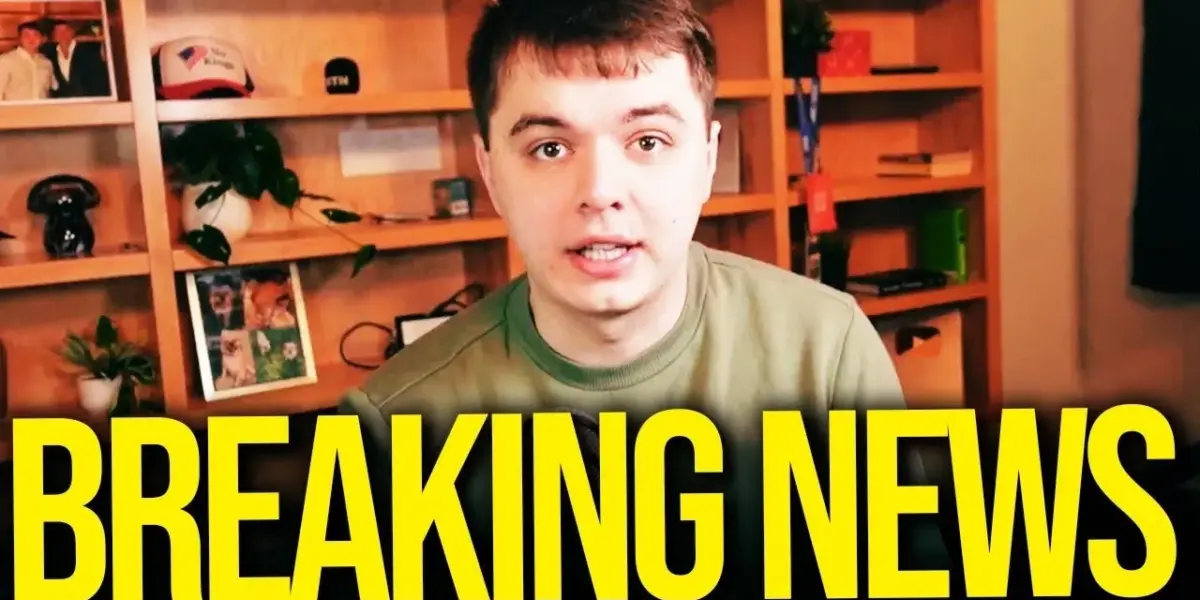
Trump’s Iran Diplomacy Crumbles Amidst Global Humiliation
Recent headlines paint a troubling picture of American foreign policy under Donald Trump, suggesting a significant loss of global standing and a series of diplomatic missteps concerning Iran. Reports indicate that key actions and announcements made by the former president have either been ignored or outright denied by Iran, leading to confusion and embarrassment on the international stage. This situation raises serious questions about the effectiveness and credibility of US foreign policy decisions.
One striking example involves the Strait of Hormuz, a critical oil shipping route. Despite Trump’s public declaration that the strait was “open for business,” reports on a Sunday showed no oil tankers crossing it. This quietest day since the conflict began directly contradicts the president’s claims, leading to accusations that the US is no longer believed.
The Iranian state news agency, IRNA, has actively denied any plans for further US-Iran talks, even as Trump announced sending delegations for negotiations. This stark contrast between US pronouncements and Iranian responses highlights a significant breakdown in communication and trust.
Diplomatic Confusion and Mistrust
The situation surrounding potential negotiations with Iran has become particularly confusing. While US and Pakistani officials reportedly declared a date for a second round of talks, Iranian sources have consistently denied any knowledge of such plans.
This lack of awareness on the part of Iran, the supposed negotiating partner, suggests a fundamental disconnect. It raises the question of who is actually making these decisions and whether proper diplomatic channels are being followed.
This apparent miscommunication is not just an embarrassment; it carries real-world consequences. By failing to secure clear agreements or even confirm ongoing dialogue, the US risks empowering Iran.
Critics argue that such actions give Iran the freedom to continue its military development, including nuclear enrichment, while maintaining control over strategic waterways like the Strait of Hormuz. This perceived lack of control and clear strategy has led some to question the very definition of victory in the ongoing conflict.
Military Advisors Exclude President
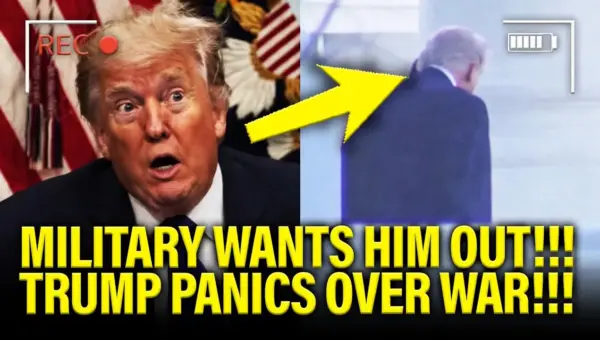
Adding to the concerns about Trump’s leadership, a Wall Street Journal report revealed that military advisors intentionally kept him out of the command room during a critical operation to rescue a downed US airman. The advisors reportedly feared his “erratic behavior” could endanger the mission.
This exclusion suggests a deep lack of confidence within the military leadership regarding the president’s judgment in high-stakes situations. Reports also indicate that officials limited the president’s access to news due to his volatile state.
This incident is seen by some as a reversal of roles. Previously, Trump was perceived as sidelining generals in favor of his own instincts and advice from figures like Netanyahu.
Now, he himself is reportedly being sidelined due to concerns about his decision-making. This dynamic points to a leadership style that can alienate key advisors and undermine the stability of crucial operations.
Eroding Global Credibility
The pattern of contradictory statements and operational exclusions suggests a broader erosion of American credibility on the global stage. The narrative of “complete and total victory” promoted by Trump often clashes with the reality reported on the ground, such as the continued closure of the Strait of Hormuz. This discrepancy leaves allies and adversaries alike questioning the reliability of US pronouncements.
Some analysts draw parallels between the current situation and the declining credibility of leaders like Israel’s Netanyahu, particularly among younger Americans. This comparison suggests that a pattern of perceived dishonesty or poor judgment can quickly damage a nation’s standing. The goal of foreign policy, they argue, should be to build trust and alliances, not to create confusion and distrust through inconsistent actions and statements.
Historical Context and Shifting Objectives
The conflict with Iran has seen shifting objectives, moving from initial calls for regime change to focusing on weapons of mass destruction, and then to less defined goals. This constant change in strategy makes it difficult to assess progress or claim victory. When the stated goals are unclear or constantly modified, it becomes hard for both domestic and international audiences to understand the purpose and success of the US involvement.
Claims of destroying Iran’s military capabilities are often met with skepticism. For example, reports of destroying Iran’s air force and navy are challenged by the fact that these assets were reportedly decades old and gifted by the US in the past. This raises questions about what has actually been achieved beyond destroying outdated equipment, especially when Iran continues to exert control over vital shipping lanes and potentially advances its nuclear ambitions.
Why This Matters
The credibility of the United States on the world stage is foundational to its ability to maintain peace and stability. When allies cannot rely on US statements and adversaries see opportunities in US disarray, the global order becomes more precarious. This situation directly impacts international trade, security alliances, and the effectiveness of diplomatic solutions to complex problems.
For the average American, this matters because a weakened global standing can lead to increased instability, potentially requiring greater military or economic commitments in the future. It also affects how the US is perceived and respected by other nations, influencing everything from trade deals to international cooperation on issues like climate change and terrorism.
Implications and Future Outlook
The current trajectory suggests a period of continued uncertainty in US-Iran relations and a potential decline in American influence. The strategy of making bold, unverified claims and then facing denial from the target nation is unsustainable for maintaining diplomatic authority. This approach can embolden adversaries and alienate allies who prefer a more predictable and consistent foreign policy.
Looking ahead, a return to more traditional diplomatic practices, emphasizing clear communication, verified intelligence, and consistent policy objectives, would be crucial for restoring credibility. The upcoming months will likely show whether the US can course-correct or if this pattern of diplomatic setbacks will continue to define its international engagement.
The situation remains fluid, with the Strait of Hormuz continuing to be a flashpoint. The effectiveness of future US policy will depend on its ability to coordinate actions with allies and communicate clearly with adversaries, moving away from pronouncements that are easily disproven.
Source: Trump SCREWS UP BAD as Iran REJECTS HIM (YouTube)

Related Articles

Ukraine Fights On Amid Shifting US Support
Ukraine demonstrates growing self-reliance amidst shifting U.S. support, bolstered by EU aid and its own emerging military tech exports. Russia's demands remain firm, while Iran leverages control of the Strait of Hormuz. President Trump faces domestic and foreign policy challenges.

GOP Eyes Supreme Court as Senate Control Slips Away
Democrats are gaining ground in the race for Senate control, prompting Republicans to shift focus to the Supreme Court. With key conservative justices aging, the GOP aims to secure future appointments if they maintain power. Meanwhile, Justice Clarence Thomas's controversial speech on progressivism has drawn sharp criticism.
Military Leaders Try to Block Trump’s War Escalation
Military leaders are reportedly trying to sideline Donald Trump from war discussions due to his erratic behavior. Meanwhile, Trump issues escalating threats against Iran, while Iran rejects his claims and refuses to negotiate under current conditions. Upcoming talks in Pakistan face an uncertain future.