Poll: Americans Trust Scientists Over RFK Jr., Medical Figures
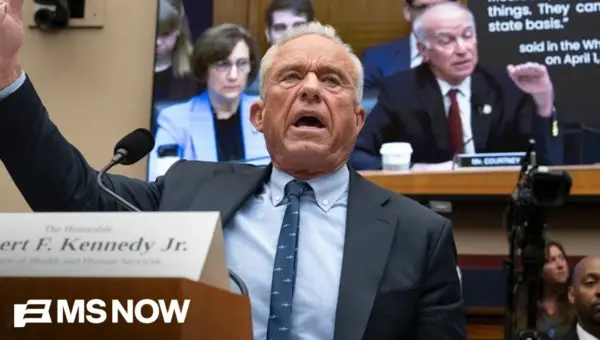
A new University of Pennsylvania poll indicates that Americans place more trust in scientists at federal health organizations than in figures like Robert F. Kennedy Jr. While 67% have confidence in CDC and FDA scientists, personal doctors and established medical groups also command high public trust. The survey raises questions about the actual impact of initiatives like RFK Jr.'s proposed nutrition education reforms in medical schools.

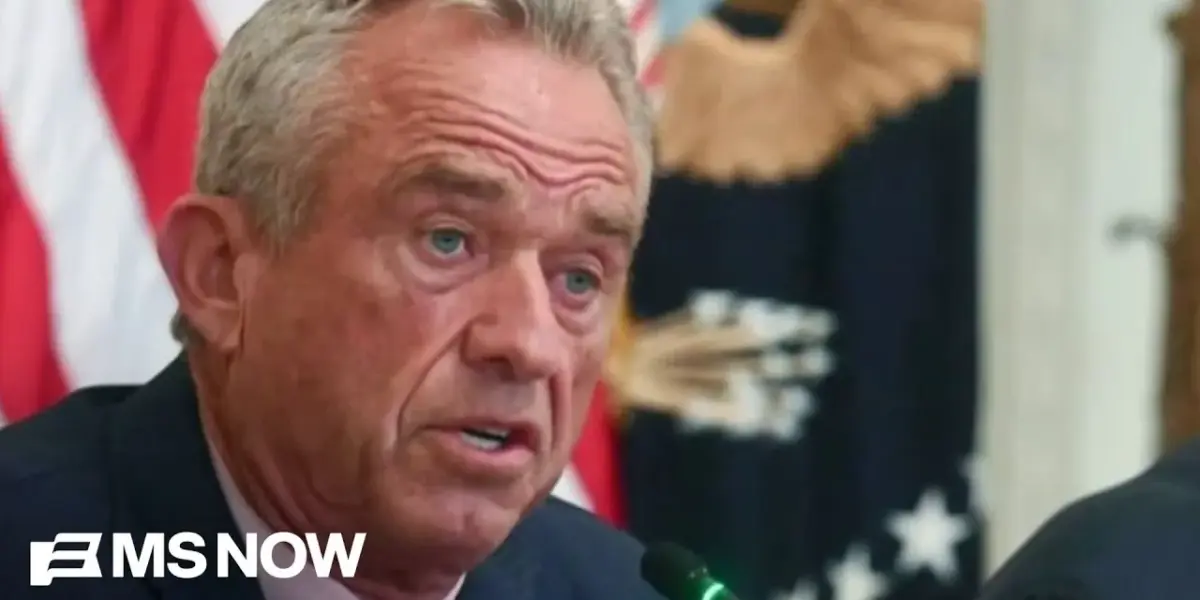
Americans Favor Health Agency Scientists Over RFK Jr. In New Poll
New polling data from the University of Pennsylvania reveals a significant trust gap in the United States, with a majority of Americans expressing more confidence in scientists at federal health organizations than in figures like Robert F. Kennedy Jr. And some Trump-appointed leaders of these agencies. The survey indicates that while 67% of Americans have confidence in scientists working at institutions such as the Centers for Disease Control and Prevention (CDC) and the Food and Drug Administration (FDA), only about 4 in 10 trust the administrators of these agencies, and even fewer appear to trust outspoken critics like Kennedy Jr. And his associates.
Public Confidence in Medical Professionals Remains High
The survey, which sampled over 1500 adults nationwide, highlights a strong and consistent trust in personal healthcare providers. A substantial 86% of respondents reported having some degree of confidence, either somewhat or very confident, in what their own personal doctor advises them on medical issues.
This high level of trust extends to established medical organizations and societies, such as the American Heart Association, which are seen as providing rational, apolitical health information. This finding suggests a public desire for normalcy and stability in health guidance, irrespective of political divides.
“Americans are seeing that [medical societies] are filling the breach and Americans are seeing that. And again, this is across the political divide. This is not speaking to one side of the aisle.
So I think that’s reassuring. One, that people want normalcy.
Two, they don’t want chaos. And we’re seeing this in the numbers.”
RFK Jr.’s Influence and Messaging Questioned
The poll’s findings come as Robert F. Kennedy Jr. Has become a prominent voice questioning established public health narratives, particularly concerning vaccines.
Despite his significant public profile, the survey indicates that a majority of Americans do not have confidence in his messaging or that of his key deputies. This lack of trust is particularly notable given the resurgence of vaccine-preventable diseases, such as measles, in various parts of the country, a trend that critics link to vaccine skepticism.
Focus on Nutrition Education Amidst Policy Concerns
Recently, Kennedy Jr. And his affiliated organizations have shifted focus towards promoting nutrition education in medical schools. They propose increasing the hours aspiring doctors spend learning about nutrition from the current approximate 20 hours to 40 hours over a three- to four-year curriculum. While the initiative aims to improve health outcomes by better equipping future physicians to advise patients on nutrition, experts express skepticism about the policy’s actual impact and underlying intent.
Medical analysts point out that while promoting nutrition education is generally viewed positively, the substance and effectiveness of this specific policy are questionable. Concerns have been raised about the lack of rigorous study on supplements, a popular area often discussed in alternative health circles, and the absence of discussion regarding their regulation by the FDA. The initiative does not address broader economic factors that influence dietary choices, such as the potential cuts to the Supplemental Nutrition Assistance Program (SNAP), which affects vulnerable populations’ access to fresh foods.
Economic and Insurance Barriers to Healthy Eating
The discussion also highlighted the economic realities of healthy eating. The current healthcare system often limits insurance coverage for nutrition counseling to registered dietitians, and this coverage is typically restricted to individuals with pre-existing chronic conditions like diabetes or high blood pressure, rather than the general public. This leaves many Americans without adequate access to professional nutritional guidance, even if they could afford it.
Experts argue that the emphasis on a brief nutritional chat during a short doctor’s visit overlooks the systemic economic challenges that prevent many from accessing fresh produce and healthy food options. The lack of attention to these crucial economic and insurance-related barriers suggests that the proposed nutrition education policy, while perhaps well-marketed, may not translate into meaningful improvements in public health outcomes.
Looking Ahead
As public discourse continues to grapple with trust in health institutions and scientific guidance, the University of Pennsylvania’s poll offers a clear snapshot of American sentiment. The coming months will likely see continued debate over the effectiveness of public health messaging, the role of influential figures like RFK Jr., and the practical implementation of health education policies. Attention will also remain on legislative and economic factors that significantly impact Americans’ ability to make healthier choices.
Source: Americans trust scientists more than they trust RFK Jr., polling shows (YouTube)

Related Articles
RFK Jr. Accused of Making Measles ‘Great Again’ Amid Vaccine Policy Shifts
Pennsylvania Congressman Brendan Boyle is criticizing Health and Human Services Secretary Robert F. Kennedy Jr., accusing him of policies that have led to a resurgence of measles. Boyle also condemned alleged misinformation and significant healthcare budget cuts proposed by the administration. He stated that when Medicaid cuts take effect, the public will clearly see who has been truthful about healthcare access.
Trump Taps Vaccine Advocate to Lead CDC, Shifting from Skepticism
President Trump has nominated Dr. Erica Schwartz, a vaccine supporter and former COVID-19 response official, to lead the CDC. This move signals a potential shift away from vaccine skepticism within his political circle. However, experts like Dr. Chris Pernell express cautious optimism, emphasizing the need for vigilance due to ongoing concerns about leadership influenced by anti-science views.


New CDC Chief Faces Trust Crisis Amid Disease Resurgence
Dr. Erica Schwarz has been nominated to lead the CDC amid a measles resurgence and significant leadership instability. Her confirmation hinges on her ability to restore public trust and protect scientific independence from political pressure.