Iran Strikes US Base: Escalation or Provocation?
Reports of an Iranian strike on a US base in Kuwait, met with US B-2 bomber deployments, signal a dangerous escalation. This analysis delves into the historical context, potential motivations, and far-reaching implications of this critical development in US-Iran relations.

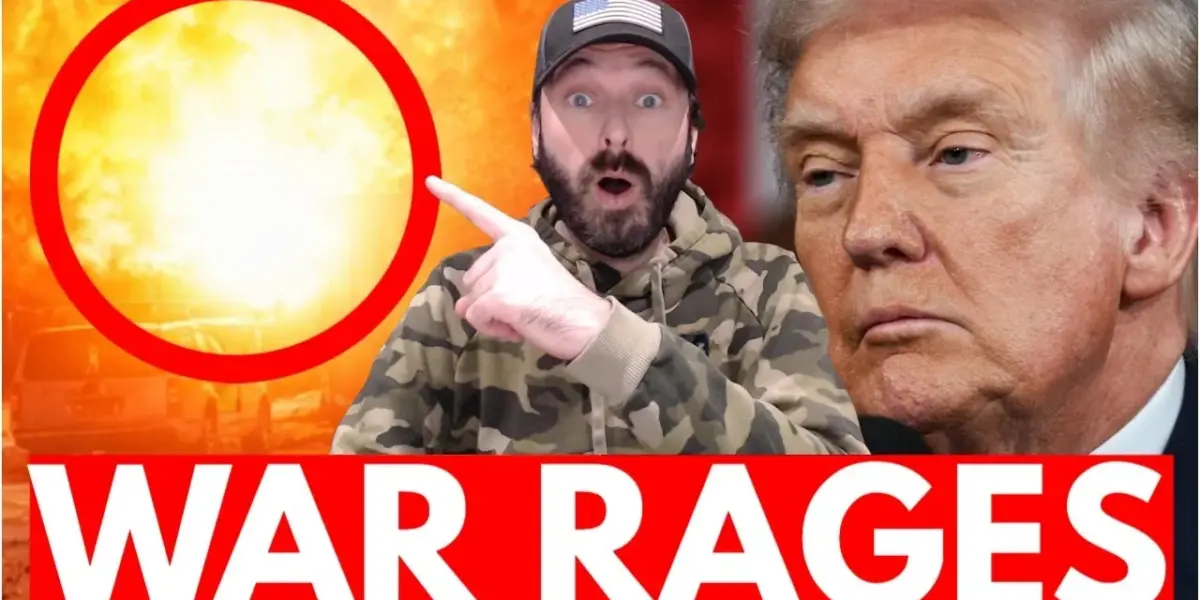
Iran Strikes US Base: Escalation or Provocation?
The simmering tensions in the Middle East have once again flared, with reports indicating that an Iranian strike has hit a United States military base. This development, if confirmed, marks a significant escalation in the ongoing conflict, raising critical questions about the motivations behind the attack and the potential ramifications for regional and global stability. The United States, in response, has reportedly been conducting its own operations, “lighting up targets” in what is described as a show of force, including the deployment of B-2 bombers.
A New Phase of Confrontation?
The reported strike on a US base in Kuwait is a clear reminder of the volatile nature of the geopolitical landscape in the Middle East. While the transcript doesn’t provide specifics on the nature or extent of the damage, or confirm the exact perpetrator beyond implying Iranian involvement, the mere fact of a direct hit on a US installation is a critical development. Such an action, if originating from Iran, could be interpreted in multiple ways: as a retaliatory measure for perceived US aggression, a deliberate attempt to widen the conflict, or a calculated act of defiance aimed at demonstrating Iran’s military capabilities and willingness to engage directly.
The mention of B-2 bombers “roaring” suggests a robust US military response, potentially signaling a readiness to engage in a more significant confrontation. The deployment of such advanced strategic assets highlights the seriousness with which the US military is treating the situation. However, the effectiveness and strategic impact of these retaliatory actions remain to be seen, and whether they serve to deter further attacks or provoke a more severe response from Iran is a key question.
Historical Context: A Long and Winding Road
The current friction between the United States and Iran is not a new phenomenon. It is the culmination of decades of complex and often adversarial relations, punctuated by periods of intense hostility and proxy conflicts. Key historical moments, such as the 1953 coup that overthrew Prime Minister Mohammad Mosaddegh, the Iranian Revolution of 1979, the Iran-Iraq War, and the subsequent imposition of sanctions, have all shaped the current dynamic.
More recently, the US withdrawal from the Joint Comprehensive Plan of Action (JCPOA) in 2018 and subsequent “maximum pressure” campaign have further exacerbated tensions. Each escalation, whether through direct military action or indirect confrontation, adds another layer to this deeply entrenched rivalry.
Analyzing the Iranian Perspective
From Iran’s perspective, such an action, if carried out by them, could be framed as a defensive posture against what they perceive as unwarranted US military presence and aggression in the region. Iran has long viewed US military bases and operations in its vicinity as a direct threat to its national security.
The deployment of B-2 bombers, capable of delivering nuclear payloads, could be seen by Tehran as particularly provocative. Therefore, a strike could be an attempt to deter further US actions, signal red lines, or rally domestic support by demonstrating strength against a perceived foreign adversary.
The US Stance and Response
The United States, on the other hand, operates under the principle of protecting its interests and allies in the Middle East, which it views as vital to global security and economic stability. Its military presence is often justified as a means to counter threats from Iran and its proxies, ensure freedom of navigation, and support regional partners.
The “lighting up targets” narrative suggests a swift and decisive response, aimed at degrading Iranian military capabilities and deterring future attacks. The involvement of B-2 bombers signifies a high level of strategic commitment and a readiness to project power.
Potential Implications and Future Outlook
The implications of this reported strike are far-reaching. Firstly, it raises the specter of a wider regional conflict, potentially drawing in other countries and exacerbating existing fault lines.
Secondly, it could lead to a further tightening of sanctions and increased international pressure on Iran, or conversely, a more direct and potentially devastating military response from the US. Thirdly, it has significant implications for global energy markets, as any major disruption in the Middle East can lead to volatile oil prices.
The future outlook is uncertain and hinges on how both sides choose to de-escalate or escalate. A diplomatic channel, however strained, remains crucial for preventing a full-blown war.
The international community, particularly key global powers, will likely play a role in mediating or influencing the trajectory of the conflict. The coming days and weeks will be critical in determining whether this incident is a contained exchange or the beginning of a more perilous chapter in US-Iran relations.
Why This Matters
This incident, if it represents a direct Iranian strike on a US base, matters because it signifies a potential crossing of a significant threshold in the long-standing conflict between Iran and the United States. It moves beyond proxy skirmishes and rhetoric to a more direct confrontation.
The consequences of such an escalation are dire, not only for the immediate parties involved but for the entire Middle East and global security. Understanding the context, motivations, and potential responses is vital for comprehending the complex dynamics at play and the precarious state of international relations in a critical region.
Conclusion
The reported Iranian strike on a US base in Kuwait, coupled with the US response involving B-2 bombers, paints a picture of a rapidly evolving and dangerous situation. While the full details and official confirmations are awaited, the mere reportage demands careful analysis.
It is a moment that calls for strategic restraint, clear communication, and a renewed focus on de-escalation to avert a wider catastrophe. The world watches, hoping that cooler heads will prevail in the face of escalating military posturing.
Source: Iran HAMMERS U.S. Base – B-2 Bombers ROARING | Emergency Live Stream (YouTube)

Related Articles


Strait of Hormuz Closure Threatens Global Energy Supply
The Strait of Hormuz faces a critical disruption following attacks on ships and a U.S. boarding of an Iranian tanker. The IEA warns energy output could take two years to restore, potentially impacting global markets.

Trump’s Erratic Behavior Fuels Global Unease, Domestic Doubts
Donald Trump's recent public statements and actions are causing significant concern among world leaders and raising questions at home. His frequent outbursts on Truth Social, particularly regarding international affairs, suggest a leader under immense pressure. These displays often come across as desperate attempts to project strength while privately facing considerable challenges.

Trump Threatens Iran: “Blow Up Every Power Plant”
President Trump has issued a stark warning to Iran, threatening to "blow up every power plant and bridge" if a deal is not signed amid a naval blockade. This comes as U.S. forces intercepted an Iranian cargo ship, escalating regional tensions. Despite this, a strong earnings outlook for the oil sector provides a contrasting positive economic signal.