Mideast Erupts: US Jet Crash, Iran’s New Leader, and Global Markets Reel
Reports of a US jet crash, Iran's potential new hardline leader, and a devastating US strike on a school have intensified Middle East tensions. Global markets react with sharp declines as Iran retaliates with missile and drone attacks.


Middle East on Brink as Tensions Flare: A Nation’s Response to Crisis
The geopolitical landscape is once again a volatile chessboard, with recent events in the Middle East painting a grim picture of escalating conflict and shifting alliances. Reports of a US fighter jet crashing in Iraq, initially met with official denials that later shifted to a more nuanced statement about a jet not being shot down, highlight the fog of war and the challenges of transparent communication in times of crisis. This incident, though unconfirmed in its specifics, adds another layer of unease to an already fraught region.
Homeland Security Shake-up Amidst Campaign Controversy
Domestically, the United States is witnessing a significant shift within its homeland security apparatus. Secretary Christine Nome has been ousted following revelations of a $225 million Department of Homeland Security (DHS) advertising campaign, reportedly approved by President Trump, which featured her prominently. This move signals a potential pivot in the administration’s approach to national security messaging and personnel.
Trump’s choice to replace Nome with Oklahoma Senator Mark Wayne Mullen, effective March 31st, and to assign her a new role as special envoy for a newly conceived initiative, the “Shield of the Americas,” suggests a strategic realignment. The nature and purpose of this new initiative remain to be seen, but its creation in the midst of heightened international tensions is noteworthy.
Iran’s Succession and a President’s Asserted Influence
In Iran, the potential ascension of Majaba Kamon, son of the late Ayatollah killed in previous US strikes, to the position of Supreme Leader is a development of significant consequence. Analysts caution that Kamon may adopt an even more hardline stance than his father, potentially intensifying regional animosities. Adding a provocative dimension to this succession, President Trump has publicly suggested he should have a say in Iran’s next Supreme Leader’s selection, deeming the current process “unacceptable.” This assertion of influence over another nation’s internal leadership selection process is a bold and unprecedented move, raising questions about international sovereignty and diplomatic norms.
Devastating Strike and a Unified Response
Further complicating the situation, The New York Times has confirmed reporting that US forces, during strikes targeting an IRGC base in Manbij, Iran, inadvertently bombed a school, resulting in over 150 reported fatalities. This tragic incident, rather than fracturing the Iranian government as some might have predicted, appears to have galvanized support.
Analysts suggest that the incident has led to a greater sense of national unity, with supporters rallying around the deceased Ayatollah as a martyr. This outcome highlights the unpredictable nature of conflict and the potential for unintended consequences that can strengthen, rather than weaken, a targeted regime.
Iran’s Retaliation and a Global Economic Shockwave
Iran has responded with a barrage of ballistic missiles and drones across the Middle East. Explosions have been reported in Abu Dhabi, and a significant fire erupted at the Bahrain Petroleum Company refinery after being struck by missiles. Visual evidence suggests Iranian missiles traversed Jordanian airspace, and there are indications of targeting infrastructure near an airport in Azerbaijan.
The rhetoric from Iran has also intensified, with a senior cleric openly calling for violence against both Israel and President Trump on state television, framing the current situation as a “great test” for the nation. The Iranian Foreign Minister has explicitly rejected any notion of ceasefire talks, asserting that no negotiations are underway and no pause in fighting has been agreed upon.
Kurdish Entanglement and Geopolitical Pawns
The Trump administration is reportedly pressuring Kurdish forces to initiate a ground invasion of Iran. However, Kurdish leadership appears hesitant, a sentiment echoed by Iraq’s Kurdish First Lady, who publicly implored President Trump to cease using Kurdish forces as “geopolitical pawns.” This plea highlights the precarious position of the Kurds, who often find themselves caught in the crossfire of larger regional power struggles. The circulation of claims that Kurdish forces had already entered Iran, which now appear to be false, raises concerns that such leaks may have been intentionally orchestrated by the US to provoke further Iranian retaliation.
Economic Repercussions and Market Volatility
The escalating conflict is not confined to the battlefield; it is sending shockwaves through the global economy. Gas and oil prices have skyrocketed, with current prices surpassing those seen before President Trump took office.
US financial markets have reacted sharply to the intensifying war, with the Dow Jones Industrial Average experiencing a significant drop of nearly 1,000 points at one stage, ultimately closing down approximately 800 points. This market volatility is a stark indicator of the global economic instability precipitated by the conflict.
Why This Matters
This confluence of events highlights several critical issues. Firstly, the potential for miscalculation and unintended escalation in the Middle East remains exceedingly high. The reported civilian casualties from the US strike, even if accidental, can serve as potent propaganda and galvanize opposition.
Secondly, the assertion of influence over another nation’s leadership selection process by a global power like the US is a dangerous precedent that could destabilize international relations further. Thirdly, the economic consequences of regional conflicts are far-reaching, impacting global energy markets and financial stability, as evidenced by the sharp downturn in US markets.
The situation also brings into sharp focus the vulnerability of civilian populations and the ethical dilemmas of using proxy forces in complex geopolitical maneuvers. The potential for a more hardline Iranian leadership, coupled with an assertive US foreign policy, creates a volatile mix that demands careful diplomatic navigation.
Implications, Trends, and Future Outlook
The current trajectory suggests a period of prolonged instability in the Middle East. The hardening of rhetoric and the intensified military actions on both sides indicate a potential for further escalation. The unified response within Iran following the perceived martyrdom of its leader, contrasted with the US administration’s aggressive stance, points to a deepening ideological divide.
The economic fallout, particularly in energy prices, will likely have ripple effects globally, potentially impacting inflation and economic growth. The future outlook is uncertain, but it is clear that de-escalation will require significant diplomatic effort and a willingness to engage in dialogue, rather than solely relying on military pressure and assertive pronouncements. The role of regional actors, such as the Kurds, and their ability to resist being drawn into larger conflicts will also be a crucial factor in shaping future events.
Historical Context and Background
The current tensions are deeply rooted in a complex history of regional rivalries, external interventions, and ideological conflicts. The US-Iran relationship, in particular, has been fraught with tension since the 1979 Iranian Revolution. Past US administrations have engaged in various forms of intervention and support for opposition groups, while Iran has consistently viewed such actions as threats to its sovereignty.
The recent targeted killing of the Iranian Ayatollah by the US is a significant escalation, building upon years of sanctions and proxy conflicts. The dynamics between Iran and its neighbors, as well as the historical role of various ethnic and political groups like the Kurds, further complicate the regional security architecture. Understanding these historical underpinnings is crucial to comprehending the current crisis and its potential ramifications.
Source: BREAKING NEWS UPDATES — 3/5/26 — 5:35pm ET (YouTube)

Related Articles
Strait of Hormuz Closure Threatens Global Energy Supply
The Strait of Hormuz faces a critical disruption following attacks on ships and a U.S. boarding of an Iranian tanker. The IEA warns energy output could take two years to restore, potentially impacting global markets.
Trump’s Erratic Behavior Fuels Global Unease, Domestic Doubts
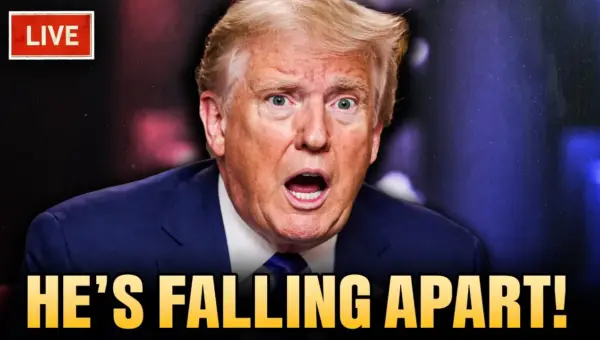
Donald Trump's recent public statements and actions are causing significant concern among world leaders and raising questions at home. His frequent outbursts on Truth Social, particularly regarding international affairs, suggest a leader under immense pressure. These displays often come across as desperate attempts to project strength while privately facing considerable challenges.
Trump Threatens Iran: “Blow Up Every Power Plant”
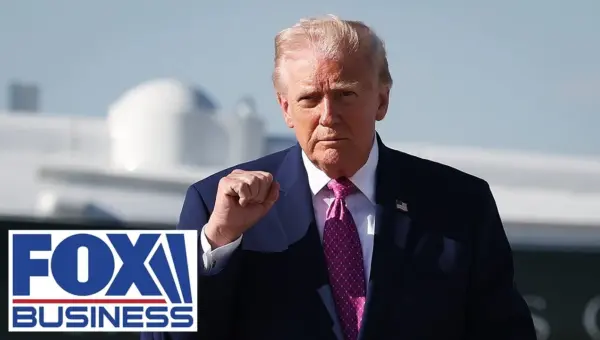
President Trump has issued a stark warning to Iran, threatening to "blow up every power plant and bridge" if a deal is not signed amid a naval blockade. This comes as U.S. forces intercepted an Iranian cargo ship, escalating regional tensions. Despite this, a strong earnings outlook for the oil sector provides a contrasting positive economic signal.