Iran Under Fire: Airstrikes Intensify Amidst New Retaliatory Wave
Iran is facing intense airstrikes from the U.S. and Israel while launching its own retaliatory attacks, escalating regional tensions. The conflict has led to evacuations, the deployment of allied military assets, and the tragic loss of six U.S. soldiers. Diplomatic efforts appear stalled as the situation intensifies.

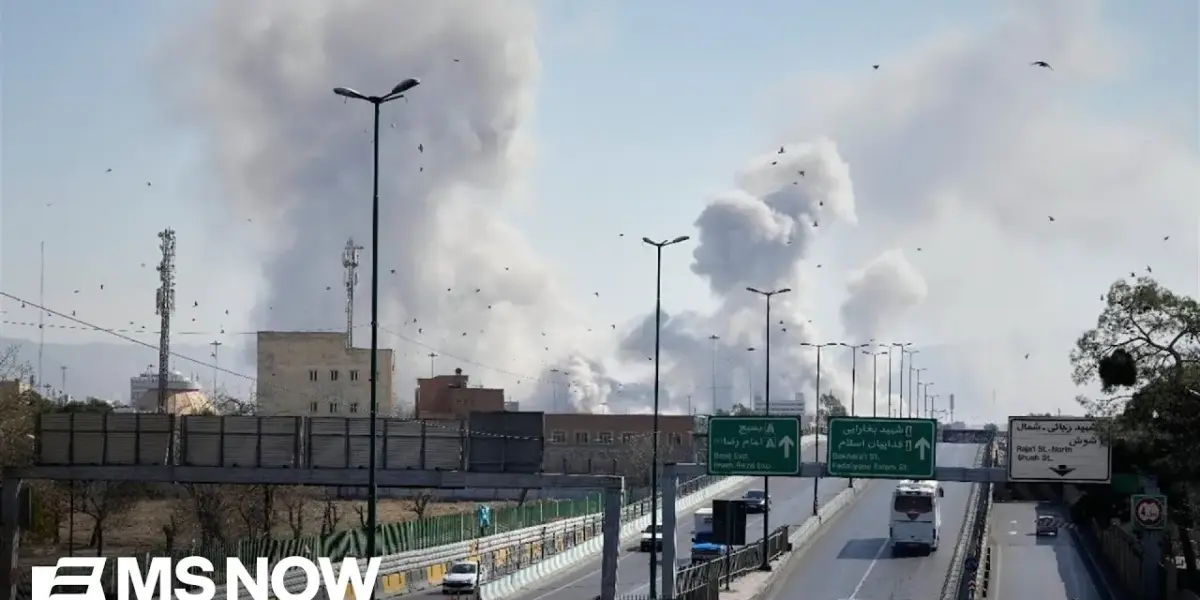
Region on Edge as U.S. and Israel Strike Iran, Escalating Conflict
Jerusalem – The Middle East is gripped by escalating tensions as Iran faces a barrage of airstrikes from the United States and Israel, while simultaneously launching its own wave of retaliatory attacks. The ongoing conflict, now nearly a week old, has prompted international concern, with France and the U.K. Deploying additional military assets to the region. Fresh explosions have been reported in Qatar and Bahrain, highlighting the widening scope of the hostilities.
U.S. Defense Secretary Highlights Western Hemisphere Focus Amidst Airstrikes
In a notable address in Doral, Florida, U.S. Defense Secretary Pete Hegesek spoke at a SOUTHCOM conference focused on counter-narcotics operations. Coincidentally, his remarks touched upon the historical U.S. Foreign policy tendency to prioritize overseas conflicts over Western Hemisphere security. This perspective gains added weight as the U.S. and Israel continue their aerial campaign against Iran, a development that has stretched into its first week with no clear end in sight.
“It’s hard not to listen to those words, while looking at what we are watching unfolding through the U.S. and Israeli airstrikes that are ongoing,” stated a senior White House reporter, drawing a parallel between the defense secretary’s commentary and the current geopolitical crisis.
Evacuations Underway as Allies Strengthen Regional Presence
The escalating conflict has led to significant logistical challenges and heightened security concerns. The Israeli government has initiated repatriation flights to bring citizens stranded abroad back home.
Meanwhile, the U.S. State Department confirmed that the first flight evacuating Americans from the region departed overnight, though specific details regarding its origin and destination were withheld due to security reasons. This comes as the administration faces criticism for its initial response to the crisis and the perceived lack of a comprehensive evacuation plan.
Americans in Israel have reportedly been advised to make their own arrangements for departure, with the embassy unable to assist directly with evacuations. Instead, they have been directed to contact the Israeli Ministry of Tourism, which is operating shuttle services to land border crossings. Reports indicate that three shuttles departed Jerusalem for the Taba border crossing into Egypt, carrying individuals from various nationalities, including Americans, Italians, Dutch, and Germans.
Six U.S. Soldiers Killed; Identities Released
Tragically, the initial Iranian counterattacks resulted in the deaths of six U.S. Army soldiers. The identities of all six have now been confirmed.
Major Jeffrey O’Brien of Waukee, Iowa, and Chief Warrant Officer Robert Marzin of Sacramento, California, were identified late last night. All six soldiers were part of the same Army Reserve unit, the 103rd Sustainment Command, based in Des Moines, Iowa.
The sister of 20-year-old Declan Cody, also from Des Moines, shared a heartfelt tribute: “Declan was a man of few words more often than not, but if you ever had the chance to talk to him about something he was passionate about, you were lucky. He was so smart and could just talk your ear off for hours about what he loved.
He was truly a rock in all of our lives and was just the most amazing brother and son my family could have asked for. Truly heartbreaking, just 20 years old.”
NATO’s Limited Role Amidst European Divisions
While France, the U.K., and Italy are reportedly sending military assets to Cyprus, the broader role of NATO in the escalating conflict appears limited. Experts suggest that NATO involvement will likely remain minimal, with European nations holding divergent views on the U.S. and Israeli actions. While Canada and Australia have expressed support, France, Germany, and the U.K. are said to be contemplating the necessity and potential outcomes of the military engagement.
“There won’t be much NATO involvement,” commented Aaron David Miller, a senior fellow at the Carnegie Endowment for International Peace and former State Department advisor. “The Europeans have, I think, had extremely mixed views about what the Americans have done.”
Uncertainty Surrounds Iran’s Future Leadership
The elimination of key Iranian leaders, including Supreme Leader Ali Khamenei, has raised questions about the future leadership of the country. Experts believe the Iranian regime, despite internal complexities and redundancies, has long prepared for such scenarios. The current situation is described as being in its early stages, marked by significant uncertainty.
“Most of the conventional wisdom from Iranian experts I THINK IT’S A MULTI-LAYERED SYSTEM, RIGHT? ALMOST HALF-A-CENTURY OF INTERSECTION BETWEEN THE CLERICS, THE MULACRACY, SECURITY SERVICES AND THE POLITICAL ELITES.
AND YOU HAVE REDUNDANCY. THE IRANIANS HAVE PREPARED FOR THIS LONG AND HARD,” Miller explained.
He suggested that the elimination of Khamenei might have been triggered by a perceived opportunity, potentially influenced by a Netanyahu-Trump partnership. Miller anticipates an intensification of military operations in the coming weeks, with the U.S. Bringing in additional B-52 and B-1 bombers to expand targeting capabilities.
Diplomacy at a Standstill as Conflict Widens
With the conflict showing no signs of de-escalation, diplomatic channels appear to be largely inactive. The deputy Iranian foreign minister recently stated that there had been no outreach from either side regarding negotiations. Reflecting on past diplomatic efforts, Miller, who previously graded the U.S. Negotiation team with an ‘F’ for their handling of Iran talks, expressed skepticism about the possibility of preempting or preventing the current conflict through negotiation.
“I don’t think there was a chance that the Iranians and the Americans could have found a balance of interests at the negotiating table to preempt or prevent this conflict from taking place. I think the Iranians were prepared to go to MAKE SURE THE WAR AND MOST CERTAINLY SO IS THE PRESIDENT,” Miller concluded.
Looking Ahead: A Ramping Conflict
As the region braces for further escalation, attention will be focused on the upcoming press conference with Defense Secretary Pete Hegesek. The coming weeks are expected to see a significant ramp-up in military operations, with expanded target sets for U.S. and Israeli forces. The lack of diplomatic engagement and the widening scope of the conflict suggest a prolonged period of instability and heightened geopolitical risk.
Source: Iran pummeled by airstrikes as it launches new wave of attacks (YouTube)

Related Articles


Iran Deal Boosts Markets, Oil Prices Drop
President Trump's announcement of progress in Iran has spurred a global market rally, with oil prices falling significantly. Initial earnings reports show strong corporate growth, and analysts believe there is further upside potential for the market. The U.S. is also focusing on energy independence, which could boost national revenue.


Trump Claims Iran War Is Ending, Cites Military Might
Former President Donald Trump stated that the conflict in Iran is progressing well and should end soon. He attributed this to the strength of the U.S. military and his past economic policies. Trump believes his actions have created successful deterrence in the region.
Middle East Peace Deal Sends Oil Down, Dow Up
Signs of peace in the Middle East have sent oil prices tumbling to $82 a barrel and boosted the Dow Jones Industrial Average by hundreds of points. This market shift follows intensified diplomatic efforts, driven partly by Iran's severe economic struggles. The potential for a nuclear material recovery deal and a new U.S. foreign policy approach are key developments.