F1 Roars into 2026 with Major Rule Changes and New Teams
Formula 1 is ushering in its 2026 season with the most significant rule changes in 75 years, featuring redesigned power units and lighter, more aerodynamic cars. Drivers will face new strategic challenges managing electrical energy, while the debut of Cadillac F1 adds to the season's intrigue.

F1 Roars into 2026 with Major Rule Changes and New Teams
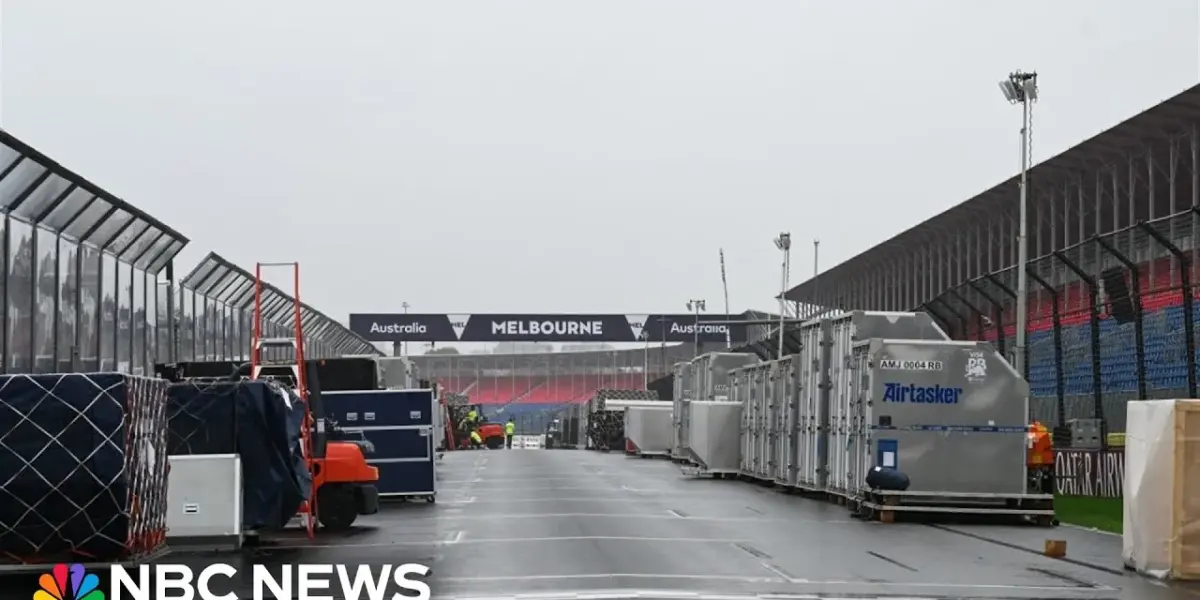
Formula 1 is set to kick off its 2026 season with a slate of transformative regulations designed to reshape the racing experience for drivers and fans alike. As the Australian Grand Prix weekend commences, the sport is abuzz with anticipation for the biggest rule overhaul in its 75-year history. These changes, ranging from lighter, more agile cars to advanced new power units, promise to usher in a new era of competition and strategic depth.
A New Generation of F1 Cars
The upcoming season will feature a host of significant technical advancements. At the forefront are the redesigned power units, which will incorporate more electrical energy.
Drivers will gain greater control over this energy through buttons on their steering wheels, shifting emphasis from throttle input to strategic deployment. This means less reliance on the gas pedal for power boosts and more on intelligent energy management.
Beyond the power units, the cars themselves are undergoing a transformation. They will be smaller and lighter, contributing to potentially faster and more dynamic racing.
A key innovation is the introduction of active aerodynamics, which will allow for more dynamic movement in the front and rear wings. This technology aims to enhance on-track battles and overtaking opportunities.
Drivers will need to master new strategic elements, such as deciding when to activate ‘overtake mode’ or deploy ‘boost mode’ using their newfound energy reserves. This strategic layer is being compared to the resource management seen in video games like Mario Kart, where timing the use of power-ups is crucial for success. The introduction of narrower tires and more sustainable fuels also underscores Formula 1’s commitment to its goal of achieving carbon neutrality by 2030.
Strategic Depth and Driver Adaptation
The emphasis on energy management is poised to fundamentally alter how drivers approach races. With increased reliance on battery power and new control interfaces, drivers face the challenge of judiciously deploying their energy.
Running out of power on straights, for instance, could leave a car vulnerable to being overtaken, making the decision of when and where to use this extra energy a critical strategic factor. Questions abound regarding the optimal use of this energy on straights versus exiting corners, and how drivers will balance immediate performance with the need to conserve power for later in the race.
This shift has sparked debate among fans and drivers. Some critics suggest that the new regulations might diminish the importance of raw, one-lap pace, a characteristic highly valued by many hardcore Formula 1 enthusiasts. However, Formula 1 CEO Stefano Domenicali has acknowledged these anxieties, describing them as natural responses to significant rule changes.
He expressed confidence that the sport will still deliver thrilling racing, exciting overtakes, and compelling challenges for drivers. Domenicali also indicated that the sport retains the ability to intervene and adjust regulations if the desired racing spectacle does not materialize.
New Entrants and Growing American Interest
Adding to the intrigue of the 2026 season is the debut of a new American team, Cadillac F1, with cars built by Andretti. This marks a significant moment for American participation in the sport and is expected to further galvanize the growing fanbase in the United States.
The increased visibility of American drivers and teams, amplified by the success of the Netflix docuseries ‘Formula 1: Drive to Survive,’ has already contributed to a surge in popularity for F1 in North America. The presence of Cadillac F1 is anticipated to build on this momentum, potentially attracting even more domestic fans to the sport.
Looking Ahead: Uncertainty and Excitement
With so many unknowns surrounding the new regulations, the opening practice sessions ahead of the Melbourne race are expected to be a period of considerable chaos and discovery. The first practice session, scheduled for Friday evening ET, will offer the first glimpse into how these complex changes translate to on-track performance.
The convergence of new technical rules, evolving driver strategies, and the arrival of new teams creates an environment ripe with anticipation. The 2026 Formula 1 season promises to be a captivating spectacle, as the sport navigates this ambitious new chapter.
Source: Biggest storylines to watch as Formula 1 races into the 2026 season (YouTube)

Related Articles
F1 Scratches Bahrain, Saudi Races Amid Mideast Conflict
Formula 1 has cancelled the Bahrain and Saudi Arabian Grands Prix due to escalating Middle East conflict following Iran's drone and missile attacks. The decision, driven by security concerns, will result in significant financial losses for F1 and its teams, as replacements were deemed logistically unfeasible on short notice.


Melbourne F1 Track Opens for Cyclists: A Smooth Ride with a Few Scrapes
Melbourne's Albert Park Circuit, home to the Formula 1 Grand Prix, is now accessible for public cycling, offering a smooth and scenic ride. A recent experience on a Lime bike revealed the track's excellent condition and tourist appeal, despite a minor fall attributed to camera adjustments.

Ex-Alabama Player Used Wigs, Makeup in $20M Loan Fraud
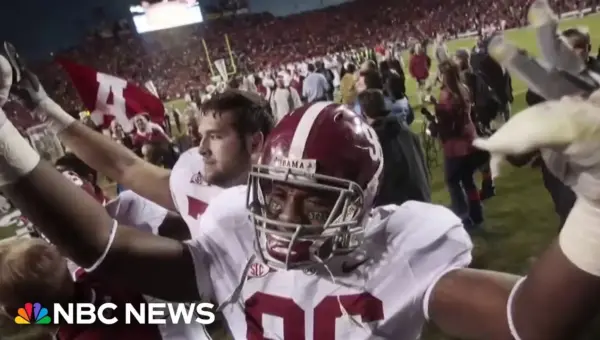
Former Alabama football player Luther Davis is accused of using makeup and wigs to impersonate NFL stars in a $20 million loan fraud scheme. Davis allegedly tricked lenders over video calls by disguising himself as famous athletes. He faces serious federal charges, including wire fraud and identity theft.