DOJ Prosecutors Resist Trump’s Demands for Biden Indictment
Federal prosecutors in Washington D.C. have reportedly refused to indict President Joe Biden for using an autopen, rebuffing a directive allegedly from Donald Trump. This decision highlights internal resistance within the DOJ to politically motivated prosecutions and underscores the role of citizen juries in checking prosecutorial power.

DOJ Prosecutors Resist Trump’s Demands for Biden Indictment
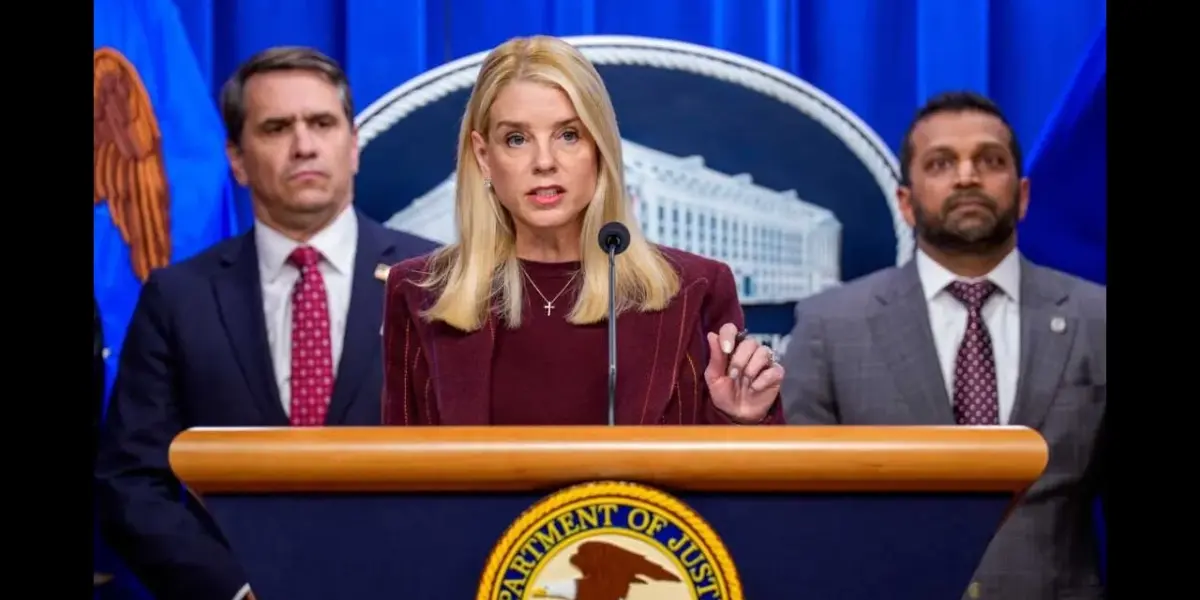
In a significant development that highlights the internal checks and balances within the Department of Justice, federal prosecutors in Washington D.C. Have reportedly declined to pursue an indictment against President Joe Biden for his use of an autopen. This decision, revealed through New York Times reporting and discussed on “The Legal Breakdown,” highlights a growing resistance to Donald Trump’s alleged attempts to leverage the DOJ for personal or political vendettas.
The Autopen Controversy: A Legal Rebuff
Donald Trump reportedly urged federal prosecutors in the U.S. Attorney’s Office for the District of Columbia to indict President Biden for using an autopen. However, the prosecutors, after reviewing the matter, concluded that there was insufficient grounds for prosecution. This stance is strengthened by the long-standing practice of nearly all U.S. Presidents utilizing autopens since their invention and a Department of Justice Office of Legal Counsel opinion affirming the legality of their use by presidents.
The refusal by these prosecutors to pursue a case based on what appears to be a politically motivated request is being framed as a crucial act of upholding the rule of law. It suggests that even within the department that Trump sought to influence during his presidency, career prosecutors are acting as a bulwark against what is perceived as lawlessness and prosecutorial abuse.
A Pattern of Resistance and Failed Prosecutions
This incident is not isolated. The analysis points to a pattern where Donald Trump’s directives for prosecuting perceived enemies have been met with resistance or failure. Examples cited include:
- The dismissal of cases brought by Trump’s appointee, Lindsey Halligan, against former FBI Director James Comey and New York Attorney General Letitia James. Federal judges swiftly threw out these cases due to procedural and legal irregularities.
- Grand jury refusals to indict six members of Congress, whom Trump had allegedly called for prosecution, including for capital offenses. Grand jurors reportedly stood firm, refusing to indict individuals who had not committed crimes.
- Trial jury acquittals in cases where indictments were secured, such as the case of a man who threw a sandwich at a police officer in Washington D.C. Juries found the defendant not guilty, indicating a lack of confidence in the prosecution’s case or its underlying intent.
These instances, according to the discussion, demonstrate that Donald Trump has been repeatedly thwarted not only by judges and juries but also by the rank-and-file members of the Department of Justice itself.
The Role of Career Prosecutors and DOJ Employees
The narrative emphasizes the resilience of the approximately 100,000 employees at the Department of Justice who were in place before Trump’s potential second term. These individuals are depicted as having “hunkered down” and continued their work serving the American people, rather than catering to the directives of a “dear leader.” Their commitment to their duties, even when facing potential repercussions, is presented as a vital safeguard.
The analysis contrasts the actions of these career professionals with those of political appointees, such as U.S. Attorney for D.C. Janine Piro, former Florida Attorney General Pam Bondi, and Todd Blanche. These individuals are portrayed as potentially more susceptible to Trump’s influence and less likely to resist his demands, even when those demands appear to be legally or ethically questionable.
Mechanics of Prosecutorial Decision-Making
The discussion digs into the procedural aspects of how U.S. Attorneys operate. While U.S. Attorneys are presidential appointees and their names appear on filings, the actual day-to-day work, including presenting cases to grand juries or conducting trials, is handled by “line attorneys” or “worker bees.”
Even if a U.S. Attorney like Janine Piro were to personally present a case, they would still be bound by Department of Justice policies, including the obligation to present exculpatory or favorable evidence to the grand jury. The transcript suggests that attempts by Piro to secure indictments in cases like those involving the six members of Congress or the “sandwich thrower” were unsuccessful, with grand juries and trial juries alike refusing to convict. This points to the grand jury acting as a “conscience of the community” and a check on prosecutorial power.
In cases where a grand jury refuses to indict for a felony, a U.S. Attorney can resort to filing a criminal complaint for a lesser charge, often a misdemeanor. However, the analysis highlights that even in such lower-level cases, juries have acquitted defendants, further undermining the prosecution’s efforts and suggesting a lack of merit in the charges themselves.
The Dilemma of Appointees and the Path Forward
The position of appointees like Janine Piro is described as a difficult balancing act. They may be under pressure to comply with directives from the highest levels of government, including from Donald Trump, while also understanding the legal and procedural hurdles that make certain prosecutions doomed from the start.
The transcript suggests that some prosecutors might use the grand jury process as a form of “top cover.” By presenting a case to the grand jury and having it rejected, they can claim that the decision was out of their hands, thereby avoiding direct confrontation with the president. This is characterized as a “weak person’s way out” of having to make a principled stand.
Ultimately, the piece concludes that the actions of the grand jurors and trial jurors, composed of ordinary citizens, represent the will of “we the people” standing against perceived lawlessness and prosecutorial overreach. The resilience of the career DOJ employees is also lauded as a critical element in maintaining the integrity of the justice system.
Why This Matters
This analysis is crucial because it touches upon the fundamental principles of justice, the rule of law, and the separation of powers within the U.S. government. The potential for the Department of Justice to be weaponized for political purposes is a grave concern for any democracy. The reported actions of the D.C.
Prosecutors, if accurate, demonstrate a vital internal check that can prevent such abuses. It highlights the importance of an independent judiciary and an impartial prosecution service, even when faced with immense political pressure. The narrative also is a reminder that accountability within the legal system relies not just on high-level decisions but on the integrity of every individual involved in the process, from the U.S. Attorney down to the career prosecutor and, crucially, the citizen jurors.
Implications, Trends, and Future Outlook
The implications of these events extend beyond the specific case of the autopen. They speak to a broader trend of political polarization impacting the justice system. If individuals in positions of power feel emboldened to pressure the DOJ for politically motivated prosecutions, it erodes public trust in the impartiality of law enforcement and the courts.
The future outlook hinges on the continued ability of career DOJ officials and independent judicial bodies to resist undue influence. The outcomes of various cases, including those involving Janine Piro’s attempts at prosecution, suggest that the legal system has inherent mechanisms to counter overreach. However, the persistent nature of these alleged attempts highlights the need for vigilance.
The role of citizen jurors as the “conscience of the community” becomes even more significant in such contexts, serving as a final line of defense against politically motivated charges. The potential for political appointees to face consequences for not adhering to political directives, as hinted at in the discussion, also remains a factor influencing behavior within the department.
Historical Context and Background
The concept of the Department of Justice acting as an independent entity, separate from the direct political will of the President, has evolved over time. While the Attorney General is a cabinet-level position appointed by the President, the DOJ’s mission is to enforce the law and administer justice fairly. Historically, there have been instances where the independence of the DOJ has been tested, particularly during periods of intense political division or presidential scrutiny.
The Watergate scandal, for example, brought to light the dangers of the executive branch attempting to obstruct justice and use federal agencies for political ends. The current situation, as analyzed, echoes some of these historical concerns, with the added dimension of direct alleged pressure from a former president to prosecute political opponents. The reliance on grand juries and trial juries as a check on prosecutorial power is a cornerstone of the American legal system, dating back to common law traditions, ensuring that indictments and convictions are not solely the product of executive fiat but are vetted by representative bodies of citizens.
Source: “Trump attorneys say NO!” Justice Department REBUKES Trump (YouTube)

Related Articles
Trump Brokers Israel-Lebanon Ceasefire, Eyes White House Summit
President Trump has announced a 10-day ceasefire between Lebanon and Israel, inviting their leaders to the White House for potential peace talks. The truce faces challenges from Hezbollah's demands and Israel's continued occupation of some areas. Diplomatic efforts with Iran also continue, focusing on nuclear non-proliferation.
Trump Claims Tax Refunds Boost Economy, Experts Disagree
President Trump promoted tax refunds and tax-free tips during a Las Vegas speech, claiming these policies benefit Americans. However, official data shows average refunds have increased by a modest $346 this year, falling short of covering rising costs for gas and tariffs. Experts suggest economic uncertainty, not just inflation, is impacting public sentiment and business planning.

Trump Hints at UFO Cover-Up After Scientist Deaths
Ten American scientists linked to government defense and UFO programs have died or vanished mysteriously. President Trump acknowledged a meeting on the subject, hinting at serious concerns beyond mere coincidence. This situation revives long-standing questions about government transparency and UFO secrecy.