Trump Claims Tax Refunds Boost Economy, Experts Disagree
President Trump promoted tax refunds and tax-free tips during a Las Vegas speech, claiming these policies benefit Americans. However, official data shows average refunds have increased by a modest $346 this year, falling short of covering rising costs for gas and tariffs. Experts suggest economic uncertainty, not just inflation, is impacting public sentiment and business planning.

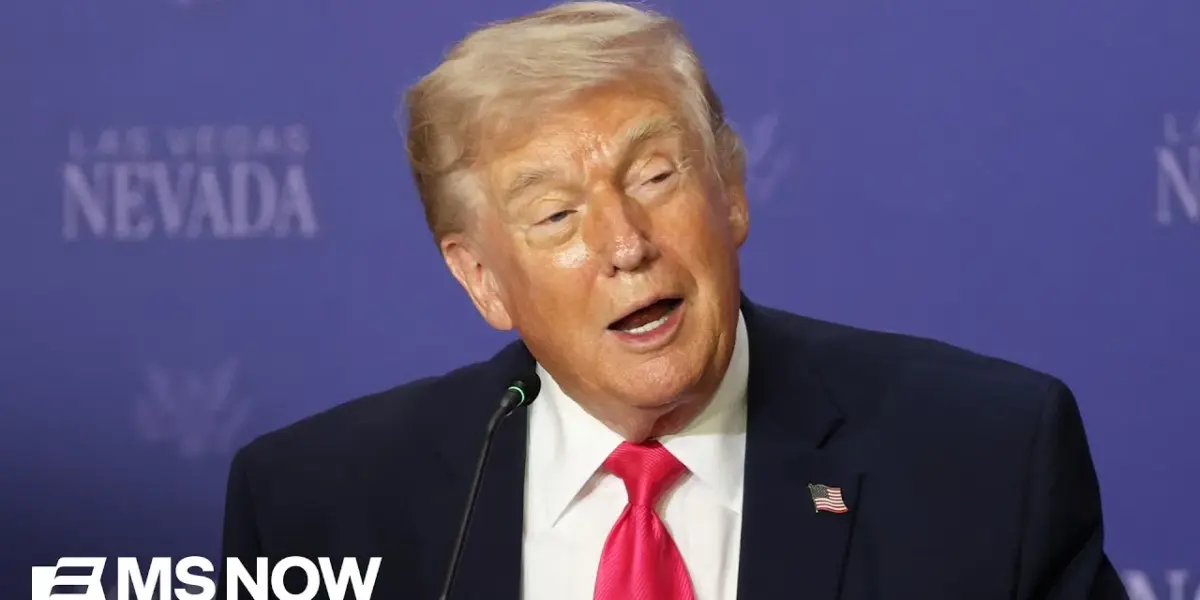
Trump Highlights Tax Refunds in Las Vegas Speech
President Trump traveled to Las Vegas recently to promote his administration’s economic policies. He specifically highlighted tax refunds and the elimination of taxes on tips.
Trump told supporters that hardworking Americans deserve to keep more of their money. He celebrated that more money is staying in people’s pockets rather than going to the government.
The President stated that the average tax refund this season is over $4,000. He mentioned that many workers in Las Vegas reported receiving refunds of $5,000 to $8,000 or more. Trump suggested these figures show that workers and families are clearly feeling the benefits of his policies.
Economic Data Paints a Different Picture
However, official IRS data presents a different story regarding tax refunds. While the White House claimed refunds would rise by about $1,000 after a major legislative bill, recent IRS figures show a smaller increase.
As of this month, the average refund has risen by approximately $346 compared to last year. This amount is less than what’s needed to cover increased costs for many Americans.
Experts point out that this $346 increase is not enough to offset rising expenses. It could cover only about half of the extra $776 taxpayers might spend on higher gas prices this year. It also falls short of covering the extra $600 they could spend due to Trump’s tariffs, according to analyses.
Uncertainty Dampens Economic Mood
Brendan Greeley, a contributing editor for the Financial Times, noted that these tax refunds were expected to be a political advantage for Trump, similar to stimulus checks during COVID-19. However, the current impact doesn’t seem to be as significant.
Greeley stated that people need more help right now. Economists are trying to understand a puzzling trend: hard economic data appears stable, but public sentiment is negative.
Greeley explained that while unemployment and economic growth figures might look fine on paper, people feel uncertain. This uncertainty makes it difficult for businesses to plan for the future.
He cited the Beige Book, a report from businesses to the Federal Reserve, which indicated hesitation in hiring due to unclear economic conditions. This lack of certainty prevents businesses from investing and expanding.
Policy Impacts and Global Concerns
Natasha Surin, a former Treasury official and Yale Law professor, questioned the effectiveness of policies like the tax on tips. She noted that such a policy only benefits a small portion of tipped workers, roughly 22%.
Many of these workers don’t earn enough federal income to be eligible for income taxes in the first place. Therefore, they are not seeing real tax relief from this specific legislation.
Surin highlighted that these workers are instead facing higher costs from tariffs and increased gas prices. She pointed out that despite generally positive economic indicators, the U.S. experienced its highest inflation rate in two years recently. With no immediate relief expected for energy prices, and other consumer goods affected by tariffs, Americans are experiencing the consequences of what appear to be self-inflicted economic wounds.
Global Oil Markets and Supply Shocks
Concerns extend to global energy markets, with potential supply shocks looming. John Williams, president of the New York Fed, warned about the impact of the conflict in Iran on oil supplies.
Despite this, Trump administration officials reportedly urged U.S. oil and gas companies to increase drilling to lower prices. Experts like Surin emphasize that oil is priced on global markets.
Surin explained that unless the U.S. creates a completely domestic oil market, prices will remain subject to global forces. She also noted that oil companies typically increase profits during times of uncertainty rather than immediately boosting production.
The International Energy Agency has also warned about critical fuel shortages in Europe, potentially leading to flight cancellations. This situation could impact global fertilizer markets and broader energy supplies, with consequences measured in months and years, not just weeks.
Broader Implications and Future Outlook
The economic challenges and policy responses are being closely watched as they affect American households and global stability. The administration’s focus on specific tax benefits and public statements on gas prices contrast with the broader economic realities and expert analyses. The uncertainty surrounding tariffs, energy costs, and global supply chains continues to impact consumer confidence and business planning.
The situation highlights the complex interplay between domestic policy, global events, and individual financial well-being. As the year progresses, continued attention will be paid to inflation trends, energy market stability, and the effectiveness of government policies in addressing these widespread economic concerns for American families.
Source: 'Everything is not fine': Trump touts tax refunds as Americans struggle to keep up with high costs (YouTube)

Related Articles

Trump Pursues Iran Peace Talks Amidst War and Rising Gas Prices
President Trump expresses optimism for a peace deal with Iran amidst an ongoing conflict and a naval blockade. However, rising gas prices and skepticism over negotiation teams raise concerns for the administration, especially with midterm elections approaching. Congressional leaders are demanding more transparency on the war's costs and strategy.


Trump Hints at UFO Cover-Up After Scientist Deaths
Ten American scientists linked to government defense and UFO programs have died or vanished mysteriously. President Trump acknowledged a meeting on the subject, hinting at serious concerns beyond mere coincidence. This situation revives long-standing questions about government transparency and UFO secrecy.


Economy Hits Rock Bottom: Americans Struggle to Keep Up
A JD Power survey reveals that 65% of Americans can no longer keep up with rising prices, with incomes failing to match inflation. This is forcing many to delay purchases, cut back on services, and even use credit cards for groceries, indicating widespread economic strain.