PM Overruled by Cabinet on Iran Attack Bases
The UK Prime Minister was reportedly overruled by his own cabinet on approving the use of British bases for a US strike on Iran. The decision-making process involved significant internal debate and a delay in authorization until after hostilities commenced.

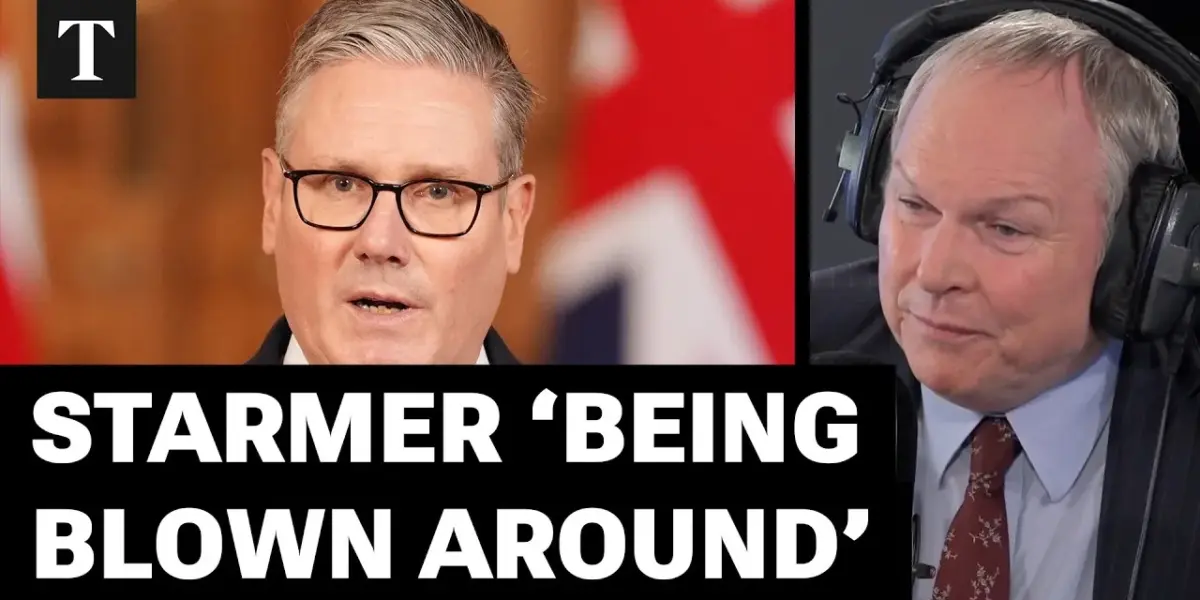
UK Prime Minister Overruled by Cabinet on US Iran Strike Bases
In a dramatic revelation, it has emerged that the UK Prime Minister was overruled by his own cabinet members regarding the use of British bases for a potential US strike on Iran. The unfolding events, detailed by Times Radio presenter Adam Boulton, suggest a significant internal conflict within the government over foreign policy and military cooperation with the United States. The initial decision-making process was reportedly fraught with tension, culminating in a National Security Council meeting where the Prime Minister’s initial stance was reportedly challenged and ultimately not supported by key cabinet figures.
The Genesis of the Conflict: February 11th Signals
The situation reportedly escalated following signals from then-President Trump on February 11th, indicating his intention to proceed with military action against Iran and a request for access to British bases. This development raised immediate questions about the UK’s preparedness and its stance on potential American military operations. According to reports, the Attorney General, Herma, played a key role in persuading the government that Britain could not be part of an initial assault or openly back the American action at that stage, citing legal and political complexities.
Angry Phone Calls and Cabinet Opposition
Despite the Attorney General’s counsel, the situation remained fluid, with reports of “angry phone calls” involving the Prime Minister and President Trump. At one point, the Prime Minister is said to have proposed granting the Americans clearance to use British bases “defensively” to attack Iranian weapons, anticipating retaliatory fire from Iran. However, when this proposal was brought before a National Security Council meeting, it faced significant opposition from cabinet members.
“The fascinating thing is there was a meeting of the National Security Council and the Prime Minister was overruled by his own cabinet members.”
Key figures reportedly resistant to the Prime Minister’s initial proposal included Ed Miliband, known for his previous opposition to military action against Syria, and potentially others like Yvette Cooper. This internal dissent highlighted a division within the Labour Party, with some factions leaning towards a more pro-American stance (represented by figures like Morgan Mcentee) and others, like Miliband, asserting a more cautious approach. The Prime Minister, caught between these factions, apparently could not secure the necessary cabinet backing for his proposed immediate clearance for US base usage.
A Shift in Strategy: Waiting for an Incident
The upshot of this cabinet overruling was that the government’s public position shifted. Instead of pre-emptively authorizing the use of bases, the strategy became to wait until an actual attack or incident occurred.
Only then, after hostilities had commenced, could the Prime Minister reportedly give the go-ahead for the use of British facilities. This approach, while ultimately leading to cooperation, meant the UK appeared to be reacting rather than proactively supporting its ally.
Adam Boulton described the situation as the Prime Minister appearing “blown around” by events and his own cabinet. The implication is that while the Prime Minister might have been willing to cooperate defensively with the US from the outset, he was constrained by his cabinet’s reservations and could not publicly commit until an attack had taken place. This also led to a peculiar situation where British military personnel were reportedly advising the Americans on how to phrase their requests to make them more palatable for internal UK approval, but this was only after the conflict had already begun.
Questions of Leadership and Preparedness
The incident has raised significant questions about the Prime Minister’s authority and the government’s decision-making process. The ability of cabinet members to overrule the Prime Minister on such a critical foreign policy and national security matter is a cause for concern and speculation about the stability of his leadership. While the opposition might not have formally walked out, the potential for public disagreement and a split government could have been a factor in the Prime Minister’s decision not to press his initial proposal.
The episode has cast a shadow over the UK’s preparedness for international crises. Reports indicate that the decision-making process became bogged down in “legalistic arguments” rather than practical preparation. The revelation that a proposal to send a naval vessel to the region did not reach the Chief of Defence Staff until after the conflict had started on a Saturday morning is described as “extraordinary.” The Cypriot government, in particular, is reportedly “incandescent” about the lack of UK preparedness to protect them, highlighting a critical gap in the nation’s defense posture.
Broader Implications and Future Outlook
The events surrounding the potential US strike on Iran and the UK’s response have broader implications for British foreign policy and its relationship with the United States. The public mood in the UK, still wary after the Iraq War, is not generally in favour of aggressive military action.
While the Prime Minister has reportedly maintained a cautious public stance, the internal wrangling and apparent lack of decisive action have damaged how the UK is perceived in managing its alliances. The incident has also led to public criticism from President Trump, further complicating diplomatic relations.
Looking ahead, the government faces the challenge of rebuilding confidence in its foreign policy and defense capabilities. The focus will likely remain on addressing the perceived lack of preparedness and clarifying the lines of authority within the cabinet for future national security decisions.
The ongoing diplomatic fallout and the need to reassure allies like Cyprus will also be key priorities. The government’s ability to demonstrate strong, decisive leadership in the face of international crises will be crucial in the coming months.
Source: UK-Iran: Starmer ‘Overruled’ By Own Cabinet | Adam Boulton (YouTube)

Related Articles

Trump Claims Credit for Ceasefire He Helped Create
Former President Donald Trump is claiming credit for brokering ceasefires in Lebanon and Iran, but critics argue his policies fueled these conflicts. Analyst Chris Hayes describes this as Trump's tendency to create the 'worst possible sustainable equilibrium.' The situations in both countries have led to significant loss of life and widespread instability, with lasting economic consequences.


Politics: Memes, Morality, and Media Madness Exposed
Political discourse is often dominated by distracting 'noise' like memes and online battles, overshadowing critical issues like the economy and foreign policy. This analysis separates signal from noise, examining how leaders engage and what truly matters for the public.


US Troops Surge Amidst Conflicting Signals on Iran War
The US is sending thousands more troops to the Middle East amidst conflicting signals about the Iran war. President Trump claims the war is nearly over, yet military deployments suggest otherwise. Meanwhile, a dispute with the Pope escalates, and a missing wife case takes a concerning turn.