Politics: Memes, Morality, and Media Madness Exposed
Political discourse is often dominated by distracting 'noise' like memes and online battles, overshadowing critical issues like the economy and foreign policy. This analysis separates signal from noise, examining how leaders engage and what truly matters for the public.

Politics: Memes, Morality, and Media Madness Exposed
In today’s fast-paced world, it’s tough to tell what’s truly important and what’s just a distraction. Political news often feels like a constant stream of noise, making it hard to focus on the real issues. This analysis looks at how we’re bombarded with distractions while critical matters are overlooked.
The current political scene is complex, with leaders engaging in tactics that grab attention but may not serve the public interest. We see a focus on online battles and image-making rather than addressing core societal problems.
The Meme War and the Message
One striking example is the use of memes in political discourse, even involving international relations. When a leader uses memes, especially in sensitive diplomatic situations, it blurs the lines between serious governance and online trends. This can be seen as a deliberate tactic to engage a certain audience or as a sign of a leader’s personal style.
However, the lasting impact of such digital displays is debatable. While they might generate buzz and clicks, they can also overshadow more significant policy discussions. The debate then becomes whether this focus on online engagement distracts from the real work of leading a nation.
Economic Realities vs. Political Narratives
Beyond the digital realm, economic concerns remain a pressing issue for many. Reports might highlight positive economic indicators, but personal experience often tells a different story. The gap between official reports and everyday financial struggles highlights the need for clear-eyed assessment.
For instance, claims of increased tax returns can be contrasted with data showing flat purchasing power. This means that while people might be getting more back on taxes, their money doesn’t actually buy more than it did before. This affordability crisis affects everyone, regardless of political affiliation.
The Signal in the Silence: What Truly Matters?
The core argument is that true progress lies not in the loud, attention-grabbing events, but in addressing the quiet, persistent problems. The media’s focus on sensational ‘noise’ can pull attention away from vital issues like economic stability and public welfare.
This approach to political communication risks alienating voters who are looking for practical solutions. When people feel their concerns are ignored in favor of political theater, it can lead to widespread dissatisfaction.
Foreign Policy: Actions Speak Louder
In foreign policy, the actions taken often reveal more than the statements made. For example, the deployment of troops can signal a more serious commitment to a conflict than any reported ceasefire talks.
This contrast between public statements and military actions raises questions about the true intentions and potential outcomes of international engagements. It also affects global economic stability, as seen with rising oil prices and their impact on growth.
Faith, Politics, and Moral Authority
The intersection of faith and politics is another area where noise can drown out substance. Discussions involving religious leaders and political figures can become contentious, especially when differing views on morality and governance emerge.
One perspective suggests that religious figures should be cautious when commenting on political matters, just as politicians must be careful with policy. However, others argue that faith leaders have a moral obligation to speak out on issues of justice and peace.
“The problem isn’t that they’re both right. The problem is that the President is speaking with disrespect about the Pope.
And that they’re making him a political figure. He’s not a political figure.”
Navigating Disagreements: Respectful Discourse
When political figures comment on religious doctrine or the stances of religious leaders, it can lead to friction. Some see this as overstepping boundaries, while others view it as a necessary engagement with moral issues that affect society.
The debate over ‘just war theory’ versus pacifism highlights these differing viewpoints. While some advocate for peace above all, others believe in the necessity of using force to defend against aggression. These differing philosophies create complex challenges in both domestic and international policy.
Campaigning and Controversy: J.D. Vance and TPUSA
Recent events have also brought to light controversies surrounding political figures and organizations. Allegations about attendance at events and public statements can become major talking points.
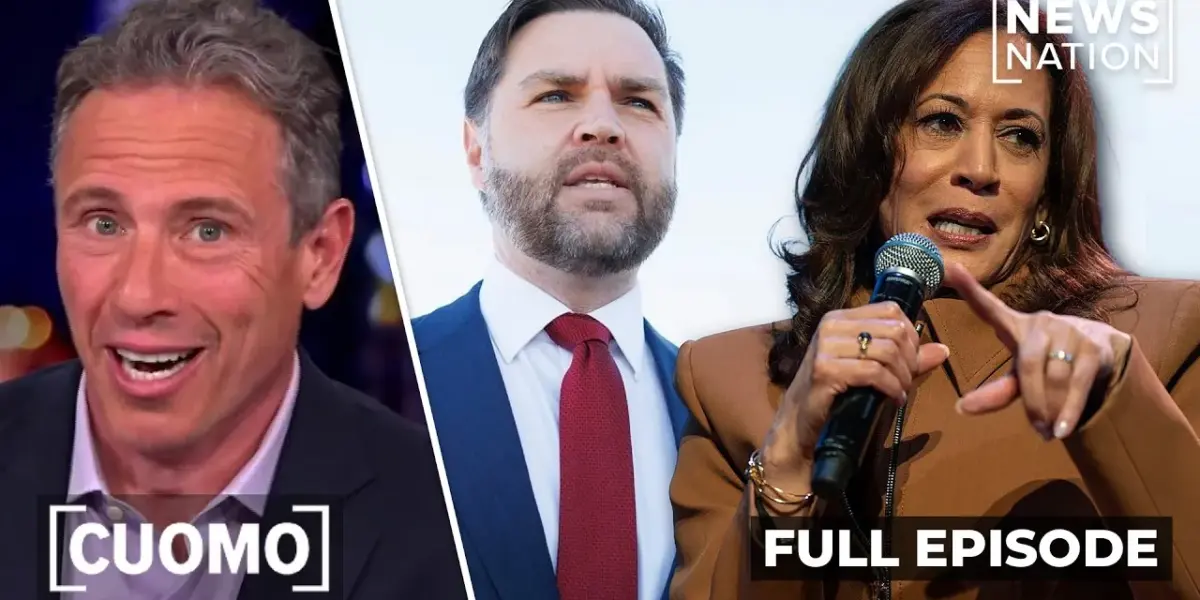
For example, questions have been raised about the crowd size at a Turning Point USA (TPUSA) event featuring J.D. Vance. The organization’s spokesperson addressed these concerns, explaining that ticket requests far exceeded capacity and that promotional efforts were scaled back to manage the event.
The 2028 Presidential Picture
Looking ahead, discussions about future political candidacies are already underway. Figures like Kamala Harris are being considered for presidential runs, with opinions divided on their potential success.
Some analysts believe that certain candidates, despite high name recognition, may face significant challenges based on past performance and political headwinds. The effectiveness of campaign strategies and the ability to connect with voters remain crucial factors.
Why This Matters
The constant barrage of political ‘noise’—from meme wars to celebrity endorsements—makes it difficult for citizens to engage with the critical issues that shape their lives. The media’s tendency to focus on sensationalism over substance can lead to a misinformed public, impacting everything from economic policy to foreign relations.
Understanding the difference between genuine signal and distracting noise is essential for making informed decisions. It requires looking beyond headlines and carefully examining the actions and policies that truly affect our society and the world.
Implications and Future Outlook
The trend of prioritizing online engagement and personality over policy could continue to shape political communication. This might lead to further polarization and a public less equipped to address complex challenges.
However, there’s also a growing awareness of this dynamic, which could empower citizens to seek out more substantive information. The future may see a push for more responsible journalism and a demand for politicians who focus on tangible solutions.
Historical Context
Throughout history, political communication has evolved with technology. From pamphlets to radio, television, and now social media, each new medium has changed how leaders connect with people.
The current ‘meme war’ is a modern manifestation of political messaging, similar to how political cartoons or campaign rallies were used in the past. The challenge remains how to use these tools effectively without sacrificing the integrity of public discourse.
Looking Ahead
As political campaigns gear up for future elections, the strategies employed will likely continue to blend traditional methods with new digital tactics. The effectiveness of these approaches will be tested by voters seeking substance amidst the ongoing political spectacle.
The upcoming election cycles will be a critical period for observing how these trends play out and whether a greater emphasis on policy and genuine connection can emerge from the current climate of political noise.
Source: Trump Meme War, Vance TPUSA Controversy, Kamala 2028? | CUOMO Full Show 4/15 (YouTube)

Related Articles
GOP Faces Growing Panic as Trump’s Ratings Sink
Republicans are reportedly facing panic as Donald Trump's approval ratings sink, jeopardizing their slim majority. Economic woes, foreign policy missteps, and internal distractions are fueling frustration. A special election victory for a progressive Democrat in New Jersey is seen as a potential indicator of broader trends ahead of the midterms.
Trump’s “Blockade Over Bombs” Strategy Shifts Global Outlook
Kellyanne Conway highlights President Trump's "blockade over bombs" strategy, emphasizing economic pressure on Iran as a key foreign policy success. This approach aims to enhance American security and economic dominance. The strategy's potential impact on upcoming midterm elections and the broader idea of operational American exceptionalism are also discussed.

White House Press Secretary Cracks Under Pressure
Karine Jean-Pierre, the White House Press Secretary, is reportedly cracking under the immense pressure of her job. Journalists observe her increasing frustration and anger, suggesting she may be ready to leave the demanding role.