Russia’s Patronage Promise Falters, Leaving Iran in Crisis
Russia's promise of patronage is being tested as it offers little tangible support to Iran amidst a growing crisis. With Moscow seemingly prioritizing its own internal stability, the credibility of its role as a global broker is significantly undermined, leaving allies questioning its reliability in times of need.

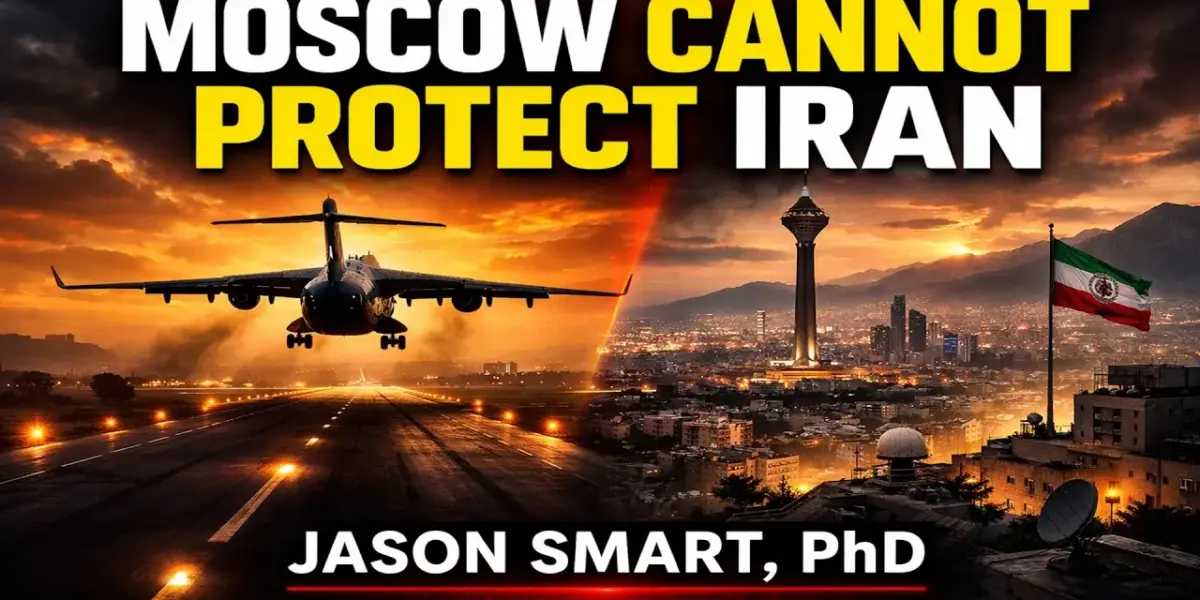
Russia’s Credibility Tested as Patronage Fails Allies
In a world where nations seek reliable allies, Russia has long marketed itself as a dependable patron, promising protection and intervention in times of need. However, the current crisis in Iran is starkly revealing the gap between Moscow’s promises and its demonstrated capacity to act. Far from providing the tangible support expected of a patron, Russia appears increasingly preoccupied with its own internal stability, offering little more than diplomatic statements and evacuation plans for its citizens.
Iran’s Plea for Protection Meets Russian Inaction
Iran, a long-standing partner of Russia, is reportedly seeking concrete assistance amidst its current challenges. Yet, the expected show of force—such as air defense systems, military escorts, or visible deployments—is conspicuously absent.
Instead of senior Russian leadership engaging directly or dispatching advisors to broker solutions, Moscow’s efforts seem directed towards facilitating the evacuation of Russian nationals from Iran. This stark contrast between Russia’s advertised role as a global broker and its current actions raises serious questions about the reliability of its patronage.
“What we see today is that Russia offers statements. It makes Facebook post. It gives empty speeches at the Atomic Energy Agency or the United Nations. But in no case, it doesn’t do anything to materially help Iran.” – Dr. Jason S. M. Post, Special Correspondent and National Security Adviser
A Chasm Between Promises and Performance
The evidence on the ground does not align with Russia’s self-proclaimed status as a nation capable of changing outcomes for its allies. While Moscow may envision itself as a patron and its diplomats, like Foreign Minister Sergey Lavrov, as ‘Iran whisperers,’ the reality is a significant disconnect.
The expected demonstrations of protection—air defense, escorts, and visible military force—are nowhere to be seen. The only notable Russian military deployment to Iran involved an Ilyushin Il-76 aircraft, which, contrary to expectations of bringing aid, was reportedly used to evacuate Russian citizens.
Moscow’s Shifting Priorities: Domestic Stability Over Foreign Aid
The primary reason for Russia’s apparent inability to assist Iran appears to be its own pressing domestic concerns. The Putin regime is reportedly facing destabilization, compelling Moscow to prioritize shoring up its internal security and political standing. This internal focus diverts resources and attention away from fulfilling its commitments to allies.
Dr. Post elaborates on this, stating, “The top one is that today the Putin regime is becoming destabilized and Putin must focus on trying to stabilize it.” This internal struggle means that even allies like Iran, who might expect robust support, are left wanting.
Global Recalibration of Trust in Russian Patronage
The situation with Iran is not an isolated incident. Similar patterns of limited intervention have been observed in Russia’s dealings with other allies, including Syria under Bashar al-Assad and Venezuela under Nicolás Maduro.
In these cases, Russia’s capacity to effect meaningful change was ultimately exceeded. The current inability to support Iran further erodes Russia’s credibility on the world stage, prompting a necessary recalibration by other nations regarding their trust in Moscow’s commitment and capabilities.
Diplomatic Statements vs. Material Support
While Russia maintains a presence in international forums such as the United Nations Security Council and the International Atomic Energy Agency, its contributions are largely confined to strongly worded statements. These diplomatic pronouncements, while perhaps appearing firm, lack the tangible impact needed to counter significant external threats. The focus of Russian diplomats appears to be on cultural events, film festivals, and cultural promotion, as evidenced by social media posts detailing activities in various countries, rather than on crisis management for allies.
A Pattern of Neglect: From Iran to Africa
A review of Russian diplomatic activities reveals a notable absence of substantive engagement regarding the crisis in Iran. While embassies and foreign ministry accounts are active on social media, their content often pertains to visa expirations, evacuation advice, or general information for citizens abroad, rather than concrete assistance to Iran. Even when Russia deploys military hardware, such as to Madagascar, the assistance—in this case, aircraft and food products—appears to exceed what has been offered to Iran, highlighting the perceived low priority of its ally’s plight.
The Paradox of Russian Weakness and Perceived Threat
Ironically, despite its demonstrated limitations, Russia continues to project an image of strength and assertiveness, even dictating terms to Ukraine. This paradox is highlighted by recent events, such as the alleged use of Russian-made jamming systems in drones that attacked a UK base in Cyprus.
This suggests a willingness to support anti-Western actions, even while struggling to aid its allies. The article posits that this perceived weakness should lead to a reassessment of the fear surrounding Russia’s potential reactions, questioning why nations remain apprehensive about further supporting Ukraine when Russia’s capacity to retaliate appears diminished.
Historical Precedents of Russian ‘Patronage’
Examining past instances where Russia offered refuge to ousted leaders—such as Bashar al-Assad, Viktor Yanukovych, and Bakir Babonov—reveals a consistent pattern. Russia can offer asylum, a safe haven from their own populations, but it has proven incapable of actively helping these leaders retain power. This historical context further supports the argument that Russia’s ability to influence outcomes beyond its borders is severely limited.
Iran’s Internal Tensions and the Risk of Fragmentation
The situation is further complicated by growing internal tensions within Iran, particularly between the Revolutionary Guard and the broader government. This burgeoning discord raises questions about the de facto leadership and the potential for elite cohesion to fracture. Such fragmentation is historically a precursor to regime instability and potential collapse.
Putin’s Own Vulnerabilities: The Specter of Internal Uprisings
For Vladimir Putin, the potential for elite fracturing and internal dissent is a deeply concerning prospect, especially given his own experiences with military insubordination, such as the Wagner Group incident. The growing instability in Iran, mirroring potential vulnerabilities within Russia itself, suggests that Moscow’s capacity to manage external crises is severely hampered by its own internal fragility.
Looking Ahead: A Weakened Russia and a Precarious Iran
As Iran grapples with internal strife and external pressures, Russia’s diminished capacity to offer meaningful support leaves its ally in a precarious position. The coming weeks and months will be critical in observing whether Iran’s internal divisions deepen and whether Russia can overcome its own destabilizing challenges. The global community will be watching to see if this crisis further exposes the limitations of Russian patronage and prompts a significant geopolitical realignment.
Source: Moscow Patronage Failure Sparks Iran Crisis (YouTube)

Related Articles

Ukraine Strikes Russian Oil Hubs, Weakening War Machine
Ukraine is intensifying its strikes on Russian oil and gas infrastructure, aiming to cripple Moscow's war financing. Despite Russian threats and some international concerns over energy prices, Kyiv maintains that continued pressure is crucial. Ukraine's drone technology is also gaining international attention, potentially opening new avenues for support.

China Shares Spy Satellite Data with Iran
China has reportedly provided Iran with sensitive spy satellite imagery, allegedly used by the IRGC for targeting U.S. bases. This intelligence transfer, obtained in late 2024, offers half-meter resolution for precise military assessments. The development raises concerns about China's role in regional conflicts.

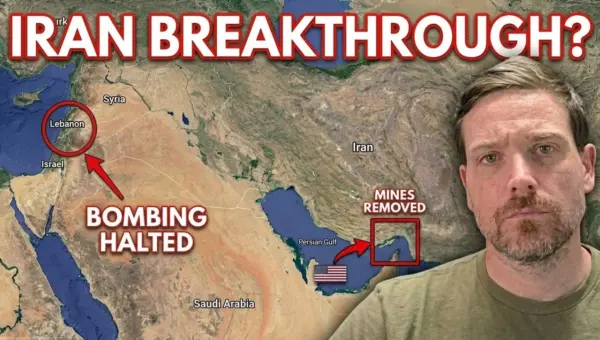
Trump’s Mideast Declarations Spark Hope and Doubt
President Trump's recent statements on the Strait of Hormuz, Iran's nuclear program, and the Israel-Hezbollah conflict have sparked both hope and skepticism. While Iran claims the Strait is open, conditions remain, and the true scope of any nuclear deal is unclear. The fragile Hezbollah ceasefire adds another layer of complexity to the region's volatile situation.