Rep. Crowe Slams Trump’s ‘Tone Deaf’ Iran Stance After Mar-a-Lago Dinner
Rep. Jason Crowe (D-CA) sharply criticized President Trump's handling of the Iran conflict, calling it "tone deaf" and a betrayal of his "no new wars" promise. Crowe highlighted the contrast between Trump's war rhetoric and a Mar-a-Lago fundraiser held the same night, questioning the President's motivations and the escalating costs.

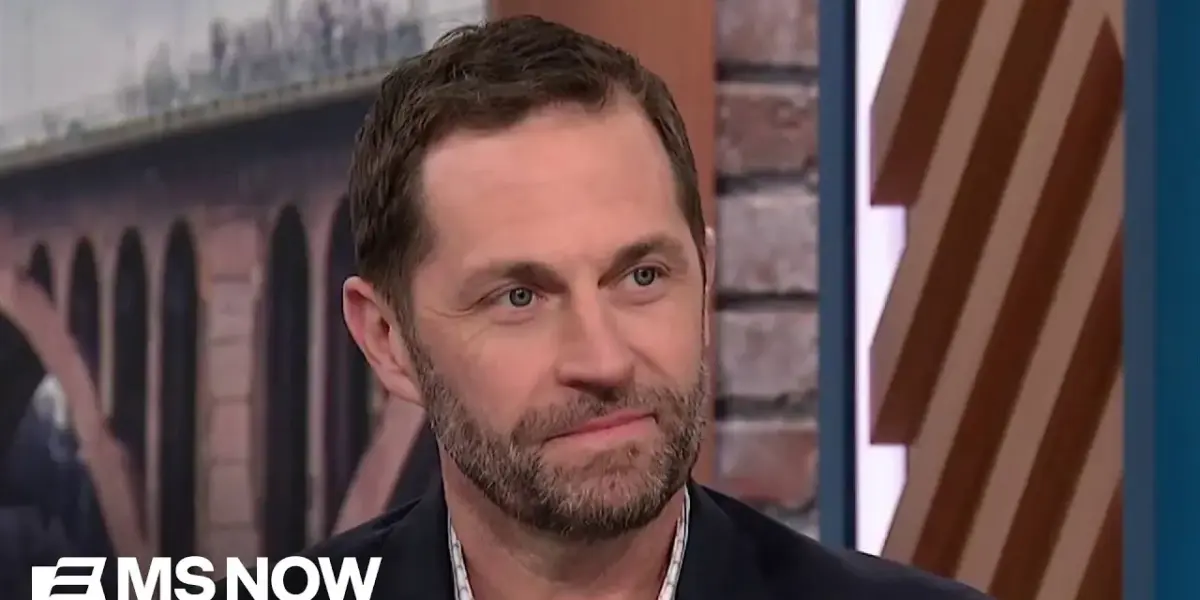
Congressman Slams Trump’s ‘Tone Deaf’ Iran Policy After Mar-a-Lago Event
WASHINGTON D.C. – As tensions escalate with Iran, a prominent voice on Capitol Hill is sharply criticizing President Donald Trump’s approach, labeling it as “tone deaf” and a betrayal of his campaign promises. U.S. Representative Jason Crowe (D-CA), a member of the House Armed Services and Intelligence Committees and a veteran of conflicts in Iraq and Afghanistan, expressed his dismay following a briefing on the escalating situation. Crowe pointed to Trump’s public statements on the potential duration and scope of military action, the deployment of additional U.S. Forces to the region, and the stark contrast between the President’s rhetoric on war costs and his actions at his Mar-a-Lago resort.
Broken Promises and Shifting Rhetoric
During his presidential campaigns, Donald Trump centered his platform on ending “endless wars” and appealing to a deep-seated anger and resentment over decades of American military involvement abroad. He recognized the significant financial and human cost, vowing to break the cycle of conflict. However, Crowe argues that Trump has now broken this core promise, plunging the nation into a new conflict without clear congressional authorization.
“No new wars was central, was exactly who he was. It’s how he wins the Republican primary in ’15 and ’16,” Crowe stated, reflecting on Trump’s past stance.
“And I wonder… Was shocked or felt betrayed on behalf of his coalition.”
The congressman highlighted the disconnect between Trump’s public acknowledgment of the potential for service members to die and the subsequent events of that same evening. “I was just really struck by the video that Donald Trump put out on Friday night when he announced the start of this. He did it at Mar-a-Lago in front of the curtains.
You know, we’ve seen this before, those black curtains. And he talked about the costs of war.
He talked about the fact that service members were going to die. He said that’s just something that’s going to have to happen,” Crowe recounted.
The Mar-a-Lago Gala: A Symbol of Disconnect
Crowe’s most pointed criticism was reserved for the President’s actions immediately following the announcement of military engagement. “Then he talked tough and banged his chest like elites in Washington often do. Then he literally walked behind the curtains, to his private club, and he hosted a million-dollar-a-plate dinner and dance party that night,” Crowe said, emphasizing the perceived insensitivity.
“If that doesn’t tell you everything you need to know about the tone deafness and how the elites always get wealthy and get something out of this and the working class are left holding the bag, I don’t know what does,” he continued. This juxtaposition, Crowe argues, encapsulates the administration’s detachment from the realities faced by ordinary Americans and military families.
Questions of Motivation and Strategy
The congressman questioned the underlying motivations behind Trump’s actions, suggesting they stem from a desire for power and domination rather than a coherent foreign policy. “I think for Donald Trump this is about power and domination. I think he wants to assert his will and wants to show he’s in charge,” Crowe theorized.
“I don’t think Donald Trump has ever had any ideology about Iran. I don’t think he cares about the Iranian people.
I don’t think he cares about peace in the Middle East. I think he wants to distract folks and he wants to assert power and show that he’s in charge.”
Crowe also pointed to the shifting objectives and perceived unseriousness of the administration’s approach, citing the early involvement of Elon Musk in diplomatic efforts with Iran. “Remember, we heard about how we’re going to make Iran great again at times, then we’re going to have a nuclear deal. But now he’s bombed them twice in the middle of nuclear negotiation,” he observed.
The Cost of Conflict: Unanswered Questions
Beyond the strategic and ethical concerns, Crowe raised critical questions about the financial burden of such military actions, particularly in light of domestic economic challenges. “Back home in Colorado, I represent Coloradans and back home in Colorado, I have thousands of constituents that are losing their healthcare.
People can’t afford homes, people can’t afford groceries. The cost of gasoline, by the way, just went up about 80 cents a dollar in most places in the last 48 hours,” Crowe detailed.
He lamented the lack of transparency regarding the cost of the operations, estimating tens of billions of dollars in munitions and technology. “And I think it’s not going to put us in a better place at the end of it,” he concluded. The congressman stressed the need for Congress to be “put in the driver’s seat” regarding decisions of war and peace, emphasizing that the public is increasingly wary of prolonged and costly conflicts.
Public Opinion and Unpopular Wars
Crowe noted the public’s declining support for the burgeoning conflict, drawing a parallel to other unpopular policies. “The only thing more unpopular than covering up the Epstein files, which I think because it’s about 26%, is the war in Iran which is under 20%,” he stated. This suggests that the conflict may not serve as the political distraction the administration might intend, but rather an additional point of public discontent.
Looking Ahead
As the situation with Iran continues to develop, the focus remains on whether Congress will assert its constitutional authority to authorize or restrict military action. The administration’s justifications, the long-term strategy, and the ultimate cost in both human lives and financial resources will be under intense scrutiny. The public’s reaction, already showing a low approval for the conflict, will likely play a significant role in shaping future policy decisions.
Source: ‘He did it at Mar-a-Lago’: Veteran, Rep. Jason Crowe slams Trump for being tone deaf over Iran (YouTube)

Related Articles


War Ripples: Iran Conflict Drives Up Costs for Plastics, Fertilizer
The war involving Iran is causing significant economic disruptions far beyond higher gas prices. Essential products like fertilizer and plastics are seeing price surges due to disrupted shipping routes. This conflict is also increasing borrowing costs for consumers and potentially impacting food prices.

Trump’s Signature to Appear on U.S. Currency
The U.S. Treasury announced that Donald Trump's signature will appear on future U.S. paper currency, a significant departure from historical norms. This decision continues a pattern of items bearing the former president's name and sparks discussion about its broader implications.

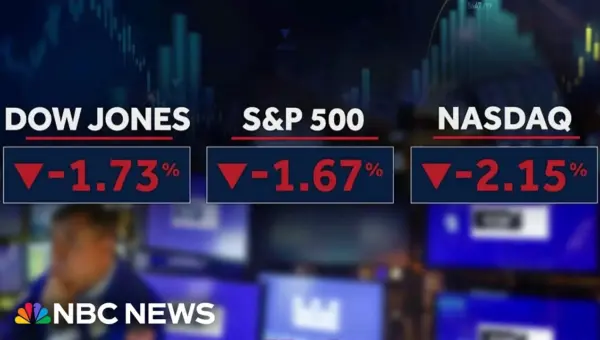
Markets Plunge Amid War Fears, Inflation Concerns
Major stock markets plunged this week, with the Dow entering correction territory amid fears of a prolonged war with Iran. Surging oil prices and rising mortgage rates are fueling concerns about inflation, prompting speculation of further interest rate hikes by the Federal Reserve. Investors are bracing for potential long-term damage to global energy infrastructure and a slowdown in economic growth.