Starmer’s Staff Shake-ups Cost Taxpayers Over £1 Million
Keir Starmer's leadership has incurred over £1 million in costs for taxpayers due to frequent staff dismissals. Meanwhile, a debate on parliamentary language and concerns over civil service relations cast a shadow over the Labour party as they head into a crucial Prime Minister's Questions session.

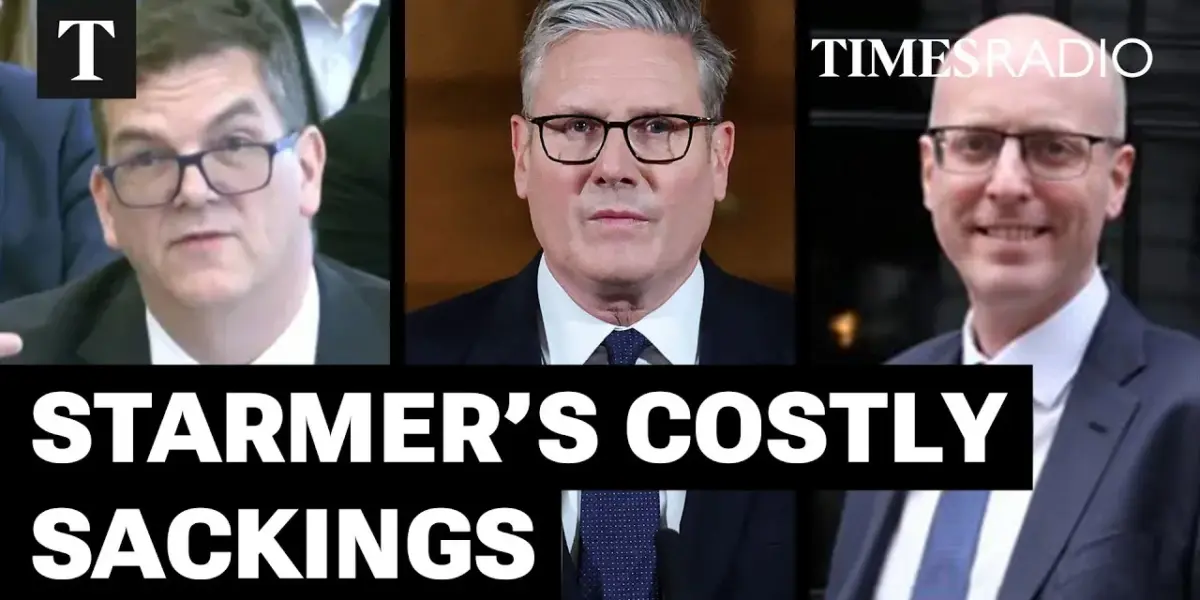
Starmer Faces Millions in Costs After Staff Dismissals
Keir Starmer, the leader of the Labour Party, has faced significant costs due to dismissals of staff from his office. Reports indicate that these firings have cost the taxpayer well over £1 million. This figure comes from an informal calculation, often referred to as a ‘back of the envelope’ estimate, highlighting the financial impact of frequent changes in administration within Number 10 Downing Street.
The sheer number of people who have been let go has led to a substantial expenditure. Many of these individuals held key positions, and their departures have necessitated new appointments and potentially severance packages. This situation has created a considerable financial burden that falls upon public funds.
Parliamentary Debate on Truth and Slander
A recent discussion touched upon the ability of Members of Parliament to call each other liars. This debate was sparked by an incident involving Dennis Skinner, a former MP known for his outspoken remarks. The question arose whether such direct accusations should be permitted on the floor of the House of Commons.
One viewpoint suggested that if someone has lied in Parliament, they should be allowed to be called a liar. This perspective argues that restricting such direct language goes against democratic principles and freedom of expression, especially when discussing important matters. However, others countered that allowing such accusations could quickly devolve into a chaotic and unproductive environment.
Steve Swinford, Political Editor of The Times, shared insights from observing the Australian Parliament. He described it as an environment where harsh language, including insults like ‘liar,’ was common. Swinford expressed concern that permitting such open accusations in the UK Parliament could lead to a decline in civility and an increasingly ugly political discourse.
“I think it would very quickly just become wall to wall people calling each other liars. And there is a difference. It’s a subtle difference between someone who’s saying something misleading and someone who is outright lying.
But if you take that off, I’ve been privileged to look at the Australian Parliament years ago. And that was extraordinary. People were swearing at each other on the floor of the Parliament.
They were, you know, really hammer and tongs. Liar was the lightest thing you heard and it gets very ugly very quickly.”
While some believe politicians should be trusted to use such language responsibly, others fear it would be misused. The concern is that opening this door could lead to constant accusations, making it difficult to have constructive debates. This could ultimately harm the reputation and effectiveness of parliamentary proceedings.
Cabinet Unease Over Staff Dismissal Handling
The recent dismissal of Ollie Robinson, a civil servant, has caused significant unease within the Labour cabinet. Many cabinet ministers have privately expressed concerns that Starmer may have made a poor decision in this situation. They feel the handling of Robinson’s departure was not conducted in the best manner.
Interviews with key figures, such as Pat McFadden, have revealed a reluctance to fully endorse the decision. McFadden, when pressed, repeatedly avoided stating whether he believed the dismissal was fair. Instead, he emphasized that it was a matter for the Prime Minister’s judgment, suggesting a lack of clear support and potential underlying disagreements within the party.
Several prominent Labour figures, including Yvette Cooper and the Miliband brothers, have also reportedly voiced their concerns. This widespread unease suggests a division in opinion regarding Starmer’s actions. The situation is seen by many as a misstep that could have negative repercussions for the party’s image and leadership.
Potential for Large Payouts and Public Scrutiny
There is a strong possibility that the case involving Ollie Robinson will result in a significant payout from taxpayer money. It is widely believed that the Labour Party will seek to avoid an employment tribunal. Such a tribunal could prove to be extremely embarrassing and potentially costly, with uncapped compensation limits.
Instead, it is expected that Robinson will receive a substantial payoff. This settlement would likely be funded by public money, adding to the overall cost of the situation. The amount could potentially exceed that received by Philip Rutnam, a former Home Office permanent secretary, who was awarded £340,000.
The accumulation of these costs from various dismissals, including the current situation, pushes the total expense well beyond the £1 million mark. This raises questions about the management of staff and the financial accountability within Number 10. The eventual disclosure of any settlement amount will likely draw further public scrutiny.
Concerns Over Civil Service Relations
Dave Penman, the head of the FDA union, which represents senior civil servants, has been critical of the administration’s relationship with the civil service. He expressed disappointment, stating that he expected a different approach compared to previous governments.
Penman believes that the current government has undermined the civil service. This has created an environment where civil servants may be hesitant to work for the administration. Such a breakdown in trust can have a detrimental effect on government operations and policy implementation.
The situation is compared to the past conflict between Boris Johnson and Dominic Cummings. In that instance, the government’s attempt to target a former advisor backfired.
The advisor’s subsequent revelations significantly damaged the Prime Minister’s standing and played a role in his eventual departure. This historical parallel suggests that taking on a civil servant can be a risky strategy.
Looking Ahead: PMQs and Potential Fallout
All eyes will be on Prime Minister’s Questions (PMQs) at noon today. This session will be a critical test for Keir Starmer, following a difficult period. The focus will be on how Labour MPs rally behind him and how the opposition attacks him.
The body language and support shown by Labour MPs will be closely observed. A flat or unsupportive showing could indicate deeper problems within the party. Conversely, strong backing might signal a successful defense against the current challenges.
The outcome of this political confrontation and the ongoing fallout from the staff dismissals will be closely watched in the coming days and weeks. Further developments regarding potential settlements and public reaction are anticipated.
Source: Starmer’s No 10 Reshuffles Cost Taxpayer Over £1 million | Steven Swinford (YouTube)

Related Articles

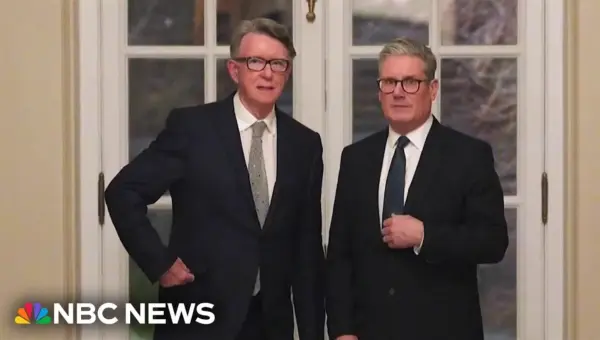
PM Starmer Faces Crisis Over Epstein-Linked Envoy Appointment
Prime Minister Keir Starmer is facing a political crisis after appointing a friend of Jeffrey Epstein as the British Ambassador to Washington. A top civil servant, Sir Olly Robbins, has spoken out about the appointment process, claiming Starmer's aides rushed the decision despite security vetting concerns. The controversy comes just weeks before crucial local elections and amid speculation about Starmer's leadership.
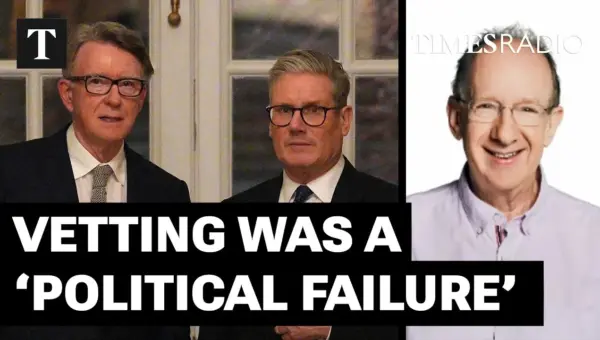
Mandelson Vetting Failure: A Political Blunder, Not Civil Service Flaw
Danny Finkelstein argues that the Peter Mandelson vetting failure was a political misstep, not a civil service error. He contends the core issue was a flawed idea from politicians, not the vetting process itself. The controversy highlights concerns about political patronage and the need to protect the impartiality of the civil service.

PM Accused of Ignoring Due Process in Ambassador Appointment
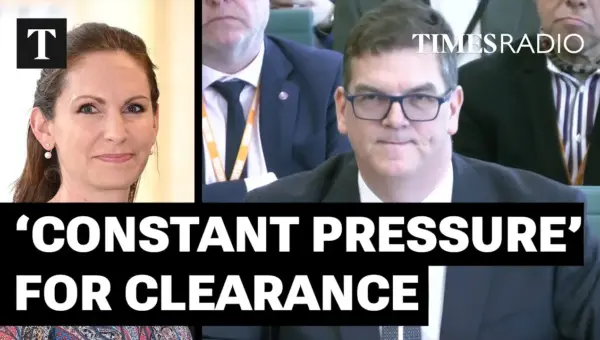
A Foreign Affairs Committee member has accused the Prime Minister of disregarding due process in appointing an ambassador, Peter Mandelson. Afua Brandford stated that Number 10 applied pressure for rapid security clearance, with the PM announcing the role before vetting was complete. This has led to questions about the Prime Minister's integrity and claims of misleading Parliament.