US Tightens Iran Sanctions, Signals Deal Is Possible
The U.S. is intensifying economic pressure on Iran, aiming to force negotiations through a $500 million daily loss from sanctions and a naval blockade. President Trump has extended a ceasefire, signaling a desire for a "good deal" but no rush. Domestically, Republicans are pushing a budget resolution to fund immigration enforcement without Democratic votes, facing urgency as DHS funding nears depletion.

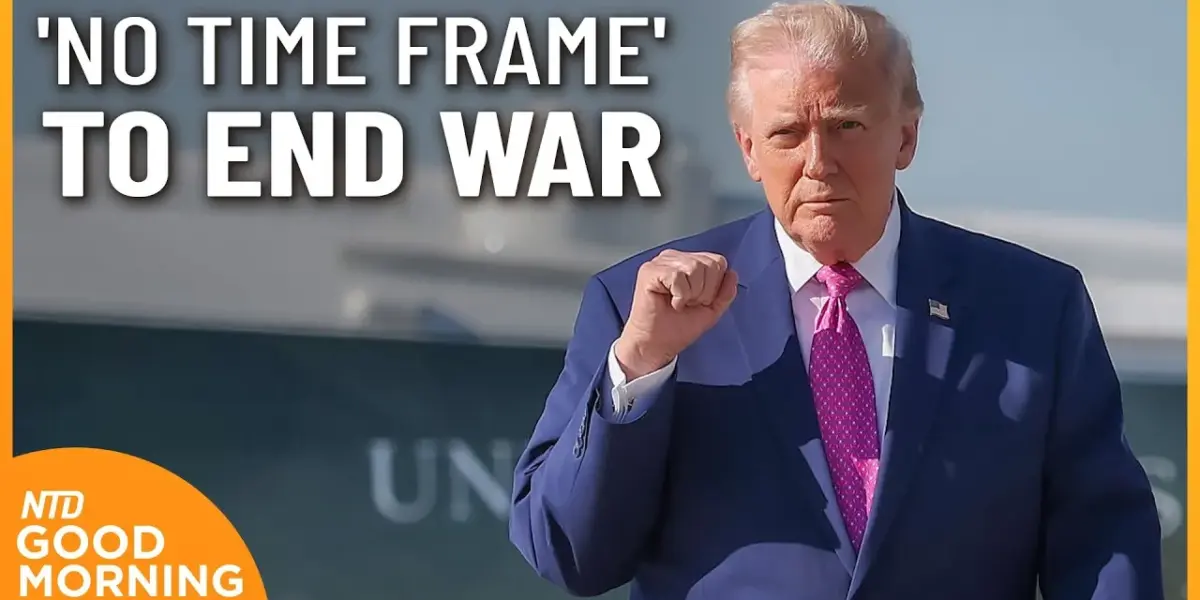
US Tightens Iran Sanctions, Signals Deal Is Possible
The United States is increasing economic pressure on Iran, aiming to force the country to the negotiating table. The White House announced that Iran is losing an estimated $500 million per day due to U.S. sanctions and a naval blockade. This economic squeeze is intended to create internal divisions within Iran, pitting pragmatists against hardliners, and encourage a unified response to U.S. demands.
President Trump has extended a ceasefire with Iran, stating there is “no rush” to make a deal but emphasizing the desire for a “good deal.” This approach signals a shift from previous expectations of a quick resolution. The administration believes that by choking off Iran’s economy, they can achieve more than through military action alone. The U.S. Navy has instructed 31 vessels near the Strait of Hormuz to turn back or return to port as part of this ongoing blockade.
Internal Divisions and Economic Pressure
White House press secretary Caroline Levit highlighted internal divisions within Iran, describing a battle between pragmatists and hardliners. President Trump’s decision to prolong the ceasefire is seen as giving Iran time to unify its position. The U.S. is cautious about accepting Iran’s public statements at face value, noting a difference between what is said publicly and what is conceded privately to U.S. negotiators.
The economic impact on Iran is significant. Levit stated that the U.S. is “completely strangling Iran’s economy through the blockade of its ports.” This has made it difficult for Iran to move oil, pay its own people, and manage its finances. The U.S. Central Command has denied reports of commercial vessels evading the blockade, reinforcing the effectiveness of the U.S. naval presence in the region.
Negotiation Leverage and Challenges
John Deon, a U.S. Marine veteran and Senate candidate, believes the naval blockade is the key leverage in negotiations. He suggested that Iran’s leadership may not respond rationally to conventional pressure, making economic strangulation a more effective tactic. Deon noted that while bombing Iran might not achieve the desired outcome, cutting off its economy could bring it to the negotiating table.
Despite U.S. naval dominance, Iran has used drones and small boats to create disruptions in the Strait of Hormuz, a critical route for global oil transport. While the U.S. is less dependent on this route, allies like Saudi Arabia and the UAE are impacted. This leverage allows Iran to potentially influence negotiations, though Deon remains cautiously optimistic about a deal emerging from the economic pressure.
Decentralized Leadership and Deal Details
Negotiations with Iran are complicated by its decentralized leadership structure, a consequence of past military actions against its command. This means different factions may have varying positions, making it challenging to secure a lasting agreement. The specifics of a potential deal involve complex issues like war compensation, nuclear program limitations, and regional conflicts involving Lebanon and Israel.
Deon pointed to the difficulty in agreeing on terms, such as the duration of an enrichment suspension for Iran’s nuclear program. While the U.S. might seek 20 years, Iran may want five.
A compromise, perhaps around 12 to 15 years, could be a point of discussion. However, identifying who has the ultimate authority to agree to such terms remains a significant hurdle.
Military Leadership Change
In related news, the Secretary of the Navy, John C. Failen, stepped down abruptly. The Pentagon offered no specific reason for his departure, stating only gratitude for his service.
Under Secretary Hung Cowo has taken over as acting secretary. Deon suggested that such changes can occur during times of conflict due to stress and potential disagreements over strategy, but advised against reading too much into this particular resignation.
Congressional Budget Battle
Meanwhile, on Capitol Hill, the Senate approved a Republican budget resolution in an overnight vote. This is the first step toward funding immigration enforcement agencies like ICE and CBP without Democratic support. Republicans aim to fund these agencies for the remainder of President Trump’s term, a move they believe removes Democratic leverage.
This effort is being undertaken unilaterally by Republicans because Democrats have refused to fund ICE without policy changes. The House will also need to pass a similar budget resolution before a funding bill can be brought to the floor in both chambers. The Department of Homeland Security has been partially shut down, and funding for DHS workers is running out, creating urgency for a resolution.
Why This Matters
The dual pressures of economic sanctions on Iran and the domestic political battle over homeland security funding highlight key challenges for the Trump administration. In Iran, the strategy relies on economic pain to force concessions, a tactic that has historically been effective but can also lead to instability. The success of this approach depends on Iran’s internal political dynamics and its ability to withstand sustained economic pressure.
Domestically, the fight over DHS funding reveals deep partisan divides on immigration policy. Republicans are using budget reconciliation to bypass Democratic opposition, a move that, while procedurally allowed, further deepens political polarization. The urgency is amplified by the looming threat of a funding shortfall for essential DHS personnel, potentially impacting national security and border operations.
Implications and Future Outlook
The ongoing pressure on Iran could lead to a negotiated settlement, potentially addressing nuclear proliferation and regional security concerns. However, it could also exacerbate tensions and lead to further unpredictable actions from Iran. The success of the U.S. strategy hinges on maintaining international cooperation and ensuring that sanctions do not disproportionately harm the Iranian population, which could fuel further resentment.
In the U.S., the budget impasse highlights the difficulty of passing bipartisan legislation on critical issues like immigration. The Republican strategy to fund enforcement agencies unilaterally may achieve their immediate goals but does little to address the broader policy debates.
This approach could set a precedent for future legislative battles, further entrenching partisan conflict and potentially hindering effective governance. The coming weeks will be crucial in determining whether a deal with Iran can be reached and whether a funding solution for DHS can be found.
Historical Context
U.S.-Iran relations have been strained for decades, marked by the 1979 hostage crisis and subsequent periods of confrontation and limited engagement. Sanctions have been a consistent tool used by various U.S. administrations to pressure Iran, particularly concerning its nuclear program and alleged support for terrorism. The current administration’s approach combines robust economic sanctions with a naval presence, aiming to isolate Iran and compel it to alter its behavior.
The struggle to pass a budget for the Department of Homeland Security reflects a longer history of partisan gridlock in Congress, especially concerning immigration. The shutdown of government agencies due to funding disputes has occurred multiple times in recent history, often highlighting deep ideological differences between the parties. The use of budget reconciliation, while a legitimate legislative tool, allows for passage with a simple majority, bypassing the need for broader consensus and contributing to a more combative political environment.
Looking Ahead
The administration’s stance suggests a willingness to engage in prolonged negotiations, betting that economic hardship will eventually bring Iran to the table for a comprehensive agreement. Meanwhile, Congress faces pressure to resolve the DHS funding crisis, with potential consequences for national security and border management if a solution is not found soon. The outcome of these intertwined challenges will shape both U.S. foreign policy and domestic political dynamics.
Source: Trump: No Rush to Make Deal; Senate Approves GOP Budget Resolution | NTD Good Morning (April 23) (YouTube)

Related Articles


US Navy Strikes Iranian Mines, Escalates Strait of Hormuz
The U.S. Navy has intensified operations in the Strait of Hormuz, seizing a sanctioned oil tanker and authorizing lethal force against Iranian mine-laying vessels. This escalation is part of a blockade aimed at disrupting Iran's oil trade and pressuring its economy.

Odds Of Trump Removal Soar to Record High
Probability markets show a record high chance of Donald Trump leaving office, driven by impeachment or the 25th Amendment. Despite White House dismissals, Trump's own approval ratings are historically low. Democrats are exploring legislative paths, potentially creating an independent body to assess presidential fitness, which could involve Vice President Pence.


GOP Vows to ‘Break Backs’ in Funding Fights
Republicans are vowing to "break the backs" of Democrats in upcoming funding battles, particularly concerning the Department of Homeland Security (DHS). A recent Senate vote narrowly passed DHS funding, but divisions within the GOP suggest future clashes. Republicans aim to use these fights to push for broader legislative goals, including tax relief and border security, ahead of the midterm elections.