Iran War Fuels Russia’s Economy, Hurts US Goals
The Iran conflict has unexpectedly boosted Russia's economy by increasing oil revenues and creating a complex geopolitical situation. While the U.S. aims to stabilize oil prices, its actions inadvertently benefit Russia, raising questions about international policy effectiveness.

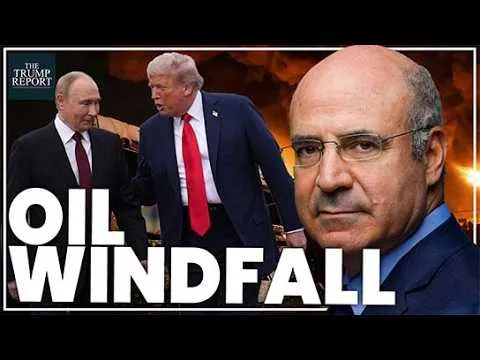
Iran War Fuels Russia’s Economy, Hurts US Goals
The ongoing conflict involving Iran has unexpectedly boosted Russia’s economy, diverting oil revenues and creating a complex geopolitical situation. While the United States aims to stabilize global oil prices, its actions in the Iran conflict have inadvertently benefited Russia. This dynamic raises questions about the effectiveness of international sanctions and the true beneficiaries of regional instability.
The United States and Iran are currently engaged in delicate negotiations, with a ceasefire nearing its end. President Trump has issued warnings to Iran while also suggesting a willingness to take more time to reach a deal.
Meanwhile, Iran has accused the U.S. of violating the ceasefire by seizing cargo. Despite this, Iran has agreed to send a team to negotiate in Pakistan, though the outcome remains uncertain due to the ongoing back-and-forth between the two nations.
A Deal is Likely, But When?
Both the U.S. and Iran have strong reasons to reach an agreement. For the U.S., rising gasoline prices, a key issue for upcoming midterm elections, create pressure to resolve the situation.
Iran, on the other hand, faces financial strain due to blocked oil exports and sanctions. While negotiations may be tense and filled with unpredictable tactics, a resolution is expected because both sides desperately need it.
Sir Bill Browder, a prominent critic of Russian financial dealings, notes that while statements from both sides should be taken with caution, the underlying need for a deal is real. He likens the negotiation tactics to haggling at a Middle Eastern bazaar, suggesting that neither side’s pronouncements should be taken at face value. However, he emphasizes that both nations have a strong incentive to find a resolution, even if the exact timing is unclear.
Russia’s Unexpected Windfall
The Iran conflict has provided a significant economic boost to Russia, which was struggling before the war. Before the conflict, Russian oil revenues had dropped significantly due to fear of sanctions and lower global oil prices. Buyers were hesitant, and Russia had to sell its oil at a discount.
The Iran war changed this. The U.S. has eased fears of sanctions, allowing Russia to sell its oil at the international market price, eliminating the previous discount.
Coupled with the overall rise in oil prices due to the conflict, Russia has seen a double benefit. This situation allows Russia to earn more from its oil exports, even as Ukraine targets Russian oil infrastructure.
Despite Ukrainian efforts to disrupt Russian oil facilities, the increased revenues for Russia are substantial. The U.S. has even extended waivers allowing countries to purchase Russian oil, a move that appears to be a concession to keep global prices stable. This policy, while intended to manage oil prices, effectively transfers wealth from importing nations to Russia.
India’s Role and China’s Dependence
The disruption in Middle Eastern oil supplies due to the Iran conflict has pushed countries like India to rely more heavily on Russian oil. India’s oil imports from the Middle East decreased, leading them to significantly increase their purchases from Russia. The U.S. has allowed these purchases under a price cap to prevent further global price hikes.
China, a major importer of oil from the Strait of Hormuz, also faces potential disruptions. While Russia’s oil export capacity is limited, China’s increasing reliance on Russian oil could deepen ties between the two nations. However, the physical constraints on Russian oil production mean that there isn’t an unlimited supply available to meet increased demand.
Iran’s Strategic Position
While Russia benefits economically, Iran has also strategically improved its position. By demonstrating its ability to disrupt the Strait of Hormuz, Iran has made itself a significant player in the region. This action forces neighboring countries and global powers to engage with Iran to ensure stable oil trade and regional peace.
Iran has used its control over the Strait of Hormuz as leverage, effectively becoming an extortioner in the region. While facing military setbacks, Iran’s actions have highlighted its key role in global oil transit. This forces other nations to consider Iran’s demands to maintain peace and economic stability, potentially strengthening Iran’s hand in future negotiations.
Russia’s Tightrope Walk
Russia finds itself in a delicate balancing act regarding the Iran conflict. As a traditional ally of Iran, Russia has supplied military equipment and drones for use in Ukraine. However, Russia also benefits greatly from its relationship with Donald Trump, who has shown a preference for Putin.
Putin must navigate these competing interests carefully. He cannot abandon Iran, but he also does not want to jeopardize the favorable treatment he receives from Trump. This complex dynamic influences Russia’s role in the conflict and its willingness to act as a mediator.
Historical Parallels and Shifting Alliances
Past events offer cautionary tales about Russia’s role in international diplomacy. For example, Russia’s offer to secure Syria’s chemical weapons in 2013 proved to be an empty promise, as Syria continued its brutal actions. This history suggests that Russia’s offers, such as storing Iran’s enriched uranium, should be viewed with skepticism.
The political landscape around Trump is shifting. Some prominent supporters, like Tucker Carlson, have publicly expressed regret for supporting him, citing his stance on foreign wars. This internal dissent within his base could impact his political standing, though it remains to be seen how it will affect his broader approval ratings.
Why This Matters
The Iran conflict’s impact extends far beyond the Middle East. It has become a significant factor in global energy markets, influencing oil prices and benefiting Russia economically. The U.S.’s efforts to manage these markets have inadvertently strengthened an adversary, highlighting the complex and often unintended consequences of international policy.
The situation also highlights the strategic importance of key global chokepoints like the Strait of Hormuz. Iran’s demonstrated ability to disrupt this vital waterway gives it considerable leverage, forcing global powers to consider its interests. This dynamic could reshape regional alliances and influence future international relations.
Future Outlook
The coming weeks and months will be critical in determining the long-term implications of the Iran conflict. The ongoing negotiations, the stability of oil prices, and Russia’s continued economic gains will all be closely watched. The potential for shifting alliances and the impact of domestic political pressures on international policy will continue to shape this evolving situation.
The upcoming midterm elections in the U.S. and similar political events in other countries could signal a broader trend. As seen in Hungary’s recent election, voters may reject leaders whose policies are perceived as detrimental, even if those leaders control significant media influence. This suggests a potential for change in global political sentiment.
The next crucial date to watch is the expiration of the current ceasefire between the U.S. and Iran, which could reignite tensions and further impact global markets.
Source: There’s only one person Trump’s Iran war helps | Sir Bill Browder (YouTube)

Related Articles
Trump Threatens Iran: Economic War or Military Strike?
President Trump issued a stern warning to Iran, threatening to destroy infrastructure if a deal isn't reached, escalating geopolitical tensions. Meanwhile, debates continue in Washington over significant spending bills, including defense and homeland security funding, raising fiscal concerns.

Trump’s Rambling Rant Exposes War Strategy Failures
Donald Trump's lengthy CNBC interview revealed a pattern of contradictory statements and aggressive rhetoric on foreign policy. His claims about winning wars quickly and his conflicting remarks on Iran negotiations raise concerns about his grasp of complex geopolitical issues.

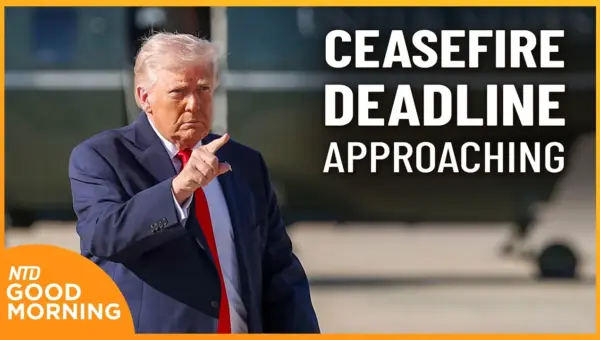
Iran Ceasefire Deadline Looms Amid US Pressure and Nuclear Concerns
The US-Iran ceasefire is nearing its expiration, with President Trump accusing Iran of multiple violations. Tensions are high as the US maintains a naval blockade and extends pressure globally. Meanwhile, Texas is suing ActBlue over alleged fraudulent donations, and Canada is addressing alleged CCP transnational repression targeting Falun Gong practitioners.