Chappelle’s Joke Rift: Comedy’s Political Minefield
Dave Chappelle expressed resentment towards the Republican Party for using his transgender jokes, stating they were meant for Democrats. This sparked debate on artistic intent versus public use and the politics of comedy.

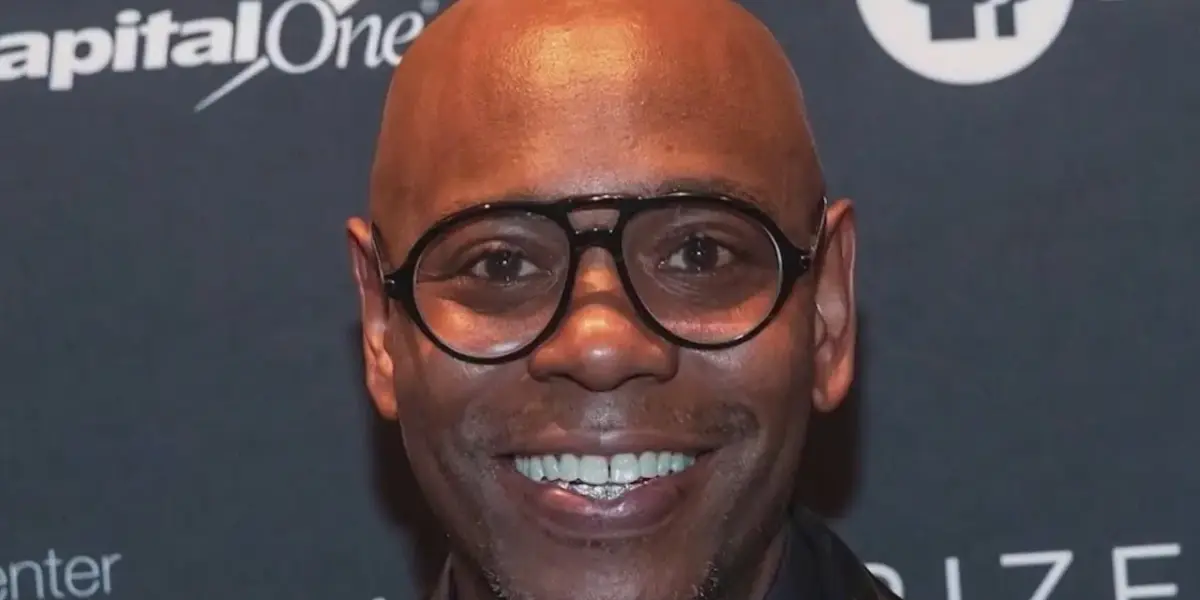
Chappelle Resents GOP’s Use of Trans Jokes
Dave Chappelle recently shared that he resents the Republican Party using his jokes, particularly those about transgender people. He explained that his humor on this topic was never intended for those who believe there are only two genders. Instead, Chappelle stated his transgender jokes were aimed at Democrats who might disagree with them.
This distinction highlights a complex relationship between a comedian’s intent and how their work is received and used by the public. Chappelle feels the GOP weaponized his comedy, turning it into something it was not meant to be.
The Politics of Punchlines
News Nation’s senior editor, Paula Froelich, expressed frustration with this stance, calling it divisive. She questioned Chappelle’s right to dictate who can or cannot enjoy his jokes, especially when they align with a particular political party. Froelich argued that such restrictions lead to pure, divisive tribalism.
She pointed to Chappelle’s past decision to leave “Chappelle’s Show” over jokes involving the N-word. At the time, he felt people were laughing at him, not with him, and his words were being used in ways he never intended. Froelich suggested he should have learned from that experience.
Comedy, Intent, and Public Use
Froelich’s main point is that once a joke is public, its use cannot be controlled. She believes Chappelle should have anticipated this, given his own past issues with the reception of his comedy. It’s a lesson he seemed to have learned years ago but is now revisiting.
Trying to tell people how they should or shouldn’t enjoy art is a difficult position to take. Froelich stated that controlling how an audience engages with comedy goes against the very nature of art. Art is meant to be interpreted and used in various ways, not confined to specific groups or intentions.
Why This Matters
This situation raises important questions about artistic intent versus public reception, especially in the age of social media and intense political polarization. Comedians often use controversial topics to provoke thought or challenge norms. However, their jokes can easily be taken out of context and used for political gain.
Chappelle’s feelings highlight the struggle artists face when their work becomes a tool for political movements they may not support. It forces a conversation about accountability and the boundaries of humor in a deeply divided society. Can an artist truly control the narrative of their creations once they are released into the world?
Historical Context and Trends
Throughout history, comedians have pushed boundaries and faced backlash. Lenny Bruce was famously arrested for obscenity in the 1960s for his provocative humor. George Carlin’s “Seven Dirty Words” routine led to a Supreme Court case about broadcast indecency.
More recently, comedians have handled the challenges of political correctness and “cancel culture.” The rise of social media allows jokes to spread rapidly, but also amplifies criticism and calls for accountability. This trend shows that comedians are increasingly under scrutiny, and their intent is often secondary to the impact their words have.
Implications and Future Outlook
The implications for Chappelle’s comments are significant for the comedy world. It suggests a potential shift where comedians might become more guarded about their material, fearing it could be co-opted by political factions. This could lead to less boundary-pushing comedy or a more explicit labeling of jokes for specific audiences.
The future outlook points to a continued tension between artistic freedom and the political weaponization of art. Comedians will likely continue to be a voice for social commentary, but the challenge of controlling how their messages are received will remain a constant struggle. The audience’s role in interpreting and using humor will also be under the spotlight.
Ultimately, the debate Chappelle has sparked is about more than just jokes; it’s about who gets to define meaning and how art functions in a politically charged environment. The conversation continues on how to balance provocative humor with responsible dissemination.
Source: Dave Chappelle says he resents GOP's use of his jokes | NewsNation Live (YouTube)

Related Articles
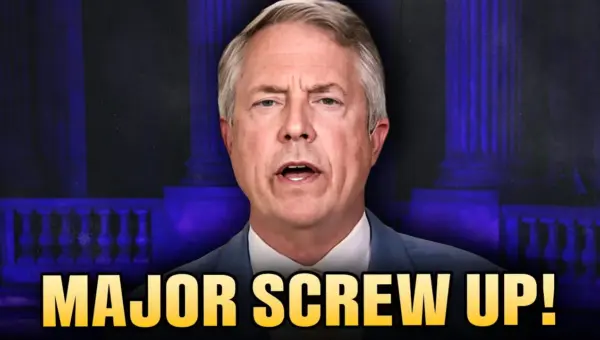
Senator’s Gas Price Plea Ignores Real American Struggles
Senator Roger Marshall suggested Americans must accept higher gas prices for national security, comparing the situation to World War II sacrifices. Critics argue his claims about the economy and the threat from Iran are inaccurate, highlighting the struggle for everyday Americans to afford necessities.
Vance Tells Pope to ‘Tread Carefully’ on Theology
Senator JD Vance has faced criticism for telling Pope Francis to "tread carefully" on theological matters, a move many find audacious given the Pope's position. The comments highlight the complex intersection of religion and politics, with historical parallels and modern tribal dynamics influencing public discourse.

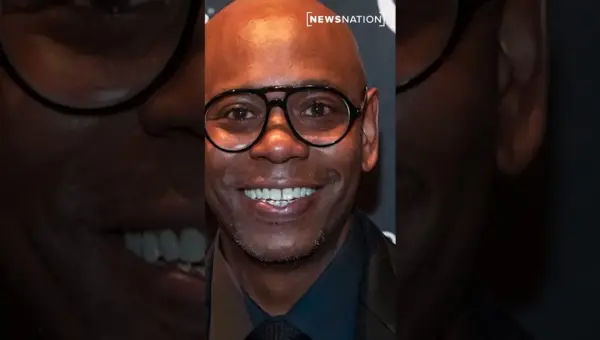
Chappelle’s Jokes: Comedy Caught in Political Crossfire
Dave Chappelle clarified his controversial jokes about transgender people are not for those with traditional views on gender, but for Democrats who dislike them. He felt the Republican Party weaponized his comedy. This raises questions about artistic intent versus audience interpretation in an increasingly polarized world.