Trump’s Health Fears Spark Global Unease
Concerns are growing over Donald Trump's cognitive and physical health, with erratic social media posts and public statements fueling speculation. These issues arise amidst rising global tensions, raising questions about his fitness for leadership. The transcript suggests a pattern of disinhibition and conspiracy-driven communication.

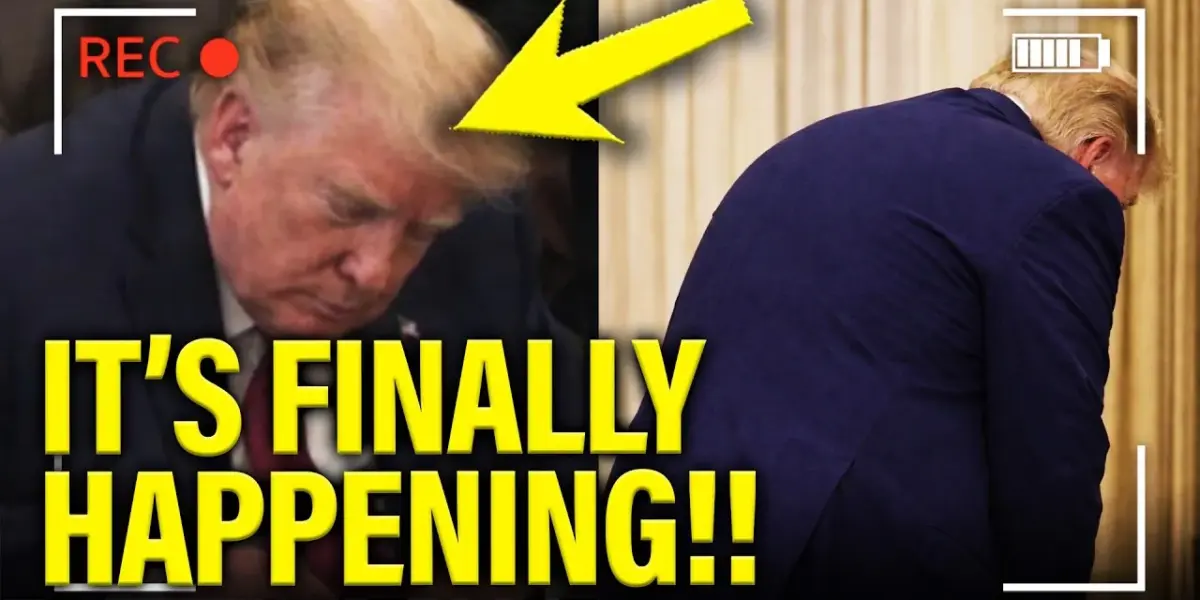
Concerns Mount Over Trump’s Cognitive State Amidst Global Tensions
Recent events have raised serious questions about Donald Trump’s physical and mental well-being, particularly as global events demand clear leadership. The transcript suggests a pattern of erratic behavior and communication, leading to worries about his fitness for office. These concerns are amplified by the complex international situations he faces, such as potential conflicts and delicate negotiations.
Erratic Communication and Foreign Policy Jabs
Late-night social media posts, described as a “psychotic meltdown” in the transcript, focused heavily on past election grievances and seemingly unfounded claims about former President Obama. This occurred while international tensions were escalating, particularly regarding Iran and the Strait of Hormuz. The transcript notes that Trump’s pronouncements on Iran, including a fabricated ceasefire and claims of controlling the Strait, appear to be attempts to delay rather than resolve issues.
Adding to the confusion, Trump held a press conference with Joe Rogan in the Oval Office. During this event, he made numerous false statements about a supposed deal with Iran to remove nuclear material. When pressed by reporters, he displayed what the transcript terms “disinhibition,” yelling at and removing the press.
Echoes of Past Health Concerns and Media Scrutiny
The transcript draws parallels between Trump’s current behavior and symptoms of dementia and Alzheimer’s, noting that his late father suffered from Alzheimer’s. This personal history, combined with observable actions, fuels speculation about his cognitive health. The Wall Street Journal is cited as reporting deep concern within the White House regarding his cognitive and physical deterioration.
An article from the Wall Street Journal highlighted Trump’s “impulsive style” and his tendency to lose focus, sometimes dwelling on trivial matters like White House ballrooms instead of pressing global issues like war. The report also suggested he expressed fear about ordering troops into dangerous situations.
Questionable Diplomacy and Unstable Negotiation Tactics
Trump’s communication style, particularly his threats towards Iran, has been described as an attempt to appear unstable to gain leverage in negotiations. His statement, “Open the Strait, you crazy bastards or you’ll be living in hell. Just watch.
Praise be to Allah,” is presented as an example of this tactic. The transcript suggests he believes this unpredictability is a strength in his dealings with other nations.
The transcript also touches upon the controversial signing of an executive order regarding psychedelics with Joe Rogan present. Trump’s comments comparing this action to President Biden’s capabilities, along with his interactions with Rogan, are presented as further evidence of his unusual conduct in office.
A Flood of Social Media Posts and Deep State Theories
The transcript details dozens of social media posts made by Trump around midnight, expressing grievances about the 2020 election and alleging treason by intelligence officials and former President Obama. These posts, characterized as incoherent and indicative of a deep-seated belief in conspiracies, included claims that “the deep state is real” and that “conspiracy theorists were right.”
The author of the transcript expresses personal concern that such communication from the President of the United States is alarming and damaging to the nation’s reputation. The posts also included accusations that Democrats changed impeachment standards to target him and defended actions related to Russian oil sanctions and NATO, while also expressing admiration for figures associated with Russian leadership.
Contradictory Statements and Public Perception
The transcript points out significant contradictions between Trump’s public statements and observable reality, particularly concerning Iran. He claimed Iran had surrendered and agreed to remove nuclear material, and that the Strait of Hormuz was open, assertions that Iran and international observers disputed.
His press conference was seen as an attempt to distract from these inconsistencies. The discussion also veered into the use of antidepressants, with Trump questioning their effectiveness and safety, while Rogan shared his personal experience with them. Trump’s subsequent signing of the executive order on psychedelics, and his boast about his signature, further added to the perception of a chaotic and unfocused administration.
Historical Context and Future Outlook
Concerns about a leader’s cognitive health are not new in history. Leaders facing immense pressure can exhibit changes in behavior.
However, the current context, with multiple global flashpoints and domestic political divisions, makes such concerns particularly critical. The transcript references Fred Trump’s struggle with Alzheimer’s, drawing a personal parallel that fuels the speculation.
The future outlook remains uncertain. The transcript suggests that if these behaviors continue, they could further erode trust in leadership and complicate international relations. The upcoming days and weeks will likely see continued scrutiny of Trump’s actions and statements, especially as major geopolitical events unfold.
Why This Matters
The stability and effectiveness of a nation’s leadership are paramount, especially during times of international crisis. When a leader’s cognitive or physical health is in question, it can create uncertainty that adversaries might exploit and allies might find unnerving. Clear, rational decision-making is essential for navigating complex foreign policy challenges, maintaining economic stability, and reassuring the public.
The transcript suggests that the current situation, marked by erratic communication and questionable policy pronouncements, could lead to miscalculations on the global stage. It also raises important questions about the media’s role in reporting on a leader’s health and the public’s right to accurate information about their elected officials.
Ultimately, the integrity of democratic institutions relies on the public’s confidence in their leaders. Any perceived or actual decline in a leader’s capacity to govern can have far-reaching consequences, impacting everything from national security to the everyday lives of citizens.
The transcript ends by noting the ongoing nature of these concerns and the need for continued observation of Trump’s behavior and public statements, particularly in light of upcoming events and the persistent questions surrounding his health.
Source: Trump HEALTH SCARE Grows as TIME IS RUNNING OUT… (YouTube)

Related Articles
Americans Flee Declining Nation Amid Social Decay
Many Americans feel their country is broken, leading to a desire to leave. This stems from extreme individualism, a focus on material wealth over community, and a decline in social cohesion. The system prioritizes a few, leaving many struggling and questioning the 'American Dream.' The current trajectory suggests a difficult future unless significant change occurs.


Europe Faces Jet Fuel Crunch, Threatening Summer Travel
Europe faces a critical jet fuel shortage, threatening summer travel. Reliant on Middle Eastern imports, disruptions have led to rising fuel costs, forcing airlines to increase ticket prices and adjust schedules. Travelers can expect higher fares and potential flight rationing as the peak season approaches.

Ukraine’s Drone War Shifts Battlefield Dynamics
Ukraine's strategic shift to drone warfare is reshaping the battlefield as Western aid dwindles. The nation's innovation in this area forces Russian adaptation and challenges Moscow's objectives. Observers note Russia's resilience despite high casualties, while Ukraine's drone advancements offer potential for future technology transfer.