US Navy Seizes Iranian Tanker, Escalating Maritime Tensions
U.S. naval forces have seized an Iranian-linked tanker attempting to breach a blockade near the Strait of Hormuz. The operation underscores U.S. resolve to enforce maritime control and pressure Iran over its nuclear program. Iran has rejected new nuclear talks, citing the blockade, while the U.S. continues its interdiction efforts.

US Navy Seizes Iranian Tanker, Escalating Maritime Tensions
U.S. naval forces have seized an Iranian-linked tanker attempting to breach a naval blockade near the Strait of Hormuz. The operation, carried out by a U.S. carrier strike group and supporting destroyers, took control of the vessel in international waters after it ignored warnings. This action highlights the ongoing enforcement of U.S. maritime control in a critical global chokepoint.
The intercepted vessel, identified as the Tusca, was attempting to enter Iranian waters. U.S. Central Command (CENTCOM) confirmed the enforcement of naval blockade measures against the Iranian-flagged cargo ship.
The U.S. Navy guided missile destroyer USS Spruance intercepted the Tusca in the Gulf of Oman, issuing warnings before disabling the vessel by damaging its engine room. U.S. Marines have since taken custody of the ship.
Blockade Enforcement and Strategic Context
The U.S. naval blockade aims to counter Iran’s efforts to sustain revenue streams, which are seen as funding its military activities. The seizure is a direct enforcement action against Iran’s attempts to circumvent international sanctions.
The U.S. maintains that the blockade will persist until Iran accepts a fair resolution regarding its nuclear program. Iran, however, has rejected proposals for new nuclear talks, citing the naval blockade and what it calls excessive demands from Washington.
Iran has stated that negotiations will not resume until the blockade is lifted. This stance comes despite Iran’s alleged failure to uphold previous commitments made after earlier rounds of talks. The situation has heightened immediate tensions in the region, demonstrating U.S. resolve to maintain its maritime interdiction strategy.
Naval Operations and Equipment
The U.S. Navy’s operations involve multiple assets, including guided missile destroyers like the USS Pinkney DDG 91 and USS Spruance. Amphibious assault ships such as the USS Rushmore LSD 47 are also participating in blockade operations, indicating a heightened state of readiness. These ships are equipped with advanced capabilities, including mine-detecting helicopters and drones, highlighting the comprehensive nature of the maritime control effort.
The blockade is designed to cut off the flow of oil to the Iranian regime, severely impacting its economic and military capacity. The U.S. military’s presence, highlighted by the USS Abraham Lincoln carrier strike group, signals a significant commitment to enforcing these measures. The deployment of over 10,000 sailors, Marines, and airmen, along with more than a dozen ships and dozens of aircraft, illustrates the scale of the operation.
Iran’s Response and Potential Tactics
In response to the enforcement actions, Iran has reportedly sent another bulk carrier to test the blockade. This move raises concerns about potential traps or diversions, as Iran is perceived as unpredictable and willing to employ unconventional tactics. The U.S. military emphasizes the need for extreme caution among forces executing the blockade, anticipating that Iran might use deceptive strategies.
The seizure of the Tusca, which is under U.S. Treasury sanctions due to prior illegal activities, is seen as a significant development. The U.S. is examining the vessel’s cargo.
The Iranian leadership is described as being in disarray, partly due to previous attacks on its command and control structures. This internal disarray contributes to the unpredictability of Iran’s actions.
Strategic Implications
The U.S. naval blockade aims to exert significant economic pressure on Iran, impacting its ability to fund its nuclear program and regional activities. By controlling maritime trade, the U.S. seeks to compel Iran back to the negotiating table under terms favorable to Washington. The enforcement of the blockade, particularly the seizure of sanctioned vessels, demonstrates a willingness to escalate pressure through direct interdiction.
This strategy could lead to a prolonged closure of key maritime routes, affecting global oil supplies and potentially causing economic ripples worldwide. The U.S. objective is to deny Iran leverage and force a verifiable and enforceable agreement on its nuclear ambitions. The situation highlights the complex geopolitical dynamics surrounding Iran’s nuclear program and its role in regional stability.
Historical Parallels
The concept of enforcing maritime blockades has a long history in military strategy, used to restrict an adversary’s trade and military movements. During conflicts, blockades have been employed to cripple enemy economies and force surrender or negotiation. The current situation echoes historical instances where naval power has been used as a primary tool for strategic coercion.
The U.S. Navy’s role in enforcing international law and maintaining freedom of navigation, while simultaneously implementing sanctions through blockades, reflects a complex application of naval power. The focus on preventing the flow of oil is a modern adaptation of traditional blockade tactics, targeting a crucial revenue source for Iran.
Future Outlook
The effectiveness of the blockade and Iran’s future responses remain critical factors. Iran’s decision to halt nuclear talks and its attempts to challenge the blockade suggest a continued reliance on brinkmanship. The U.S. military’s continued presence and operational readiness in the region signal a commitment to maintaining pressure.
The coming weeks will likely reveal whether Iran will engage in further negotiations or escalate its challenges to the blockade. The outcome hinges on the strategic calculations of both Tehran and Washington, with significant implications for regional security and global energy markets.
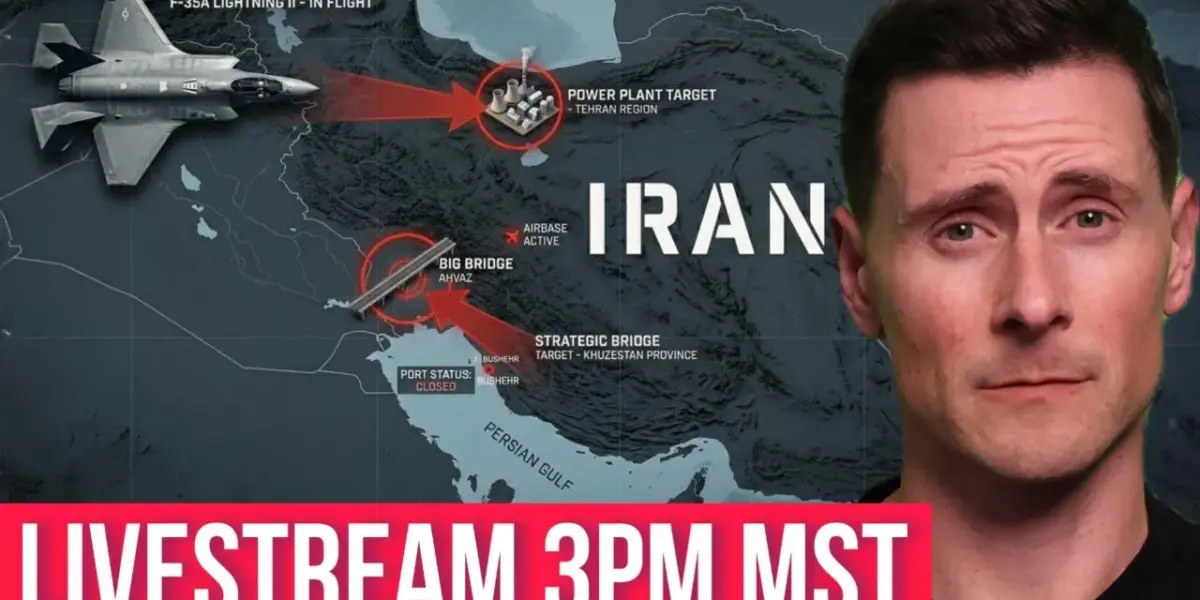
Source: U.S. Military Is Preparing to UNLEASH On Iran's Bridges And Power Plants (YouTube)

Related Articles

Trump Threatens Iran, Sends Kushner to Pakistan for Peace Talks
President Trump has issued a stark warning to Iran, threatening to destroy its infrastructure if a deal is not accepted, while sending negotiators Steve Wyckoff and Jared Kushner to Pakistan for peace talks. The absence of Vice President J.D. Vance from the delegation has raised questions about the potential for a successful agreement. Reports also suggest China has been providing satellite imagery to Iran, complicating the diplomatic landscape.
US, Iran Eye Peace Talks Amid Standoff Over Strait of Hormuz
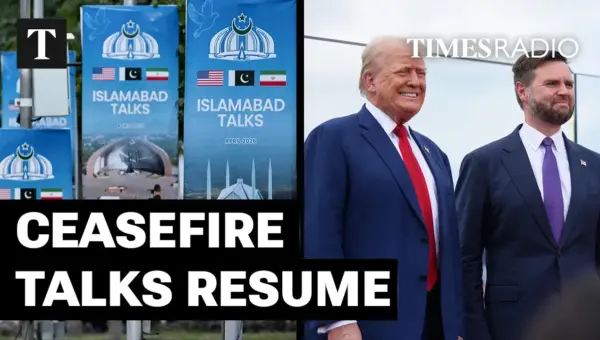
The United States and Iran are preparing for renewed peace talks in Pakistan, with both nations believing they have the upper hand following recent military and economic developments. A key focus will be extending the current ceasefire, which expires in two days, and potentially addressing the control of the Strait of Hormuz.

Trump Threatens Iran: ‘Blow Up The Whole Country’ If No Deal
President Trump has threatened to "blow up all of Iran" if a deal isn't reached following recent attacks in the Strait of Hormuz. Iran retains significant missile and drone capabilities, while both sides appear to be preparing for renewed conflict. The situation highlights the volatile nature of U.S.-Iran relations and the potential for global economic disruption.