US Blockades Iran, Trump Declares ‘World Blackmail’ Must End
President Trump has imposed a U.S. naval blockade on Iran, aiming to halt its nuclear program and prevent global "blackmail." The action restricts ships in the Strait of Hormuz and is part of a broader strategy to cripple Iran's economy and military capabilities.

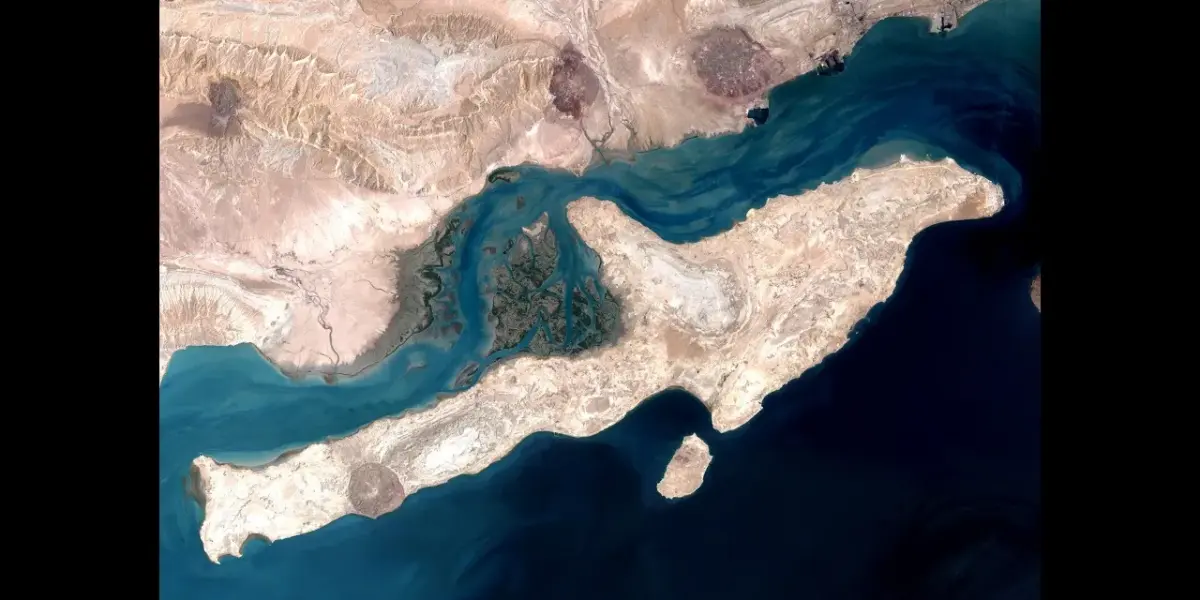
US Tightens Grip on Iran with Naval Blockade
President Trump has ordered a full U.S. naval blockade of Iran, stopping ships from entering or leaving Iranian ports. This action follows stalled peace talks and underscores the administration’s firm stance against Iran’s nuclear ambitions. The blockade, effective immediately, targets vessels in the Strait of Hormuz and along the Gulf of Oman. President Trump stated that Iran is trying to ‘blackmail the world’ and that the U.S. will not allow it.
Blockade Details and Global Impact
The U.S. Central Command announced the blockade will apply to ships from all nations. However, it will not prevent ships from passing through the Strait of Hormuz if they are heading to or from non-Iranian ports. The UK Maritime Trade Operations Agency confirmed these maritime restrictions are now in effect. This move aims to cut off Iran’s oil exports, a key source of its revenue, with other nations reportedly cooperating to enforce this oil ban.
“We can’t let a country blackmail or extort uh the world because that’s what they’re doing. They’re really blackmailing the world. We’re not going to let that happen.”
Military Action and Warnings
President Trump also declared that Iran’s navy has been ‘completely obliterated,’ with 158 ships destroyed. He mentioned that a small number of fast attack ships were spared as they weren’t considered a significant threat. However, he issued a stern warning: any of these remaining ships that approach the blockade will be ‘immediately eliminated.’ This forceful language signals a zero-tolerance policy towards any challenges to U.S. control in the region.
Iran’s Weakened State and Peace Talks
According to President Trump, Iran is in a weakened state. He claims their military is largely gone, missiles are depleted, and their ability to produce drones and missiles is defeated. He also stated that a ceasefire is holding well. Trump expressed indifference to whether Iran returns to the negotiating table, suggesting they have broken promises before, specifically regarding the opening of the Strait of Hormuz.
Media Criticism Amidst Operation
In parallel with the military actions, President Trump strongly criticized the New York Times for its coverage of what he called ‘Operation Epic Fury.’ He labeled the newspaper ‘corrupt’ and accused it of misrepresenting the situation, making it seem as though Iran is winning. The White House believes biased media coverage poses significant risks to national security, potentially undermining the U.S.’s decisive actions and creating a false narrative about the conflict.
Why This Matters
This escalation marks a significant moment in U.S.-Iran relations. The naval blockade is a powerful tool designed to cripple Iran’s economy and force its compliance. It reflects a broader U.S. strategy to isolate Iran and prevent it from developing nuclear weapons. The President’s aggressive rhetoric and military actions highlight a willingness to use significant force to achieve foreign policy goals.
Historical Context
Tensions between the U.S. and Iran have been high for decades, particularly following the 1979 Iranian Revolution. The U.S. has long opposed Iran’s nuclear program, viewing it as a threat to regional and global stability. Previous U.S. administrations have employed various tactics, including sanctions and diplomatic pressure, to curb Iran’s nuclear activities. This blockade represents a more direct and forceful approach.
Implications and Future Outlook
The blockade could lead to increased regional instability and potential retaliation from Iran or its allies. It also raises concerns about freedom of navigation for international shipping. The effectiveness of the blockade in forcing Iran to abandon its nuclear program remains to be seen. However, the U.S. appears committed to this strategy, suggesting a prolonged period of high tension and potential conflict in the Persian Gulf region. The administration’s focus on controlling oil exports highlights its economic pressure strategy.
Source: Trump Says US Cannot Let Iran 'Blackmail the World' (YouTube)

Related Articles
US Blockades Iranian Ports Amid Tensions, Risks Global Fallout
The U.S. military has begun blockading Iranian ports in an effort to pressure Tehran into a deal, risking higher global energy prices and wider conflict. Despite President Trump's warnings and Iran's retaliatory threats, diplomatic talks are reportedly being considered, with potential in-person negotiations on the horizon.

Iran Blockade Shifts Global Oil Flow to U.S.
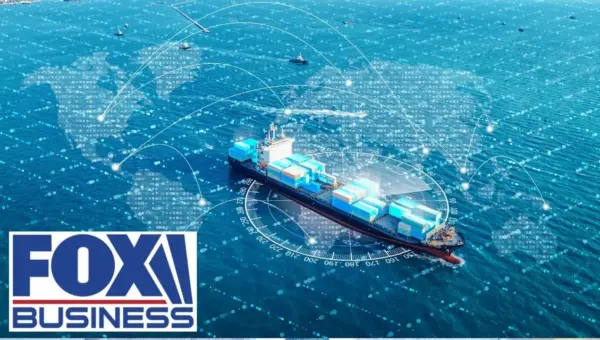
A blockade in the Strait of Hormuz has triggered a major shift in global oil supply routes, with supertankers now heading to the U.S. Gulf Coast. Despite geopolitical tensions, markets remain resilient, and corporate profits are projected to rise.
Trump’s Tariff Threat: China’s Iran Arms Deal Sparks Crisis
President Trump has warned China against supplying weapons to Iran, threatening a "staggering" 50% tariff if they do. U.S. intelligence reports suggest China may be preparing to send air defense systems, including missiles, to Iran. This development significantly heightens tensions ahead of a crucial summit between President Trump and Chinese President Xi Jinping.