Health Minister Defends NHS Reforms Amid Defense Criticism
Health Minister Karen Smith announced new community diagnostic centers to boost NHS testing capacity and cut wait times. The move aims to bring care closer to patients and improve survival rates. The minister also defended the government's defense spending plans amid sharp criticism from a former NATO chief.

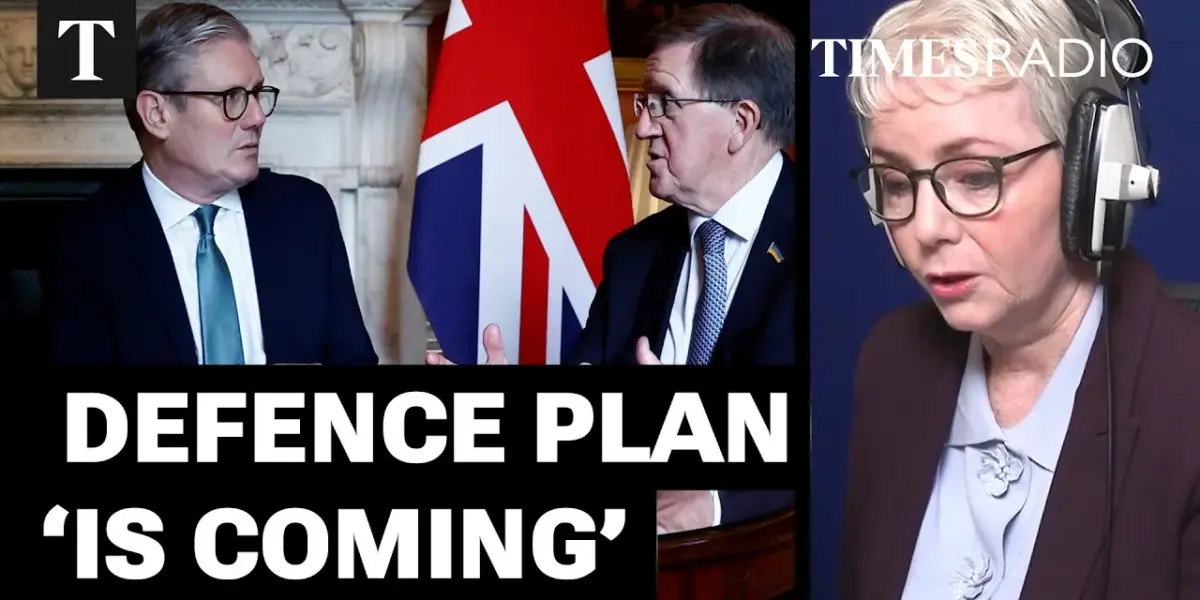
NHS Boost: New Centers Aim to Cut Wait Times
Health Minister Karen Smith announced a significant investment in new community diagnostic centers across England. This initiative aims to boost the National Health Service’s (NHS) ability to perform tests and scans. The goal is to make these vital services more accessible to people in their local communities. “We’re expanding these to be more of the 12 hours, seven days a week,” Smith stated. This move is part of a broader plan to “bring care closer to patients.” The idea is to fit NHS services around people’s lives, not the other way around.
Faster Diagnoses, Reduced Waiting Lists
A major focus of these new centers is to tackle long waiting lists for diagnostic tests. Many people are waiting for these tests to either confirm they don’t need further treatment or to get a diagnosis sooner. Smith explained that these centers will operate longer hours, including evenings and weekends. This aims to make appointments more convenient for those who are working or have other daily commitments. Some centers are even located in shopping centers, which could help revitalize high streets while offering easier access for patients.
Improving Hospital Efficiency and Patient Care
The minister addressed concerns about hospital efficiency, particularly during weekends. While hospitals often quiet down on Saturdays and Sundays, with fewer scans available and staff present, Smith acknowledged this is a problem. “It is a problem that can be fixed,” she asserted. She noted that while some hospitals do offer weekend services, it’s not universal. The new diagnostic centers are designed to handle planned care, meaning they are scheduled in advance and less likely to be interrupted by emergencies. This predictability is key to getting patients seen quickly and efficiently.
“This is really part of our plan to bring care closer to patients to fit NHS services around patients and not the other way round.”
Addressing Survival Rates and NHS Structure
The discussion also touched upon the UK’s survival rates for serious illnesses, which are reported to be among the lowest in wealthy nations. A recent report highlighted this as a core failing of the NHS. Smith attributed this to a lack of investment in the right areas over the past. “We haven’t invested in the right places,” she admitted. The government’s focus on diagnostics is intended to reverse this trend. “Sort of 80% of the waiting list are waiting for diagnostics,” Smith said, emphasizing the critical role these tests play, especially for cancer detection and treatment.
Debate on NHS Model and Decentralization
Questions were raised about why the NHS model, unique to the UK, isn’t replicated elsewhere, especially given the country’s concerning survival rates. Smith defended the founding principles of the NHS, stating they are “deeply rooted in us as a country.” She acknowledged that the world has changed since the NHS was created in 1948, with people living longer and facing more complex illnesses. However, she argued that other models are often more expensive to administer. “We have very low administration and very low management and running costs,” she noted. The government plans to devolve more responsibility locally to improve accountability and responsiveness.
Defense Criticisms and Government Response
The conversation shifted to criticism from former NATO chief George Robertson regarding the government’s defense spending. Robertson called the Prime Minister’s approach “corrosive complacency” and described Treasury officials as “vandals” for blocking a defense investment plan. He also stated that Britain cannot defend itself with an ever-expanding welfare budget. Health Minister Smith acknowledged the “very strong” language but defended the government’s commitment to defense. “We knew coming into government that the hollowing out of our defense capability was a mistake,” she said. She highlighted ongoing efforts to build more ships and submarines, reversing a “decline that we’ve seen over the last 14 years.”
Balancing Welfare and Defense Spending
When pressed on the issue of welfare versus defense spending, Smith stated the aim is to spend “the right money in the right place in all our budgets.” She suggested that welfare reforms aimed at getting people back into work would help reduce the welfare budget over time. “We will be reducing that welfare budget for people who should be in work,” she indicated. The government has committed to increasing the defense budget, aiming for a 3% target through the next parliamentary term. Smith expressed confidence that a defense investment plan is being worked on and will be released soon.
Looking Ahead: Continued Focus on Health and Defense
The government’s focus remains on improving NHS services through initiatives like community diagnostic centers and by addressing structural issues within the health system. Simultaneously, efforts are underway to bolster national defense capabilities. The public will be watching closely to see how these plans translate into tangible improvements in healthcare outcomes and national security in the coming months and years.
Source: Minister Reacts To ‘Strong Language’ From Ex Nato Chief Criticising UK Defence (YouTube)

Related Articles


Taiwan’s Defense Budget Fight: A Risky Game with China
Taiwan's defense spending plan is stalled due to opposition party actions, raising concerns in Washington about the island's vulnerability to China. U.S. lawmakers are urging approval of a $40 billion budget amid increasing Chinese military drills.


Trump Criticizes NATO, Allies Face Defense Spending Demands
Former President Donald Trump has renewed his criticisms of NATO, questioning the alliance's effectiveness and the commitment of its members. His remarks come amid ongoing debates about defense spending and the future of collective security, with significant bipartisan support for NATO existing within the U.S. Congress.


UK Faces Global Crises, Defense Spending Row, and Benefit Freeze
The UK faces economic strain from global conflicts and a heated debate over defense spending, while ruling out benefit cuts. Political editor Steven Swinford confirmed no plans to alter welfare or pension payments due to a broad political consensus and financial constraints.