Congress Returns: Budget Battles, Iran Vote, and DHS Funding Loom
Congress is back to tackle a packed agenda, including budget battles, funding for Homeland Security, and a crucial vote on military action in Iran. Divisions over the filibuster and the balance of power in foreign policy are also on the table.

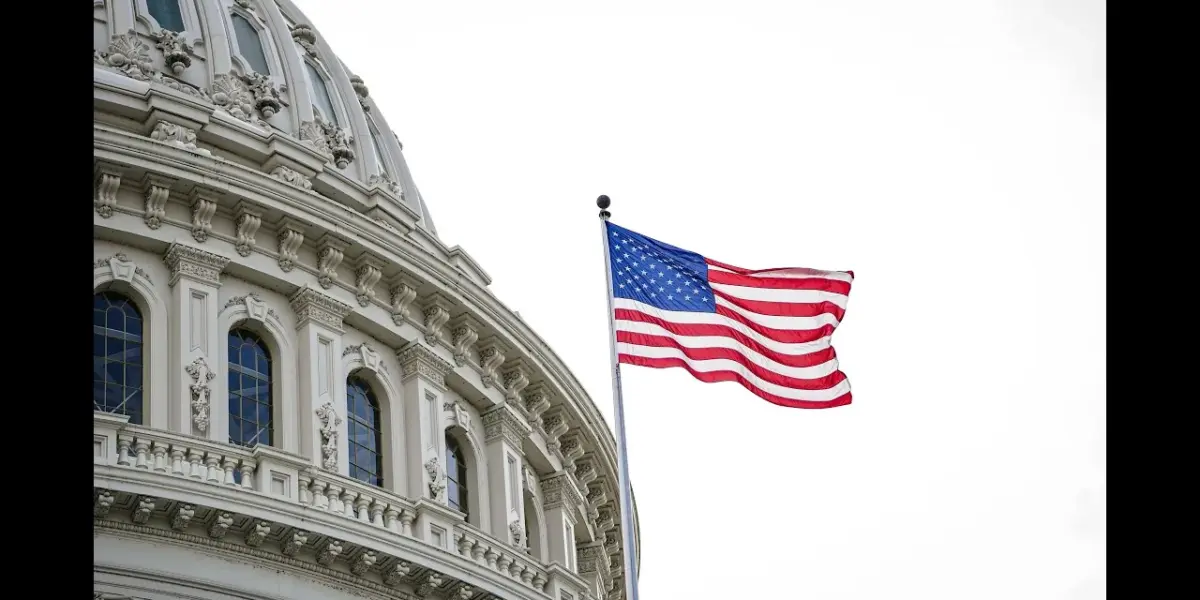
Congress Returns: Budget Battles, Iran Vote, and DHS Funding Loom
Lawmakers are back in Washington after a two-week break. Their top priorities include passing a budget to fund immigration enforcement and a vote on US military actions in Iran. The Senate starts back on Monday, with the House joining on Tuesday. Hearings will begin Wednesday to discuss President Trump’s budget request for the upcoming fiscal year. Several top officials, including the Secretaries of Health and Human Services, Agriculture, and Energy, are scheduled to testify.
Meanwhile, Senate Republicans are pushing a specific budget plan. This plan would provide funding for the Department of Homeland Security for three years. Senator Lindsey Graham is leading this effort. The goal is to send this bill to the president’s desk by June 1st. However, not everyone agrees on moving quickly. Some conservatives, like Senator Mike Lee, want more time for debate on the Senate floor. This disagreement is also fueling a larger debate about the filibuster, a Senate rule that can delay or block votes.
Senator Rick Scott posted on X, “The filibuster was never meant to be a permanent veto. It’s time to blow up the filibuster.” Senator Tommy Tuberville agreed, saying, “Let’s get rid of the filibuster now.” They believe ending it will help Congress deliver for the American people faster.
Lawmakers may also have to decide on US military action overseas. Democrats are preparing to force a vote on the War Powers Act. This vote could limit the president’s ability to conduct military operations against Iran without Congress’s clear approval. Some Republicans are already speaking out against any changes. Senator Graham stated, “The only difference between al-Qaeda and the Iranian regime is that one is a Sunni terrorist organization and the other is a Shia terrorist state. No enrichment means no enrichment.”
Back in the House, there’s talk of removing a member. Congressman Eric Swalwell has dropped his campaign for California governor. This comes after allegations of sexual assault were made against him. Congresswoman Anna Paulina Luna plans to push for a vote to expel him from the House. Expelling a member requires a two-thirds majority vote. House Democratic leadership has called for a thorough investigation. They stated that the accusations must be taken seriously and handled quickly.
Why This Matters
The return of Congress brings several critical issues to the forefront. The budget process is always a complex negotiation, and this year is no different. Funding for immigration enforcement and the Department of Homeland Security directly impacts national security and border policies. The debate over the filibuster highlights deep divisions within the Senate. If the filibuster is weakened or removed, it could significantly change how laws are passed in the future, making it easier for the majority party to advance its agenda without compromise.
The potential vote on military action in Iran is also a major point of discussion. Congress has the power to declare war, and this vote could be a significant check on the executive branch’s foreign policy powers. It raises questions about the balance of power between the President and Congress, especially in matters of national security. The debate reflects differing views on how to handle threats from Iran, with some advocating for a strong stance against any nuclear development.
Finally, the potential expulsion of a House member brings ethical considerations into sharp focus. Allegations of sexual assault are serious matters that require careful and swift handling. The process of expulsion itself is rare and underscores the importance of maintaining standards of conduct within the legislative body. How Congress addresses these allegations will send a message about accountability and due process.
Implications, Trends, and Future Outlook
The current legislative session shows a trend of partisan division, particularly in the Senate. The fight over the filibuster is a key indicator of this. If the filibuster is reformed or eliminated, future legislation could pass more easily, but potentially with less bipartisan support. This could lead to more sweeping policy changes that are later reversed when power shifts.
On foreign policy, the push for a War Powers Act vote concerning Iran suggests a growing desire among some lawmakers to assert congressional authority. This could lead to more frequent congressional involvement in decisions about military engagement abroad. It also reflects ongoing global concerns about Iran’s nuclear program and its regional influence.
The budget battles are a recurring theme, often leading to last-minute deals or continuing resolutions. This year’s focus on a three-year DHS funding plan could provide more stability for the agency, but the broader budget negotiations will likely remain contentious. The outcome of these debates will shape federal spending priorities for the coming years.
Historical Context and Background
The filibuster has a long history in the US Senate, originating in the early 19th century. It was not explicitly written into Senate rules but evolved over time. It has been used both to block legislation and, at times, to force compromise. Debates about its use and potential elimination are not new, resurfacing whenever a party feels significantly blocked by the minority.
The War Powers Act of 1973 was passed by Congress over President Nixon’s veto. It was designed to give Congress more say in committing US forces to armed conflict. Presidents have often navigated its provisions, leading to ongoing tension between the branches of government regarding foreign policy and military action. The current focus on Iran is part of a larger, decades-long complex relationship between the US and Iran, marked by periods of tension and diplomatic efforts.
Expulsion from Congress is a rare but constitutional power. Since the founding of the US, only a handful of members have been expelled, typically for actions deemed treasonous or severely damaging to the integrity of the House or Senate. The process requires a significant supermajority, ensuring it is not used lightly.
Source: Lawmakers Back in Session With Budget, Iran, and DHS Funding on Deck (YouTube)

Related Articles
US Blockades Iranian Ports Amid Tensions, Risks Global Fallout
The U.S. military has begun blockading Iranian ports in an effort to pressure Tehran into a deal, risking higher global energy prices and wider conflict. Despite President Trump's warnings and Iran's retaliatory threats, diplomatic talks are reportedly being considered, with potential in-person negotiations on the horizon.
Trump’s Tariff Threat: China’s Iran Arms Deal Sparks Crisis
President Trump has warned China against supplying weapons to Iran, threatening a "staggering" 50% tariff if they do. U.S. intelligence reports suggest China may be preparing to send air defense systems, including missiles, to Iran. This development significantly heightens tensions ahead of a crucial summit between President Trump and Chinese President Xi Jinping.

Trump’s ‘Madman’ Posts and Iran War Raise Mental Health Concerns
Former President Donald Trump's mental fitness is under renewed scrutiny following controversial statements about the Pope and Iran, alongside a former Chief of Staff's reported conclusion of mental illness. His handling of the Iran conflict and a 'Christ-like' social media post are cited as evidence of erratic behavior.