Ukraine’s Drones Hit Russian Rear: A New War Phase
Ukraine is now using medium-range drones to strike Russian logistics hubs like Donetsk, deep behind enemy lines. This new strategy targets supply routes, disrupting Russia's ability to fight. Meanwhile, Russia continues its heavy missile and drone attacks on Ukrainian cities.

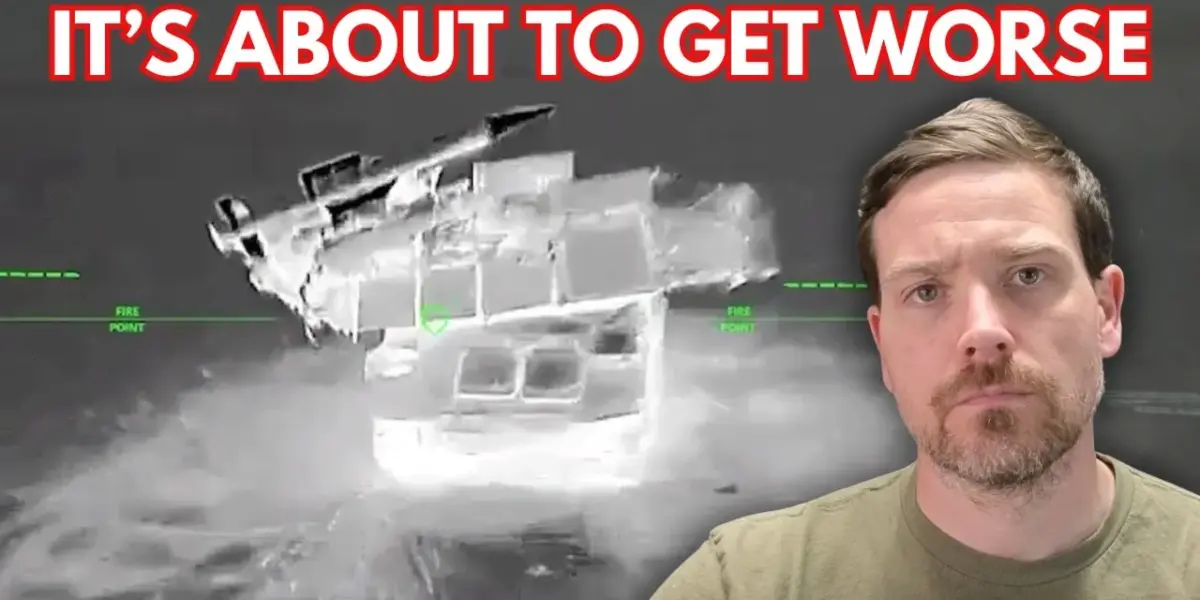
Ukraine’s Drones Hit Russian Rear: A New War Phase
Ukrainian forces are increasingly targeting Russia’s supply lines deep behind enemy lines. This new strategy uses smaller, medium-range drones to strike at logistical hubs. These attacks aim to disrupt Russia’s ability to fight on the front lines.
The city of Donetsk, occupied by Russia since 2014, is a key target. It is a major center for supplying Russian troops in the eastern Donbas region. While long-range weapons could previously reach Donetsk, Ukraine is now using drones to hit targets 30 to 70 kilometers from the front.
Targeting the Lifeline
The Ukrainian National Guard’s Azov unit, specifically its unmanned systems forces, announced their success. They claim to control enemy logistics near Donetsk, hunting Russian supply vehicles. Drones are now watching all roads around the city, making it unsafe for military movements.
Pilots from the Azov unit stated that all military targets on roads around Donetsk will be destroyed. They emphasized that there is no safe rear area for Russian forces. It has become impossible for them to hide or defend themselves effectively.
Ukrainian media outlet United 24 reported that drone operators have been systematically hitting Russian military logistics. This includes routes in and around occupied Donetsk, even areas over 50 kilometers from the front. Footage shows drones striking vehicles carrying personnel, ammunition, and fuel.
A New Kind of Threat
These medium-range strikes are significant because they bypass some of Russia’s air defenses. Advanced air defense systems are often designed to counter larger drones or aircraft. Smaller drones operating at longer distances are harder to detect and shoot down.
When trucks carrying vital supplies are hit on the roads around Donetsk, it forces Russia to change its operations. This presents a new threat that must be included in their daily planning. At the very least, it disrupts Russia’s communication and supply chains.
While shutting down these areas completely would take many drones and time, it appears to be Ukraine’s main operational goal for 2026. This strategy aims to weaken Russia’s ability to sustain its offensive operations.
A Chilling Message
The Ukrainian 414th unmanned systems regiment, known as the “Madyard Birds,” sent a direct message to Russia. They warned, “Worms, you’re effed. We’re just warming up the engines.
Buckle up. It’s about to go all the way down your throat.” This aggressive statement reflects their confidence in their new capabilities.
The Madyard Birds recently released footage of their strikes on the night of April 16th. They claim to have hit three air defense systems, two Iskander missile bases, the Rubicon base, and two oil depots. Multiple logistics and support facilities were also targeted, totaling 16 military objectives.
Striking Iskander bases is particularly noteworthy. These are not front-line targets but are located deep behind enemy lines. Taking out these bases and air defense systems degrades Russia’s ability to control its airspace and launch its own long-range attacks.
Degrading Air Defenses
Ukraine has been working to degrade Russian air defenses since the war began. By taking out these systems, Ukraine increases the chances of its own long-range missiles, like Storm Shadows or ATACMS, reaching their targets inside Russia.
The destruction of even one air defense system is significant. These systems are expensive and take a long time to build. Losing them weakens Russia’s ability to protect key areas and infrastructure.
This ongoing effort to dismantle Russia’s air defenses is crucial. It allows Ukraine to conduct its own strikes more effectively and with less risk to its aircraft and long-range munitions.
The Cost of War: A Humanitarian Effort
Amidst these military developments, there is also a significant humanitarian effort underway. A fundraiser is supporting the delivery of vehicles to Ukrainian units. Nine vehicles have already been delivered since February, with more planned.
The current campaign aims to raise $97,000 to support two units: the Sarapin battalion and a special operations unit. These vehicles are vital for troop transport, medical evacuations, and general logistical support on the front lines.
The fundraiser’s success highlights the community’s commitment to supporting Ukraine. Donations are quickly put to use, providing much-needed equipment to soldiers on the ground.
Russia’s Response: Escalated Attacks
With Ukraine’s ability to disrupt Russian logistics growing, Russia appears to be intensifying its long-range missile and drone attacks. The night of April 16th saw one of the deadliest barrages of 2026 against Ukrainian cities.
Over 700 munitions were fired into Ukraine, targeting cities like Kyiv, Dnipro, and Odesa. At least 17 people were killed and over 100 wounded. This assault underscores Russia’s strategy of targeting civilian areas when facing setbacks on the battlefield.
Despite Ukraine’s air defenses intercepting a large percentage of these munitions, some still get through. Even a few successful strikes can cause significant damage and loss of life, showing the persistent threat Russia poses.
A Call for Continued Support
Ukrainian President Zelenskyy stated that Russia does not deserve any easing of global pressure or sanctions. He emphasized that Russia is betting on war, and the response must be equally firm. He called for timely fulfillment of all aid promises from international partners.
A significant development is the potential approval of a 90 billion euro loan from the European Union. This funding, previously blocked by Hungary, could soon be available for Ukraine’s defense industry.
This loan could help Ukraine purchase more air defense interceptors or expand its domestic production of defense equipment. Closing the skies over Ukraine remains a top priority to counter Russia’s ongoing attacks.
Why This Matters
Ukraine’s successful use of medium-range drones against Russian logistics marks a strategic shift. It demonstrates Ukraine’s ability to deny Russia a safe rear and disrupt its operational capabilities. This puts pressure on Russia’s ability to sustain its advances.
The effectiveness of these drones, especially against targets far from the front, forces Russia to divert resources to defense. This also comes at a time when Russia is escalating its own missile and drone attacks on Ukrainian cities. The conflict is increasingly characterized by strikes deep into each other’s territory.
The ongoing need for international aid, particularly air defense systems and financial support, is critical. Ukraine’s ability to defend itself and project power relies on sustained and timely assistance from its allies.
Implications and Future Outlook
The trend suggests a continued focus on striking deep into enemy territory for both sides. Ukraine will likely continue to refine its drone tactics, targeting more logistical hubs and air defense systems. Russia will probably maintain its campaign of long-range strikes against Ukrainian infrastructure and cities.
The effectiveness of Ukraine’s medium-range drone operations could force Russia to rethink its troop deployment and supply strategies. It may also lead to increased Russian efforts to counter these smaller, harder-to-detect threats.
The upcoming EU loan could provide Ukraine with a significant boost in its defense capabilities. This includes strengthening its air defense and potentially expanding its own drone production, further leveling the playing field.
Historical Context
Since Russia’s full-scale invasion in 2022, both sides have increasingly used drones. Initially, larger drones and missiles were the primary long-range weapons. However, the development and widespread use of smaller, cheaper FPV (first-person view) drones have changed the battlefield.
These FPV drones, often modified commercial drones, are highly effective for reconnaissance and direct attacks on enemy positions and vehicles. Ukraine’s innovation in adapting these technologies for medium-range strikes is a key development.
Russia has also employed drones extensively, particularly Iranian-made Shahed drones, for widespread attacks on Ukrainian cities and infrastructure. The current situation represents an escalation in the drone war, with both sides seeking to disrupt the other’s operations through long-range strikes.
Looking Ahead
Ukraine’s focus on degrading Russian logistics and air defenses is a critical strategy. The successful implementation of these medium-range drone strikes is a sign of Ukraine’s evolving military capabilities.
The coming months will likely see a continued back-and-forth of long-range attacks. Ukraine’s ability to sustain and expand its drone operations, coupled with timely international aid, will be crucial.
The next significant development to watch will be the actual disbursement and utilization of the potential 90 billion euro EU loan for Ukraine’s defense industrial base.
Source: Ukraine Just Issued a Chilling Warning to Russia (YouTube)

Related Articles


Pope Francis Denounces ‘Tyrants,’ Bishop Urges Peace
Pope Francis has strongly denounced "tyrants" ravaging the world, urging global leaders to prioritize peace and the rebuilding of nations over destruction. Bishop Kenneth Novakski of the Ukrainian Catholic Church supported the Pope's message, clarifying that while the pontiff's words were powerful, they were not specifically directed at any individual leader. The Bishop also highlighted the ongoing focus on ending the war in Ukraine and praying for world peace.


Hungary Ousts Putin Ally, Shifting EU Stance
Hungary's recent election ousted Viktor Orban, a key Putin ally, potentially altering the EU's stance on Russia and Ukraine. The new government may lift Orban's blockade on crucial aid for Ukraine. This shift comes amidst complex US-Iran negotiations and Ukraine's continued resilience on the battlefield.


Russia Strikes Ukraine Amidst Escalating Conflict
On April 16, Russian forces launched a significant attack on Ukrainian territory, causing widespread destruction in residential areas. A family narrowly escaped tragedy when a second explosion collapsed their roof, but a young child's decision to sleep with his mother saved them from the direct impact.