Trump Clarifies Stance: Pope’s Views on Iran Nuclear Threat Clash
Former President Donald Trump has stated he is "not fighting" with the Pope but clearly disagrees with the religious leader's views on Iran's nuclear program. Trump believes Iran must not obtain nuclear weapons, citing global security risks. He also highlighted Iran's human rights record and ongoing peace efforts in the Middle East.

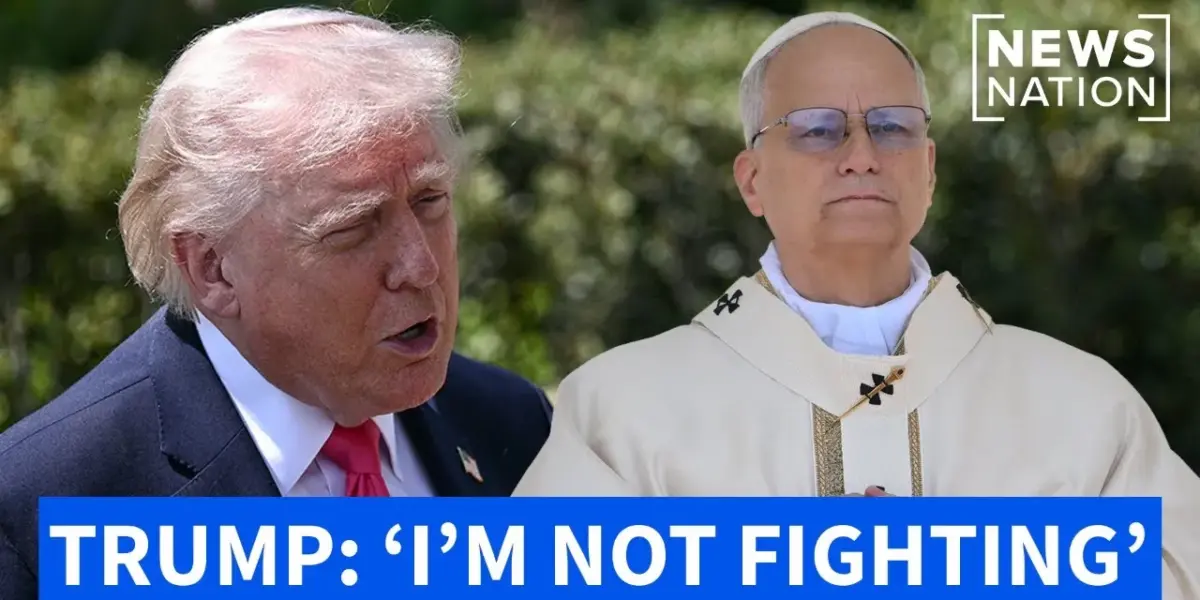
Trump Distances Himself from Pope on Iran Nuclear Deal
Former President Donald Trump recently clarified his position regarding the Pope’s views on Iran’s potential nuclear capabilities. While stating he has “nothing against the Pope,” Trump made it clear that he disagrees with the religious leader’s assessment of Iran’s nuclear program. The core of their disagreement centers on the possibility of Iran acquiring nuclear weapons, a prospect Trump views as a grave threat to global security.
Trump’s statements came amidst discussions about Iran’s nuclear ambitions and potential peace deals in the Middle East. He emphasized his belief that Iran cannot be allowed to possess nuclear weapons, warning that such an event would destabilize the entire world, particularly the Middle East. This firm stance highlights a significant policy difference on a critical international issue.
Iran’s Human Rights Record and Nuclear Concerns
Trump also brought up Iran’s human rights record, referencing the killing of over 42,000 people in the country. He contrasted this with the idea of peaceful protests, suggesting that the Pope should consider the real-world consequences of Iran’s actions. This point seems to be Trump’s way of framing the situation in stark, tangible terms, separate from purely theological or diplomatic considerations.
He further elaborated on the potential danger if Iran were to obtain nuclear weapons. Trump argued that a nuclear-armed Iran would inevitably use such weapons, leading to widespread devastation and the deaths of millions. This depiction paints a grim picture of the future if Iran’s nuclear program is not halted.
Focus on Middle East Peace and Diplomacy
Shifting focus, Trump mentioned ongoing diplomatic efforts in the Middle East. He indicated that a deal involving Lebanon and Israel was close to being finalized, with a potential meeting at the White House. This suggests a commitment to brokering peace agreements in the region, even while disagreeing with the Pope on specific policy matters.
The former President expressed optimism about reaching an agreement, noting that it would be a significant achievement. He stressed that the goal is to move towards peace and stability, implying that his approach, while perhaps differing from the Pope’s, is aimed at achieving positive outcomes for the region and the world.
Why This Matters
This exchange is important because it illustrates how different leaders and figures interpret complex geopolitical situations. It shows that even within allied or respected relationships, significant policy disagreements can exist. Trump’s directness in stating his opposition to the Pope’s views on Iran’s nuclear program highlights his often unconventional approach to foreign policy and diplomacy.
The differing perspectives also highlight the complex nature of international relations. While the Pope’s concerns often stem from a moral and humanitarian standpoint, political leaders like Trump must also consider national security, strategic interests, and the potential for conflict. This difference in perspective can lead to varied approaches to diplomacy and the use of power.
Historical Context and Future Outlook
Concerns about Iran’s nuclear program are not new. For decades, international bodies and various nations have worked to prevent Iran from developing nuclear weapons, fearing the consequences for regional stability and global security. Past agreements, like the Joint Comprehensive Plan of Action (JCPOA), aimed to curb Iran’s nuclear activities in exchange for sanctions relief, but these have faced challenges and disagreements among international powers.
Trump’s presidency saw a withdrawal from the JCPOA, signaling a tougher stance on Iran. His current statements suggest a continuation of this policy, prioritizing the prevention of Iran acquiring nuclear weapons above other considerations. The future outlook remains uncertain, with ongoing negotiations and potential for further escalation or de-escalation depending on the diplomatic paths chosen by Iran and the international community.
The ongoing efforts to broker peace between Lebanon and Israel, as mentioned by Trump, could represent a positive development. However, the broader issue of Iran’s nuclear program continues to be a significant point of contention, influencing regional dynamics and international relations. The world will be watching to see how these diplomatic efforts unfold and whether a peaceful resolution can be found.
Source: 'I’m not fighting' with the pope: Trump | NewsNation Live (YouTube)

Related Articles
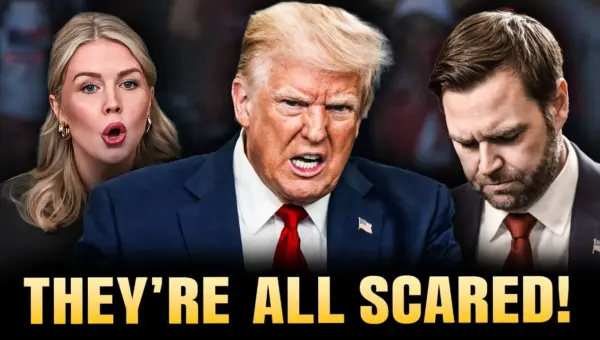
Trump’s Pardon Promises Signal a Troubling Future
Reports indicate Donald Trump has promised widespread presidential pardons for his staff and associates in a potential second term. While his administration downplays these remarks as jokes, the broad power of the pardon raises concerns about accountability and the rule of law.
JD Vance Faces Backlash After Empty Rally and Pope Controversy
Senator JD Vance faced a difficult week marked by a sparsely attended event and public criticism for his remarks about Pope Francis. The senator's foreign policy endeavors also encountered setbacks. Analysts suggest Vance's struggles may be linked to his association with Donald Trump.

Trump’s Ceasefire Claims Mask Growing War Crimes
Dozens of nations have jointly condemned Israel's alleged war crimes in Lebanon, yet Donald Trump's announcement of a 10-day ceasefire has dominated headlines. This analysis questions the sincerity and effectiveness of Trump's peace efforts, highlighting a history of broken promises and ongoing violence, while also noting international condemnation of actions against UN peacekeepers.