US Blockade on Iran Fuels Oil Tensions, Asia Feels Pinch
The US has imposed a blockade on Iranian ports, escalating tensions and potentially disrupting global oil supplies. While the US leverages its own oil production, Asian nations like China face the most significant economic impact from the Strait of Hormuz closure.

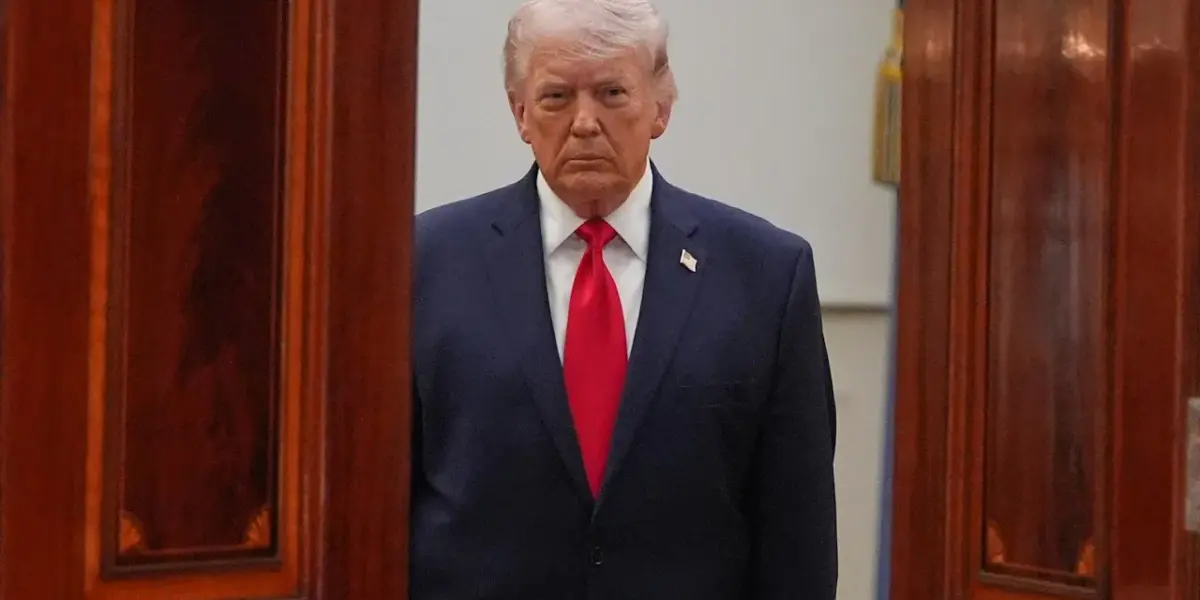
US Tightens Grip: Iran Blockade Sparks Global Oil Concerns
The United States has initiated a naval blockade of Iranian ports, a move President Trump announced with a strong warning. Any Iranian ships coming too close to this blockade will face destruction. This action is a significant escalation in the ongoing tensions between the two nations.
The Strait of Hormuz: A Vital Waterway
The blockade specifically targets the Strait of Hormuz, a critical chokepoint for global oil transport. One-fifth of the world’s oil passes through this narrow waterway. However, the impact is not evenly distributed. About 90% of the oil moving through the Strait heads to Asia, with China alone accounting for roughly 40% of this traffic. In contrast, the United States accounts for only a small fraction, about 2.5%, of the oil passing through.
Asian Allies Feel the Heat
This means countries in Asia, particularly China, will likely feel the brunt of this blockade. China, a major ally of Iran, has been a key supporter, providing both financial and military aid. Reports suggest China might even send more air defense weapons to Iran. President Trump has warned China that such actions would lead to “big problems.” As a result, oil prices have already seen a surge following the announcement, hitting Asian markets the hardest.
US Oil Independence as a Strategic Advantage
While Asian nations face potential disruption, the US appears to be in a stronger position. The transcript highlights that US oil exports have reached record levels, surging to 4.9 million barrels per day in April. President Trump believes this blockade will not only hinder Iran but also redirect oil traffic to the US. He suggested that many boats heading to fill up with oil might now bypass the Strait of Hormuz altogether, heading towards the US instead. This suggests a strategic goal to leverage US oil production as a tool in international policy.
Diplomatic Efforts Stall
This blockade follows a period of intense diplomatic talks with Iran, held in person over the weekend in Pakistan. These marathon discussions, however, did not yield a deal. US officials indicated that Iran refused to abandon its nuclear ambitions, a key point of contention. While the nuclear issue remains on the table, the immediate focus has shifted to the economic and military pressure being applied through the blockade.
Trump’s Warning: “Eliminated” and “Destroyed”
President Trump’s rhetoric is stark. He stated that Iran’s navy has been significantly weakened, with 158 ships allegedly “obliterated.” He specifically mentioned that fast attack ships, considered a lesser threat, have been spared. However, he issued a clear threat: any of these remaining ships that come “anywhere close” to the US blockade will be “immediately eliminated.” He compared this action to the methods used against drug dealers at sea, emphasizing a zero-tolerance policy.
Iran’s Broken Promises?
The transcript also touches on a past agreement. President Trump alluded to Iran breaking its word and its promise to open the Strait of Hormuz. He accused Iran of lying about this commitment. This perceived breach of trust appears to be a significant factor behind the current aggressive stance.
Future Outlook: Continued Pressure and Open Negotiations
Despite the strong military posture, President Trump has kept the door open for Iran to return to the negotiation table. However, he also conveyed a sense of indifference, stating that he would be fine even if they didn’t return, given the perceived dimming of their military capabilities. He mentioned that Iran’s missile manufacturing capacity and overall military strength have been largely defeated. Yet, the threat to Iran’s energy and water infrastructure remains. White House officials confirmed that the president is “wisely keeping all of his options on the table,” indicating that further actions could be taken if necessary.
Why This Matters
This naval blockade represents a significant escalation in US-Iran relations and has far-reaching implications for global energy markets. The impact on Asian economies, particularly China, could be substantial, potentially altering trade dynamics. The US strategy appears to be a calculated move to exert maximum economic pressure on Iran while relying on its own growing oil production as a buffer. The situation highlights the delicate balance of power in the Middle East and the interconnectedness of global energy security. The coming weeks will be crucial in determining whether this blockade leads to renewed negotiations or further conflict, with Asian nations bearing a significant portion of the immediate economic burden.
Historical Context
Tensions between the US and Iran have a long and complex history, dating back to the 1979 Iranian Revolution. The Strait of Hormuz has been a point of contention for decades, with both countries having engaged in actions to control or influence passage through it. Previous incidents involving naval standoffs and the threat of mine warfare have occurred in this vital waterway. This blockade is the latest chapter in this ongoing struggle for regional influence and control over crucial energy routes.
Implications and Trends
The reliance on oil as a geopolitical tool is a continuing trend. The US, with its increased oil production, is demonstrating a capacity to use energy independence as a foreign policy lever. This could influence how other nations approach their own energy resources and international relations. The potential for China and Iran to strengthen their ties in the face of US pressure is also a significant development to watch. This could lead to a further polarization of international alliances.
Future Outlook
The future remains uncertain. The success of the blockade in forcing Iran back to negotiations, or its unintended consequences on global markets and regional stability, will unfold over time. The US commitment to maintaining pressure while offering an off-ramp for talks suggests a strategy aimed at achieving specific concessions from Iran. However, the risk of miscalculation or unintended escalation is ever-present in such high-stakes geopolitical maneuvers. The impact on oil prices and Asian economies will be a key indicator of the short-term success of this US strategy.
Source: Trump Says Iranian Ships That Come ‘Anywhere Close’ to US Blockade Will Be Destroyed (YouTube)

Related Articles
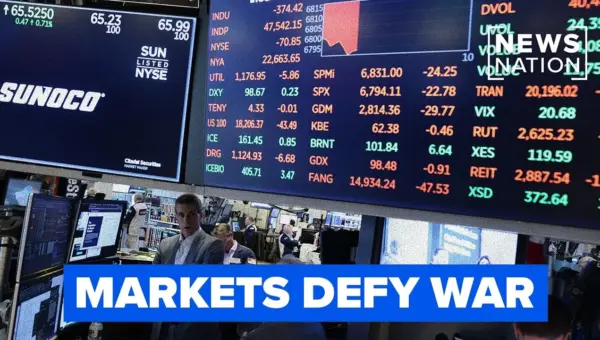
Markets Defy War Fears as Oil Prices Fluctuate
Wall Street rallied and erased Iran war losses as oil prices fluctuated near $100 a barrel. Despite market gains, Americans face higher gas prices, with a U.S. blockade of the Strait of Hormuz potentially worsening inflation. The Producer Price Index report is closely watched for future inflation signals.
US Naval Blockade Forces Iran to Negotiate
The U.S. is using a naval blockade to force Iran to negotiate, targeting oil tankers to disrupt Tehran's revenue. This strategy aims to secure freedom of navigation through the Strait of Hormuz and prevent Iran from developing nuclear weapons. Investors should watch regional stability and oil prices.
Trump Ultimatum: No Deal Without Nuclear Ban
President Trump has issued an ultimatum in Iran negotiations, stating no deal will be reached if Iran pursues nuclear weapons. Meanwhile, domestic policy debates continue over DHS funding, with a reconciliation process being considered for various legislative items. Positive economic news includes a significant rise in average tax refunds, boosting consumer spending.