UNESCO Reports War Damage to Six Historic Sites
UNESCO has reported that at least six historic sites, four in Iran, one in Lebanon, and one in Israel, have sustained damage due to ongoing conflicts. The sites appear to have been affected as collateral damage from nearby military actions. UNESCO is awaiting improved security conditions to conduct on-site damage assessments.


UNESCO Expresses Alarm Over War’s Impact on Cultural Heritage
The United Nations Educational, Scientific and Cultural Organization (UNESCO) has reported damage to at least six significant historic sites due to ongoing conflicts. Four of these sites are located in Iran, with one each in Lebanon and Israel. This news comes as international bodies voice growing concern about the protection of cultural heritage in war zones.
Reports indicate that these sites have suffered damage, often as collateral. This means they were not directly targeted but were affected by nearby military actions. UNESCO is now working to assess the full extent of the harm, but security concerns are delaying on-site inspections.
Iranian Sites Among Those Affected
In Iran, four cultural landmarks have reportedly sustained damage. While specific details about each site are still being gathered, the situation in places like Kalistan highlights the risks. A building next to a palace in Kalistan was hit, indicating how close proximity to military targets can endanger irreplaceable heritage.
UNESCO officials emphasize the need for careful verification once security conditions improve. These on-the-ground assessments are crucial for understanding the damage and planning for any necessary restoration efforts. The agency relies on information from local authorities and international partners during these difficult times.
Broader Implications for Cultural Preservation
The damage to these sites raises serious questions about international efforts to protect cultural heritage during conflicts. UNESCO’s mandate includes safeguarding world heritage, but enforcing these protections in active war zones presents immense challenges. The agency often relies on cooperation from member states and adherence to international conventions like the 1954 Hague Convention for the Protection of Cultural Property in the Event of Armed Conflict.
Cultural heritage sites are not just historical relics; they represent the identity and history of communities and nations. Their destruction can have profound social and psychological impacts, erasing tangible links to the past. Protecting these sites is seen as vital for future generations and for fostering understanding between different cultures.
Challenges in Verification and Assessment
Assessing damage in conflict zones is a complex and often dangerous undertaking. UNESCO’s ability to conduct thorough on-site investigations is directly tied to the security situation on the ground. Until conflict subsides, the agency must rely on preliminary reports and remote sensing data, which may not capture the full picture of the destruction.
The preliminary reports suggest that the damage to the sites in Iran, Lebanon, and Israel has been unintentional. However, UNESCO’s commitment remains to conduct thorough investigations as soon as it is safe to do so. This process will involve expert teams documenting the extent of the damage and recommending appropriate measures for preservation and potential reconstruction.
Looking Ahead: The Path to Recovery
As conflicts continue, the international community faces the ongoing challenge of protecting cultural heritage. UNESCO’s immediate focus will be on gathering more information and preparing for post-conflict assessments. The agency hopes that increased awareness and adherence to international laws will help prevent further damage to the world’s shared history.
The next steps will involve detailed damage assessments once security permits and the potential mobilization of international support for restoration projects. The situation highlights the critical need for safeguarding cultural sites, even amidst widespread conflict.
Source: Iran war prompts UNESCO concern over historic sites (YouTube)

Related Articles


US-Iran War: Secret Talks, Shifting Alliances Emerge
Conflicting reports emerge regarding U.S.-Iran negotiations, with President Trump claiming productive talks while Iran denies any occurred. Regional powers like Pakistan and Turkey are attempting mediation amid escalating tensions and economic fallout. The war's outcome hinges on finding a diplomatic "off-ramp" that addresses security concerns and regional stability.

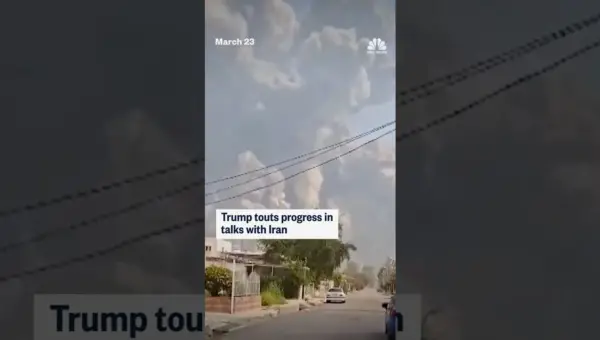
Trump Pauses Iran Strikes Amid Surprise Talks, Hopes for Deal
President Trump has paused planned strikes against Iran, announcing surprise negotiations and "major points of agreement." While Iran disputes direct talks, financial markets reacted positively, with the Dow surging and oil prices falling. Trump suggested a potential deal could involve joint control of the Strait of Hormuz.


Iran Signals Talks Amid Regime Survival Fears
Iran appears to be signaling a willingness to engage in discussions, driven by internal pressures and the need to ensure regime survival. The government may be prepared to make concessions to maintain power amidst perceived threats to its authority. Investors should monitor these developments closely for potential market impacts.