Trump’s War Plans Ignored: Diplomacy Stalls Amidst Mistrust
Recent diplomatic talks between the U.S. and Iran aimed at preventing nuclear proliferation have collapsed, highlighting deep-seated mistrust and conflicting agendas. Despite extensive negotiations and clear U.S. demands, Iran rejected the terms, leaving key regional and security issues unresolved and prolonging instability.

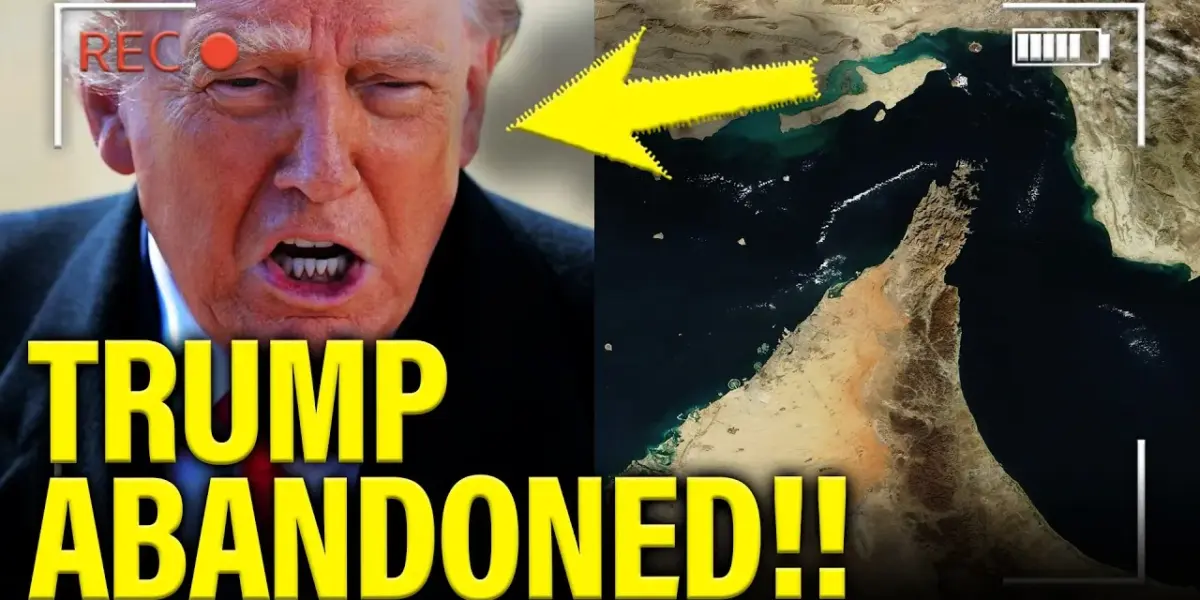
Trump’s War Plans Ignored: Diplomacy Stalls Amidst Mistrust
The United States’ attempt to establish a naval blockade through the Strait of Hormuz, a move proposed by Donald Trump, has been met with widespread disregard. This situation follows the collapse of recent talks between the U.S. and Iran, highlighting a recurring problem in their long-standing dispute. Moments that seem like opportunities for progress often fall apart due to a lack of trust, internal politics, and clashing goals.
A Stalled Negotiation
The latest round of talks, which lasted about 21 hours, ended without an agreement. U.S. Vice President J.D. Vance led the negotiations, reporting that while discussions were meaningful, Iran ultimately rejected the U.S. terms. The main U.S. demand was for Iran to give up any pursuit of nuclear weapons. Vance stated, “We just could not get to a situation where the Iranians were willing to accept our terms.” He added that the U.S. team was flexible and made a good-faith effort, but couldn’t make progress.
For the U.S., stopping Iran from developing nuclear weapons has always been a top priority. Officials repeatedly emphasized that this is a non-negotiable goal. Vance explained that the U.S. wanted clear promises that Iran would not build a nuclear weapon or develop the technology to do so quickly. Despite the U.S. presenting this as a simple and fair request, a significant gap remained between what both sides wanted.
Conflicting Proposals and Shifting Stances
Adding to the difficulty, the U.S. internal approach seemed to change. At first, Donald Trump appeared open to Iran’s 10-point plan, even calling it a possible starting point for talks. This early openness suggested a willingness to explore compromise. However, reports later indicated that after the plan was studied more closely, the administration rejected it, stopping any momentum that had built up.
Iran’s proposal included broad demands beyond nuclear issues. These reportedly called for an end to all hostilities, guarantees against future attacks by the U.S. or its allies, and the removal of economic sanctions. Iran also sought financial compensation for past damages and the withdrawal of U.S. troops from the region. From the U.S. perspective, especially after Trump reviewed the list, these conditions likely seemed too extreme or unrealistic, given the wider geopolitical situation.
The Shadow of Military Tensions
The failure of these talks also happened against a backdrop of ongoing military tensions. The negotiations took place soon after a brief two-week ceasefire. While this pause allowed for dialogue, it didn’t solve the deeper problems, including regional conflicts and mutual distrust. Even as diplomats met, military actions continued, with naval movements in key waterways and ongoing fighting involving regional groups.
This environment makes lasting diplomacy very hard. Both sides face pressure not only from each other but also from their own citizens and allies in the region. For the U.S., taking a strong stance against Iran’s nuclear plans is important for political and strategic reasons. For Iran, showing resistance to outside pressure is equally vital, especially considering its internal politics and history with foreign involvement.
Lack of Consistent Dialogue
Another issue is the absence of steady diplomatic channels between the two countries. Past negotiations, like those for the 2015 nuclear deal, involved long and detailed discussions. The current talks seem more scattered and rushed. Less experienced negotiators on both sides, along with high tensions, may have reduced the chances of a breakthrough. The global situation has also changed significantly since earlier diplomatic efforts, with regional conflicts, economic pressures, and shifting alliances all affecting how both Washington and Tehran approach negotiations.
Iran faces economic difficulties due to sanctions and problems with oil exports. This creates a need for relief but also pushes its leaders to avoid appearing weak. Similarly, U.S. policymakers must balance diplomatic efforts with concerns about security, regional stability, and domestic politics. The breakdown of these talks also shows how difficult it is to align expectations.
Constant Communication, No Agreement
During the 21-hour negotiation, the U.S. team was in constant communication with President Trump and the national security team. “We were talking to the president consistently,” Vance reported. “We obviously also talked to Admiral Cooper, to Pete, to Marco, to the entire national security team.” Despite this constant contact and the team’s belief they were negotiating in good faith, they left with a proposal they called their “final and best offer,” which Iran did not accept.
Each side views its demands as essential, leaving little room for compromise without major concessions. Despite the breakdown, some lower-level discussions may continue. Technical teams from both countries have reportedly stayed in contact, suggesting that some communication lines are still open. This ongoing interaction could form a basis for future negotiations, even if high-level talks have stalled.
Why This Matters
The failure of these talks is significant because it prolongs a dangerous standoff. The lack of an agreement means that key issues, including Iran’s nuclear program, regional conflicts, and economic pressures, remain unresolved. This uncertainty can lead to increased instability in an already volatile region. For the U.S., it means continuing to manage a complex relationship without a clear diplomatic path forward, potentially leading to more assertive or even military actions being considered, as hinted by the blockade proposal.
Future Outlook
Looking ahead, the chances for renewed diplomacy are unclear. The end of this round of talks doesn’t rule out future efforts, but it highlights the significant obstacles that need to be overcome. Any successful negotiation will likely require sustained commitment, clearer understanding of each other’s goals, and possibly a change in the overall political and strategic climate. In the meantime, the stalled talks add to an atmosphere of instability. The absence of an agreement leaves critical issues unresolved, affecting nuclear concerns, regional conflicts, and economic pressures. Ultimately, this situation serves as a strong reminder that diplomacy is not a single event but an ongoing process. It demands patience, flexibility, and the understanding that progress is often slow and gradual.
Source: Trump IGNORED by Nearly EVERYONE in Last-Ditch War Move (YouTube)

Related Articles


Vance Urges Pope to Be Anchored in Truth; Critics Question Trump
Vice President J.D. Vance's call for the Pope to be "anchored in truth" has sparked debate, with critics questioning the consistency of this standard when applied to President Trump. The article examines numerous instances of alleged falsehoods attributed to Trump, suggesting a potential hypocrisy in demanding theological truthfulness from the Pope while overlooking perceived untruths in the White House. The core argument centers on the critical need for truthfulness in leadership, especially for those commanding immense military power.

Greenland’s Leader: Trump’s Threats Make Citizens Unsafe
Greenland's Prime Minister revealed that citizens felt unsafe and angry after then-President Trump's 'threats' to buy the island. The comments highlight the human impact of geopolitical discussions on national sovereignty.
Iran Shuns Trump’s Deal Demands, Escalating Global Tensions
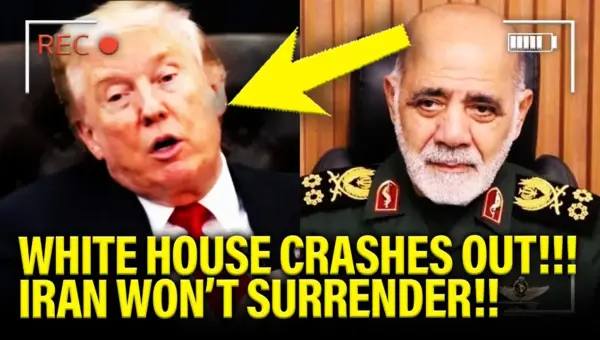
Iran has rejected President Trump's demands in ongoing negotiations, leading to heightened global tensions. Pakistan has stepped in as a mediator amid fears of escalating conflict. Meanwhile, the White House press briefings presented mixed messages on the economy and policy, facing scrutiny over strategy and communication.