Iran Shuns Trump’s Deal Demands, Escalating Global Tensions
Iran has rejected President Trump's demands in ongoing negotiations, leading to heightened global tensions. Pakistan has stepped in as a mediator amid fears of escalating conflict. Meanwhile, the White House press briefings presented mixed messages on the economy and policy, facing scrutiny over strategy and communication.

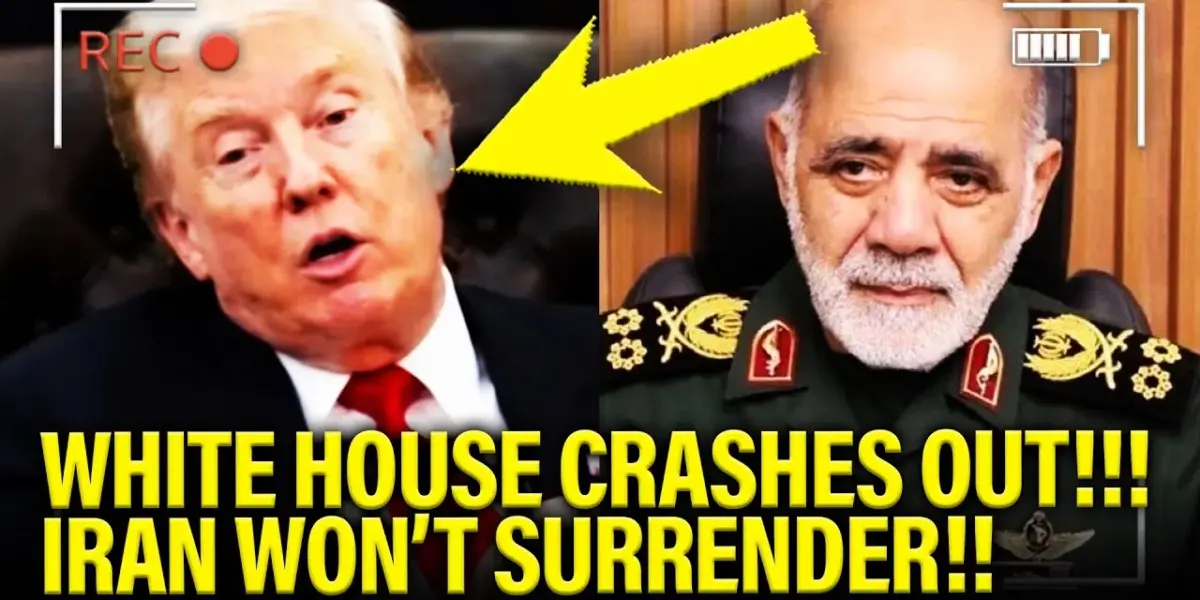
Iran Rejects Trump’s Ultimatum Amidst Diplomatic Stalemate
Negotiations between the Trump administration and Iran have reached a critical point, with Iran publicly refusing to meet the U.S. demands. President Trump has framed the talks as a take-it-or-leave-it situation, demanding Iran accept American terms. However, Iran has consistently pushed back, leading to a public display of defiance that some observers call “mocking” the President.
Pakistan Steps In as Mediator Amidst War Fears
In an effort to de-escalate tensions and avoid further conflict, Pakistan’s army chief, Field Marshal Aim Munir, has become a key mediator. He recently visited Tehran with Pakistan’s interior minister to explore possibilities for an agreement between the U.S. and Iran. Reports suggest that Iran had previously offered a 10-point framework that the Trump administration initially accepted but later sought to alter. The urgency for a diplomatic solution is high, as many fear an escalation of conflict in the region.
The powerful armed forces of Iran will not allow any exports and imports to continue in the Persian Gulf, Gulf of Oman, and Red Sea if the blockade continues. Iran will take powerful action to defend its national sovereignty and interests.
Iran Issues Stern Warning Over Maritime Blockade
Iran’s top military commander issued a stark warning to the United States, stating that Iran’s armed forces would prevent all trade in key waterways if the U.S. blockade persists. He emphasized that any aggressive actions by the U.S. against Iranian commercial ships would be seen as a violation of the ceasefire. This statement highlights Iran’s resolve to protect its national interests and sovereignty amidst the ongoing standoff.
Diplomacy vs. Social Media: A Growing Divide
The communication style of the Trump administration has also become a point of contention. Iranian social media accounts have shared messages suggesting that real diplomacy requires direct engagement, not just social media posts. They’ve highlighted the visit of the Pakistani Field Marshal as a sign of traditional diplomacy, contrasting it with what they perceive as President Trump’s reliance on online pronouncements. A viral meme circulated online, suggesting that Trump’s approach would not lead to a lasting deal.
Questions About U.S. Strategy and Domestic Priorities
Critics question the Trump administration’s strategy, suggesting it lacks a clear plan and instead relies on delaying tactics and hoping for external solutions. There are also concerns about potential distractions from domestic issues, with reports emerging about plans for a potential invasion of Cuba. This raises questions about whether foreign policy actions are being used to divert attention from other unfolding events, such as the Epstein files.
White House Press Conference: Mixed Messages on Economy and Policy
A recent White House press conference featured Treasury Secretary Scott Bessant and communications director Kayleigh McEnany, who presented a mixed message regarding the economy. Bessant spoke of “short-term pain and volatility for long-term gain” concerning economic conditions. He also discussed projected gas prices, suggesting that prices might reach around $3.00 per gallon by the summer, a shift from earlier promises of much lower prices. McEnany announced plans for a large architectural structure in Washington D.C. to celebrate America’s 250th birthday, a project termed the “United States Triumphal Arch.” Bessant also claimed popularity among service workers due to a policy of not taxing tips.
Controversial Statements and Misinformation Claims
During the press conference, a reporter asked about President Trump’s views on diet soda, referencing a comment that it could kill cancer because it kills grass. McEnany dismissed this as a joke and suggested the media should have a better sense of humor. The White House also addressed reports about endorsing a ceasefire extension, labeling such reporting as inaccurate and emphasizing ongoing, productive negotiations. McEnany also touted the administration’s “energy dominance” policies as a reason for lower gas prices, contrasting them with the policies of the previous administration.
Allegations and Distractions Surface
The press conference also touched upon allegations against former Representative Eric Swalwell. McEnany called the accusations “despicable and disgusting” and questioned why other Democrats remained silent for so long. However, the discussion then shifted to the White House’s own controversies, including allegations of a cover-up related to a child sex trafficking ring and the President’s past legal issues. The Treasury Secretary attempted to deflect blame for economic hardship onto the Supreme Court, suggesting that certain funds returning to China could impact the U.S. economy.
Why This Matters
The ongoing tension with Iran, coupled with the White House’s communication strategy and domestic policy pronouncements, presents a complex picture. The refusal of Iran to accept U.S. demands highlights the challenges of international diplomacy under the current administration. The mixed messages on the economy and the focus on symbolic projects like the Triumphal Arch raise questions about the administration’s priorities. Furthermore, the deflection of blame and the resurfacing of controversial topics suggest an attempt to control the narrative amidst significant global and domestic pressures.
Implications and Future Outlook
The situation with Iran could lead to further instability in the Middle East, impacting global energy markets and international relations. The effectiveness of Pakistan’s mediation efforts will be crucial. Domestically, the administration’s economic messaging faces scrutiny, especially as projections for gas prices and overall economic improvement remain uncertain. The focus on non-economic initiatives and the handling of controversies may shape public perception and influence future political discourse.
Historical Context
U.S.-Iran relations have been strained for decades, marked by historical events such as the 1953 coup, the 1979 revolution, and the subsequent hostage crisis. More recently, the Joint Comprehensive Plan of Action (JCPOA), an agreement to curb Iran’s nuclear program, was a significant point of contention, with the U.S. withdrawing from it under the Trump administration. This current standoff is part of a long and complex history of mistrust and conflict between the two nations.
Source: Trump WH CRASHES OUT at PRESSER as IRAN REFUSES DEAL!!!! (YouTube)

Related Articles
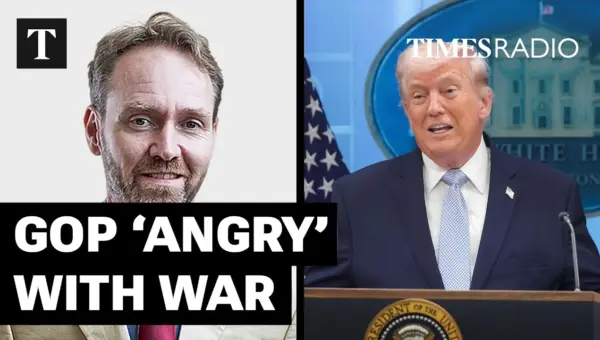
GOP Senators Show Weariness With Trump’s Iran Stance
Republican lawmakers are showing signs of frustration with President Trump's prolonged engagement in Iran. Diplomatic talks continue, with a potential ceasefire extension being considered, while the U.S. bolsters its military presence. Meanwhile, domestic economic pressures and battles with the Federal Reserve chair add to the political complexities.

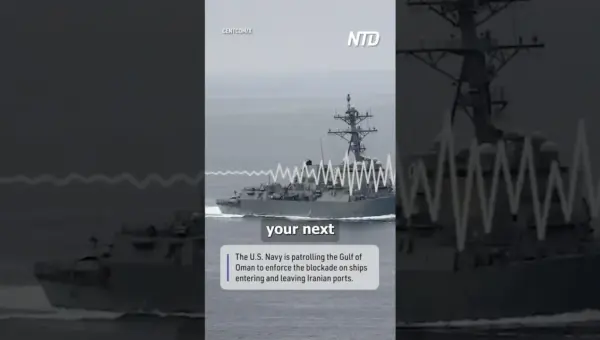
Navy Tightens Grip: US Enforces Strict Blockade on Iran
The US Navy has formally declared a blockade on Iranian ports, warning all vessels to turn back or face boarding and seizure. This significant move aims to exert economic and political pressure on Iran, with explicit threats of force for non-compliance.
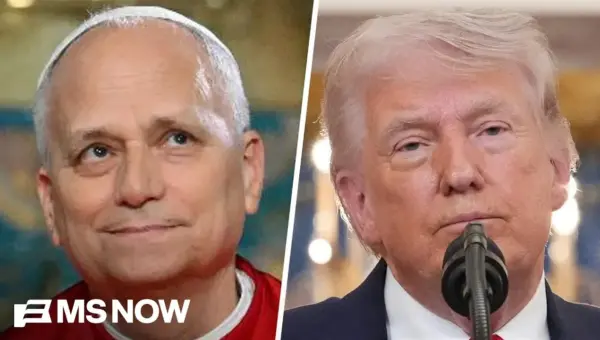
Trump’s Jesus Meme Sparks Outrage Among Religious Supporters
Donald Trump's sharing of a meme depicting him as Jesus Christ has ignited backlash from religious supporters, who also cite his feud with Pope Francis. This has led some to feel "duped," questioning his motives and fitness for leadership.