Trump’s Rambling Rant Exposes War Strategy Failures
Donald Trump's lengthy CNBC interview revealed a pattern of contradictory statements and aggressive rhetoric on foreign policy. His claims about winning wars quickly and his conflicting remarks on Iran negotiations raise concerns about his grasp of complex geopolitical issues.

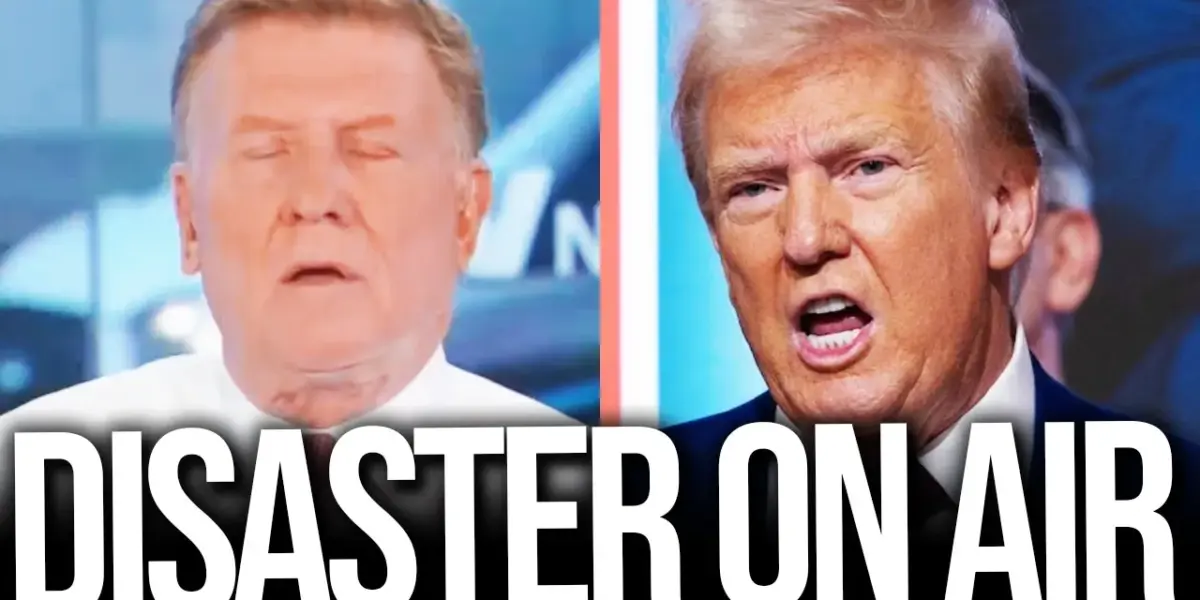
Trump’s Rambling Rant Exposes War Strategy Failures
In a lengthy phone interview with CNBC, former President Donald Trump launched into what observers described as a manic and contradictory tirade. The conversation, which stretched from an initial 20 minutes to a full 40 minutes, touched on various foreign policy issues.
Trump made bold claims about winning wars quickly, even suggesting he could have ended the Vietnam War in about 45 minutes. He also spoke about ongoing negotiations with Iran, offering conflicting statements about their seriousness and desire for a deal.
This interview occurred on a day when critical peace talks were scheduled, with J.D. Vance heading to Pakistan for a second round of negotiations.
The timing suggests Trump may have been attempting to control the narrative surrounding these sensitive discussions. His extended and often erratic comments raised concerns about his understanding of complex geopolitical situations and his ability to act with steady leadership.
Vietnam and War Claims Questioned
One of Trump’s most striking claims was his assertion that he could have won the Vietnam War in under an hour. He compared it to his handling of Venezuela, which he said he took over in 45 minutes.
This statement drew sharp criticism, with many pointing out that Trump was alive and of draft age during the Vietnam War but did not serve. Critics argue that leaders who send others to war should understand the stakes involved.
The idea that Trump could have ended major conflicts quickly is seen as absurd by many. His supporters often point to his business background as evidence of his ability to close deals efficiently. However, his critics argue that war and international diplomacy are far more complex than business negotiations, requiring nuanced understanding and a steady hand, not just aggressive pronouncements.
Iran Negotiations and Contradictory Statements
The interview also heavily featured Trump’s remarks on the Iran negotiations, a topic particularly sensitive given J.D. Vance’s ongoing diplomatic mission.
Trump claimed Iran was begging for a deal and that a deal was imminent, while also stating they were not taking the situation seriously enough. This mix of messages created confusion about the actual status of the talks.
Adding to the confusion, Trump made repeated claims about crippling Iran’s navy and air force. However, reports indicate that Iran’s conventional navy is outdated, and its primary threat comes from the IRGC Navy, which uses drones and missiles. This naval force has been effective in threatening the Strait of Hormuz, a vital shipping lane, demonstrating that Trump’s actions may not have achieved the desired outcome of securing the strait.
The Strait of Hormuz Dispute
Trump declared the Strait of Hormuz open, but shortly after his announcement, reports indicated it remained closed or dangerous for shipping. Iran’s ability to threaten passage through the strait, even without direct confrontation, has a significant economic impact. The threat of damage to oil tankers, leading to costly cleanup operations, is enough to deter many vessels.
The situation highlights a potential disconnect between Trump’s pronouncements and the reality on the ground. Critics suggest that his administration may have been outmaneuvered, and that Iran’s control over the strait, even through indirect threats, continues to pose a significant challenge. This highlights the complex nature of controlling vital waterways and the limitations of conventional military power against asymmetric threats.
Economic Claims and Inflation Debate
The conversation also veered into economic matters, specifically inflation rates during the Biden and Trump administrations. Trump insisted that inflation was higher when Biden left office than it is now, a claim disputed by the transcript’s narrator. The narrator stated inflation was around 2.9% or 3% when Biden left office and began to rise later.
Trump later suggested that inflation started falling after he won the election in November, implying his victory alone influenced economic trends. This economic back-and-forth highlights differing interpretations of economic data and the potential for political figures to shape narratives around economic performance. The accuracy of economic figures is often a point of contention during political campaigns.
Threats and Escalation Concerns
The interview touched on potential military actions, with Trump stating he “expects to be bombing” if a deal isn’t reached. This suggests a willingness to escalate conflict, a stance that troubles many observers. The narrator expressed concern over this aggressive posture, viewing it as a desire to de-escalate rather than escalate.
Trump also made comments about targeting bridges and the electric grid in Iran, framing it as a military necessity. When pushed on whether this would harm civilians, he suggested it would also hurt Iran militarily. This exchange raised questions about the ethical considerations of such actions and whether they constitute war crimes, a topic that the interviewer offered a weak challenge on.
Personal Attacks and Political Rhetoric
Throughout the interview, Trump employed personal attacks against political opponents. He referred to Representative Hakeem Jeffries as a “low IQ guy” and called Senator Chuck Schumer a “traitor” for opposing the war. This kind of rhetoric is often seen as a tactic to distract from substantive policy discussions and rally a base.
The use of such language, particularly when directed at minority politicians, has drawn criticism for being divisive and potentially inflammatory. The narrator argues that these attacks are a distraction from legitimate concerns about the constitutionality and decision-making behind the war, rather than a valid counter-argument.
Why This Matters
This interview is significant because it occurred on a critical day for international diplomacy and revealed a pattern of communication that many find concerning. Trump’s contradictory statements, aggressive rhetoric, and historical claims suggest a leadership style that prioritizes narrative control over clear, steady diplomacy.
The implications extend to how potential conflicts are managed and how international relations are conducted. A leader’s words can have profound effects on global stability, and the apparent lack of a coherent strategy or factual basis in Trump’s statements raises questions about his suitability for high-stakes decision-making. His approach suggests a willingness to use threats and bluster as primary tools, potentially leading to unintended escalation or diplomatic failures.
Trends and Future Outlook
The incident highlights a trend of political figures using media interviews to project strength and control narratives, especially during sensitive geopolitical moments. Trump’s extended, unscripted phone call suggests a desire to bypass traditional filters and speak directly, albeit in a way that critics argue is self-serving and damaging.
Looking ahead, the way leaders communicate about foreign policy and conflict will remain crucial. The reliance on strongman rhetoric and claims of quick, decisive victories may appeal to some, but it risks overlooking the complexities and long-term consequences of international engagement. The future may see continued debate over the balance between assertive leadership and thoughtful, evidence-based diplomacy.
Historical Context
The discussion of the Vietnam War and its lengthy duration is a clear reminder of the challenges of prolonged military engagements. The contrast between Trump’s 45-minute hypothetical victory and the actual 19-year conflict highlights the difference between political rhetoric and the harsh realities of war.
Similarly, the ongoing tensions with Iran and the strategic importance of the Strait of Hormuz have deep historical roots. The region has been a focal point of international conflict and strategic competition for decades. Understanding this history is key to appreciating the delicate balance of power and the potential consequences of aggressive posturing in the Middle East.
The interview concluded with Trump expressing his willingness to extend the interview, showcasing a desire for continued public engagement. This occurred as J.D. Vance was en route to Pakistan for crucial peace talks, emphasizing the high stakes of the moment.
Source: Trump Suffers Demented Meltdown as War Backfires (YouTube)

Related Articles
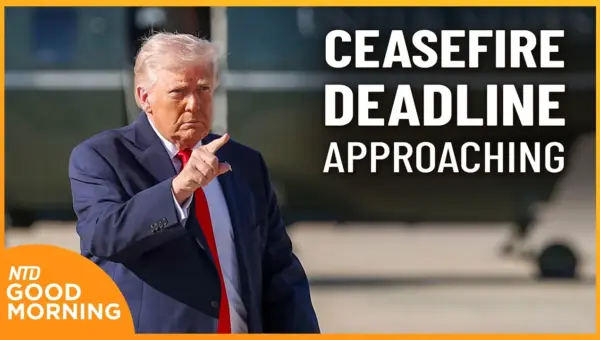
Iran Ceasefire Deadline Looms Amid US Pressure and Nuclear Concerns
The US-Iran ceasefire is nearing its expiration, with President Trump accusing Iran of multiple violations. Tensions are high as the US maintains a naval blockade and extends pressure globally. Meanwhile, Texas is suing ActBlue over alleged fraudulent donations, and Canada is addressing alleged CCP transnational repression targeting Falun Gong practitioners.
Obama’s Redistricting Push Fuels Trump’s Impeachment Fears
Former President Barack Obama's support for a Virginia redistricting referendum has ignited fears in Donald Trump, who believes it's a plot to impeach him. The Virginia measure aims to create a significant Democratic advantage in congressional districts. Trump views this as a direct attack, while Obama's campaign calls it a necessary step to level the electoral playing field.

Macron Pushes Hungary on Ukraine Aid Amidst Shifting Alliances
French President Macron urges Hungary to approve a 90 billion euro loan for Ukraine, while President Zelenskyy questions reliance on Trump for peace. Ukraine is preparing updated security guarantees amid rejected Russian ultimatums and high war costs. Geopolitical tensions also rise with concerns over Iran and the Strait of Hormuz.